



How Akshaya Chaitanya addresses hunger among urban poor through its meal initiative
A sister initiative of the Akshaya Patra Foundation, which is known for its role in the central government’s midday meal programme, Akshaya Chaitanya was established to cater to urban populations that fall outside conventional welfare schemes.


Amid rising urban migration and widening food insecurity, Akshaya Chaitanya, an initiative by the HKM Foundation, is addressing a growing but often overlooked issue—hunger among the urban poor.
A sister initiative of the Akshaya Patra Foundation, which is known for its role in the central government’s midday meal programme, Akshaya Chaitanya was established to cater to urban populations that fall outside conventional welfare schemes.
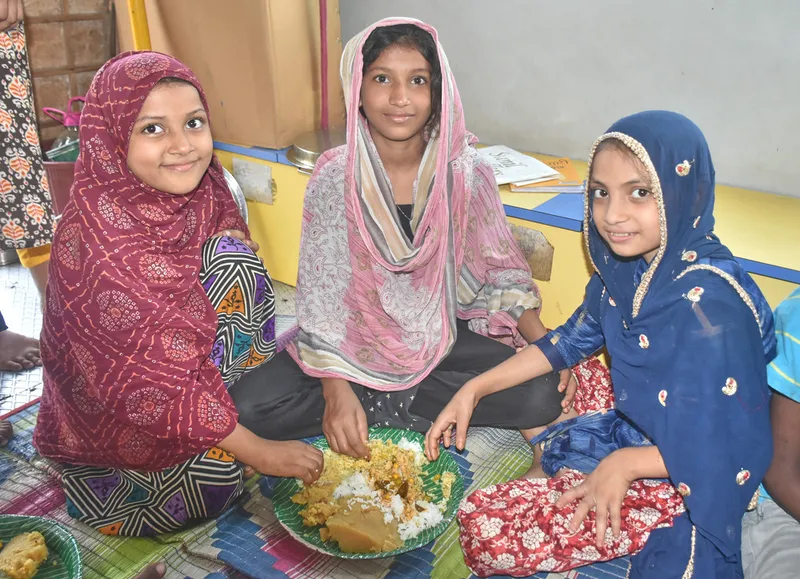
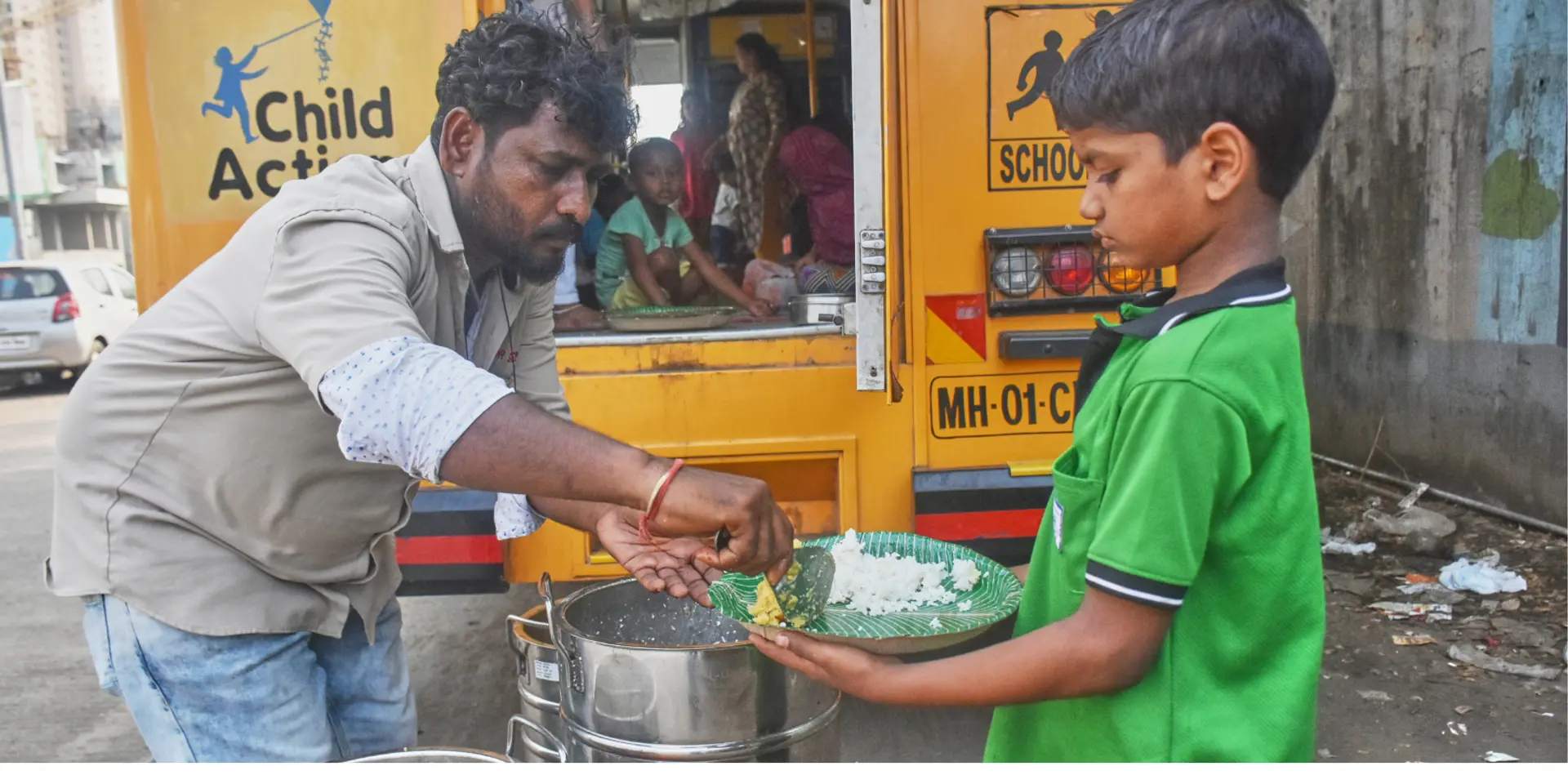
In Mumbai, the initiative runs Swasthya Ahaar for families of cancer care patients in government hospitals, Paushtik Ahara for children from sections not covered under existing government meal schemes, and Bal Shiksha Ahara, which supports the children of migrant workers through food-based incentives tied to informal education efforts in slum areas.
Founded in 2011 and formally registered as a trust, Akshaya Chaitanya began with cancer care hospitals in Hyderabad. The idea was to assist patients and their families, many of whom had travelled from rural areas for treatment and found themselves struggling for basic needs such as food.
Over time, the initiative expanded to 20 hospitals across Hyderabad. Its growing presence caught the attention of the Telangana government, which invited the organisation to scale up its efforts further. In 2016, Akshaya Chaitanya received a mandate to implement the Annapoorna Scheme in Telangana.
The Annapoorna Scheme is a government-run food security initiative that provides free cooked meals to poor and needy individuals, especially in hospitals and urban areas. It aims to combat hunger among vulnerable populations, particularly patients’ families, migrant workers, and the elderly, through partnerships with NGOs and community kitchens. The programme benefits 50,000 people a day in Telangana.
Four years ago, Akshaya Chaitanya took the programme to Mumbai as well.
“In the last decade, we have seen urban migration increase, especially in cities like Mumbai and Delhi,” says Vikas Parchannda, CEO, Akshaya Chaitanya. “People come here seeking jobs or healthcare but often have no shelter or source of income in the initial weeks. Our work is to provide that basic hand-holding through food.”
In Mumbai, the initiative runs three key programmes: Swasthya Ahaar for families of cancer care patients in government hospitals, Paushtik Ahara for children from sections not covered under existing government meal schemes, and Bal Shiksha Ahara, which supports the children of migrant workers through food-based incentives tied to informal education efforts in slum areas.
Today, Akshaya Chaitanya provides around 16,000 meals every day in Mumbai. In schools, it provides breakfast and lunch, while in hospitals, it offers breakfast, lunch and dinners. In slum areas, breakfast is given to children.
Akshaya Chaitanya aims to cater to over 50 hospitals and 70,0000 children of balwadis studying in grades 9 and 10 in the city. It plans to do so by scaling up to 1 lakh meals a day.
Impact of the scheme
One of the beneficiaries of Akshaya Chaitanya’s meal scheme is Janki Devi, a 60-year-old woman from Allahabad who has been struggling to support her son who is unwell.
“These meals have been a lifeline. I don’t have to worry about how I would eat each day. It gives me strength to carry on for my son,” she says.
Janki has multiple jobs and has to walk several miles every day. She depends on Swasthya Ahaar during her challenging period with her son, who is undergoing treatment at Nair Hospital, Mumbai.
Sakaram Maruti Volanskar is a 45-year-old office assistant from Kalyan. A road accident left him hospitalised, with metal rods in his leg. His wife and daughter stayed with him for nearly a month during his recovery.
“For 24 days, they ate because of the generosity of others,” Sakaram recalls. “Akshaya Chaitanya fed them when I couldn’t. That meant everything.”
During the second wave of COVID-19 in 2021, Akshaya Chaitanya expanded operations to Mumbai, providing meals to hospitals. In Telangana, during the pandemic, the organisation served three meals a day to nearly one lakh people with the support of the state government.
“In Telangana, we had consistent support from the government from the beginning,” says Parchannda. “In Maharashtra, we rely more on contributions from corporates and individuals. Scaling here is a challenge because of the sheer population and the high costs involved.”
The organisation operates through centralised kitchens—five in Telangana and eight in Andhra Pradesh. It makes efforts to prepare meals that suit regional food preferences. It has also started operations in Ahmedabad in a small way and is planning to expand into Delhi.
Looking ahead, Akshaya Chaitanya hopes to address food security for other groups as well, such as the elderly in shelter homes. It has already started this initiative in Mumbai, serving about 400 beneficiaries every day.
“Our aim is to address food insecurity in a way that supports broader issues like education and healthcare,” says Parchannda. “When a child is fed, they can focus better in class. When a family member gets a hot meal, they can focus on caring for the patient.”
Edited by Swetha Kannan