



Meet Nasar Thootha, who runs a ‘Dress Bank’ to provide bridal outfits to underprivileged brides
Nasar Thootha from Kerala’s Malappuram district runs a Dress Bank that provides bridal outfits to underprivileged women across India. His initiative has helped over a thousand families.

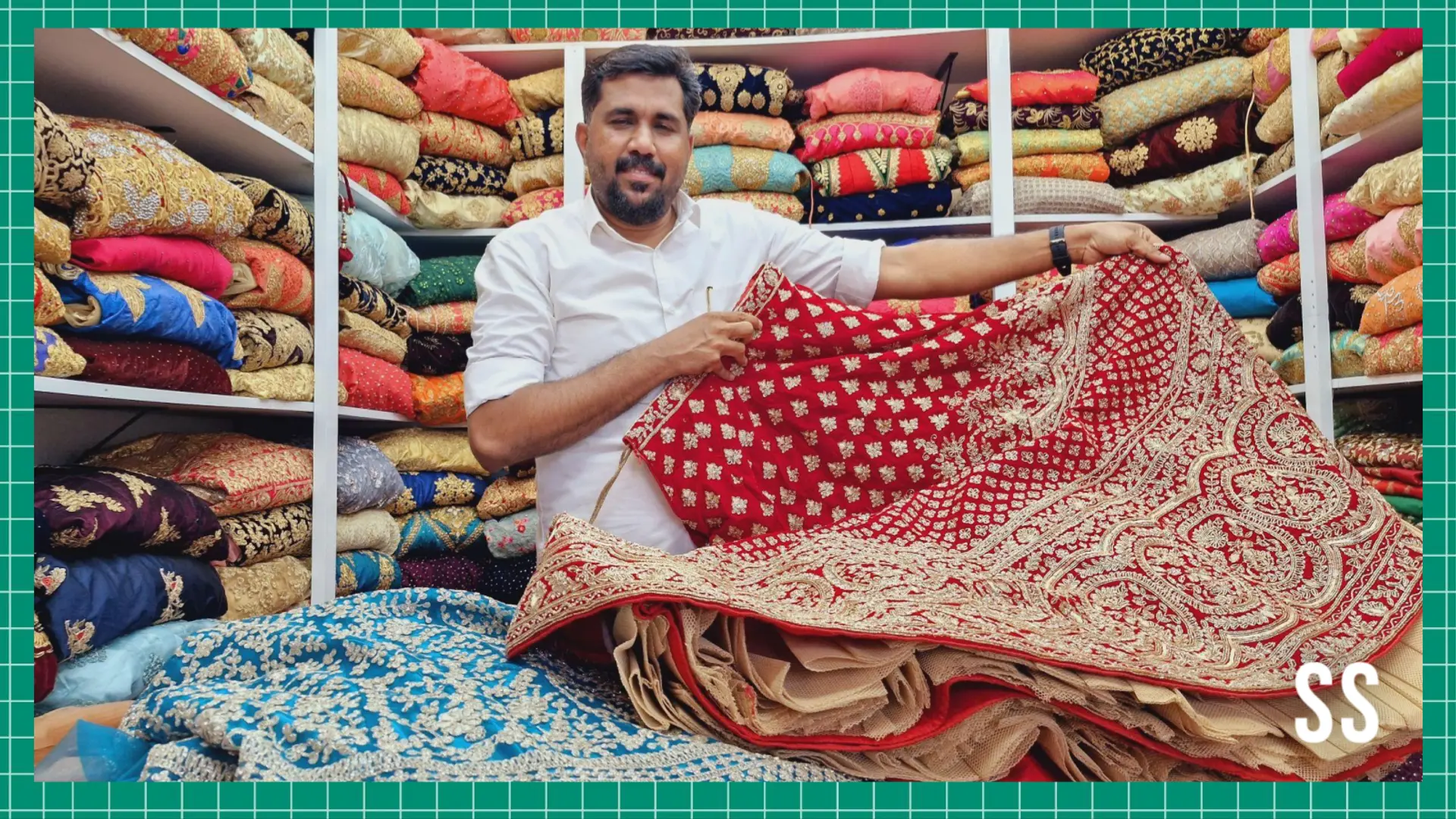

In Thootha, a village in Kerala’s Malappuram district, one man’s steadfast mission has given 1,028 families wedding cheer by dressing their brides in resplendent bridal wear.
For the past five years, Nasar Thootha has been running the Nasar Thootha Dress Bank, a community-driven initiative that provides free bridal wear to underprivileged women across India.
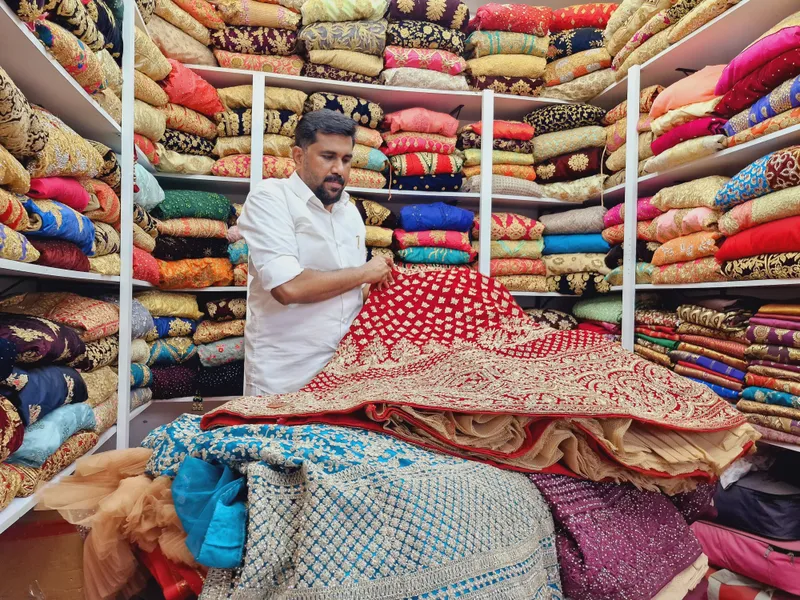
Nasar Thootha
Nasar collects, dry cleans, and distributes wedding outfits to brides who cannot afford them.
The Dress Bank is not the only initiative Nasar is involved in. From an early age, he watched his mother extend help to anyone in need—a quiet influence that shaped his lifelong commitment to service.
“I grew up watching my mother help people, even when we had very little ourselves. That stayed with me. This isn’t charity; it’s just doing what’s right,” he tells SocialStory.
After spending 10 years in Saudi Arabia as a migrant worker, he returned to his hometown in 2012 wanting to do something meaningful. “With a circle of friends who believed in a social purpose, I started helping families in small ways—collecting rice for weddings and helping the homeless regain a sense of dignity,” he says.
Soon, he opened a small garments shop, Gents World, and drove a taxi. While driving his taxi, he would stop whenever he saw homeless men on the streets. He’d offer them a bath, a shave, and food, and help them find places in shelter homes. He has assisted over 100 individuals in the past decade.
Stitching dignity into weddings
While helping out at weddings, Nasar saw how difficult it was for low-income families to buy bridal dresses, as most were out of their budget. Some of them even asked if he could arrange for them, but he didn’t have the funds to buy bridalwear.
This simple observation led to the birth of his most impactful project.
“We realised that people had wedding dresses worth thousands of rupees just locked away in their wardrobes. These were beautiful outfits, barely used, gathering dust. I thought, what if we could collect and share them?” he says.
This was in 2020, and Nasar wasn’t familiar with Facebook. With a friend’s help, he posted an appeal online, asking people to donate their bridal outfits. The response was modest at first but soon, the idea caught on. Donations started coming in, first from nearby towns, then across districts, and eventually from across the country.
“We gave away the first wedding dress to a family in Palakkad. The news spread, and we were covered by the local newspapers, following which a lot of people came forward to contribute,” he adds.
Initially, Nasar stocked the dresses at home, and his family helped him in his efforts. Later, he formalised the initiative as a Dress Bank by renting a room at the Thootha High School, where hundreds of sarees, salwar sets, and wedding gowns—dry-cleaned and sorted—are displayed for families to sort through.
Nasar says these outfits are valued somewhere between Rs 6,000 – Rs 60,000. People also call or message him their requirements, after which he sends them images to select from and these outfits are couriered to deserving brides.
“We don’t sell anything. Everything is free. We never give second-hand treatment to anyone—we give them choice and dignity,” he adds.
The Dress Bank also received wide attention and press coverage from channels like the BBC and mainstream media, including the top national newspapers. This led to widespread contributions from states like Maharashtra, Telangana, Gujarat, West Bengal, Karnataka, and more.
In the beginning, Nasar offered bridal outfits to whoever asked for them. However, he felt it was not right, and some form of referral should be added to the process.
Referrals to the Dress Bank are simple. A letter from a local community leader, mosque, temple, or church is enough to qualify someone.
“We trust people. We just ask them not to misuse our beliefs. In some cases, even this formality is waived. There are people with pride, who hesitate to ask for help. We try to read between the lines,” he says.
Not just clothes but compassion
Once these bridal outfits are given away, Nasar is adamant about maintaining the dignity and privacy of the families who seek help.
“We don’t ask for photos of the wedding. If people send pictures of the brides wearing the outfits, we accept them. But it’s not conditional, because this isn’t about publicity, it’s about people. We just maintain a register of those who have contributed and those who requested the outfits,” he shares.
In the same vein, he also reiterates there is no compulsion to return these outfits. “They can keep them if they want to. If they return them, they are again dry-cleaned and kept in stock. They can also pass it on to others who may need them,” he says.
He recollects a powerful moment in his journey of five years when two blind individuals (bride and groom) visited the Dress Bank.
“I watched them feel the fabrics with their hands, carefully selecting the designs they couldn’t see but could sense. This incident moved me deeply and reminded me that beauty and dignity go far beyond sight.”
Apart from the Dress Bank, Nasar also runs a free ambulance service. He has also arranged for wheelchairs, cots, water beds, and air beds to be disbursed to the disabled.
He has reduced his taxi trips to help his friend on a real estate project in Wayanad.
The Dress Bank recently completed its fifth year of operations with a grand celebration attended by local politicians, actors, and Kerala sports minister V. Abdurahiman.
“Currently, we have around 1,000 outfits in stock. Going forward, I also want to provide accessories to the brides. This will require at least Rs 3 lakh. I hope I can find sponsors for this, too!” he concludes.
(The story has been updated to correct a typo.)
Edited by Suman Singh