



TN forest department revives mangroves along Chennai's Buckingham Canal
Once choked by invasive Prosopis juliflora, the site near Kazhipattur now boasts over 12,000 saplings from six salt-tolerant mangrove species.

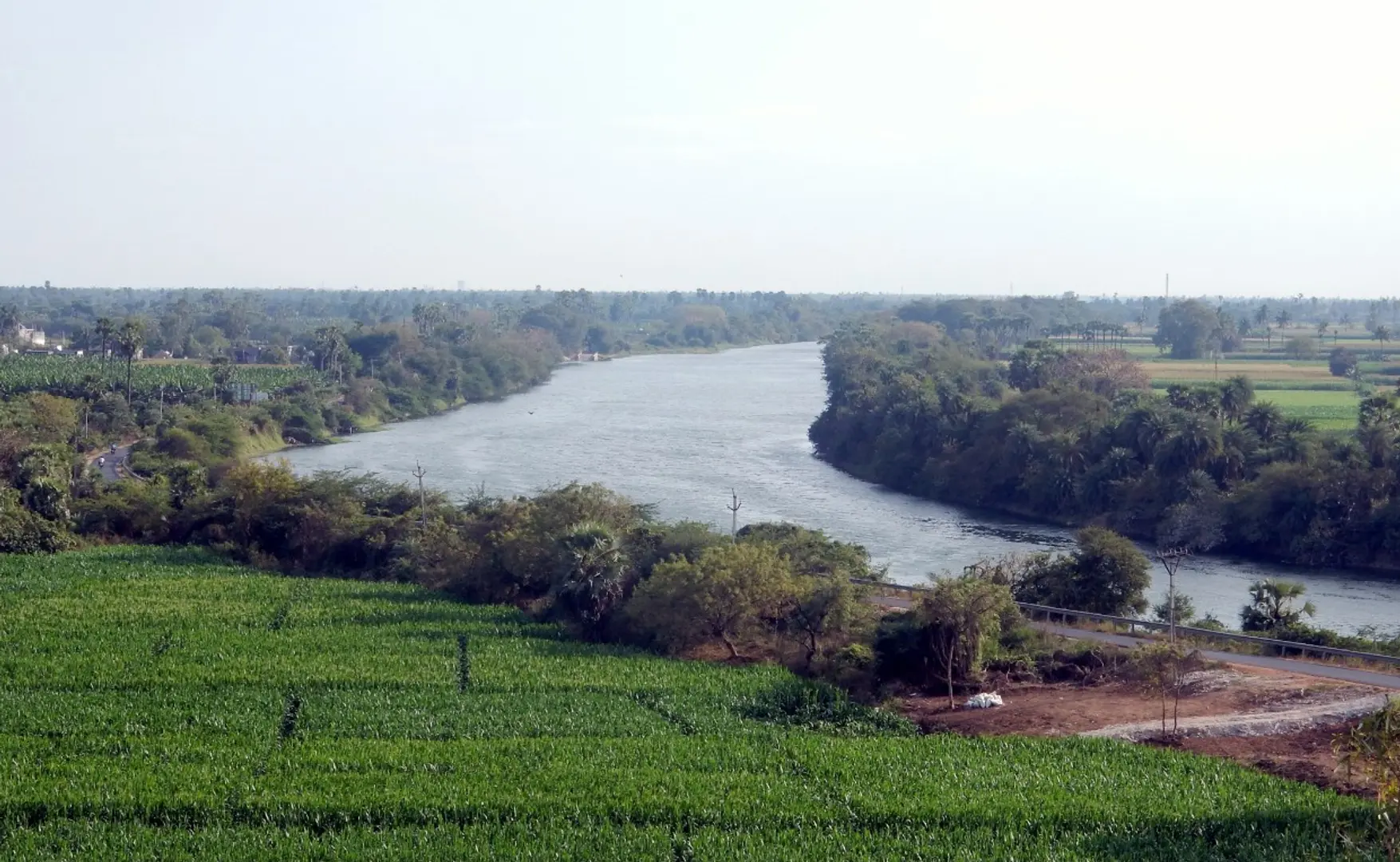

A neglected stretch of Buckingham Canal along Chennai’s East Coast Road is undergoing ecological restoration, thanks to a new initiative by the Tamil Nadu Forest Department under the Green Tamil Nadu Mission. Once overrun by the invasive Prosopis juliflora, the site near Kazhipattur now hosts a thriving belt of native mangrove species, says a report by The Hindu.
According to Supriya Sahu, Additional Chief Secretary for Environment, Climate Change, and Forests, 12,500 saplings from five different mangrove species were planted last year, with the goal of reviving local biodiversity and bolstering natural defences against coastal threats.
To ensure mangroves receive the saline water they need to thrive, the site was equipped with a network of 87 tidal channels, each measuring three metres wide and one metre deep. This was complemented by a “fish bone” layout—seven main feeder canals branching into 80 smaller distribution canals. This system carefully manages tidal water flow across the plantation, creating the optimal conditions for mangrove growth.
The Buckingham Canal, stretching 796 kilometers along the Coromandel Coast from Kakinada in Andhra Pradesh to Parangipettai near Chidambaram in Tamil Nadu, has historically served as a vital waterway. However, over the years, it has suffered from pollution and neglect. The current restoration efforts aim to revive the canal's ecological health and reintegrate it into the city's landscape.
Mangroves serve as natural barriers, protecting coastlines from erosion and storm surges. Their dense root systems stabilise sediments and reduce wave energy, safeguarding coastal communities and infrastructure.
Additionally, mangroves sequester nearly three times the carbon of tropical forests.
Environmental experts note that mangroves can serve as crucial carbon sinks and buffers against flooding—making them vital in urban planning amid intensifying climate events. Authorities also plan to enhance public engagement by integrating walking trails and eco-parks along the rejuvenated stretches.
Edited by Affirunisa Kankudti