



This homegrown adaptive clothing brand brings dignity and comfort to people with mobility needs
Haxor is an adaptive clothing brand founded by Kkanchan Gupta. It ensures dignity, comfort and independence for the elderly, people with disabilities, and those battling critical illnesses.

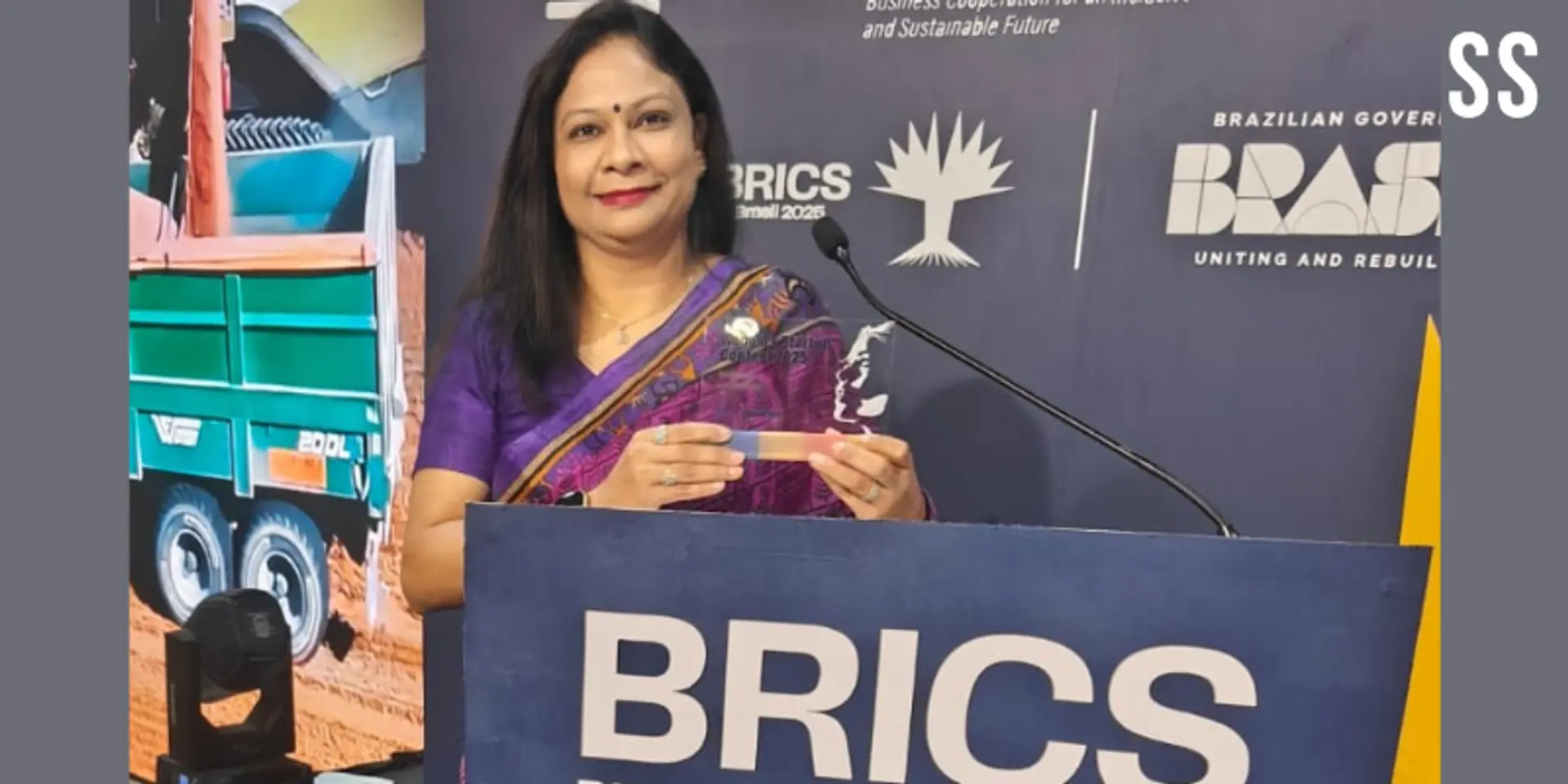

Despite spending a decade in the fashion industry, Kkanchan Gupta couldn’t find a single piece of clothing suitable for her mother, who was battling lung cancer.
“Following rounds of chemotherapy, my mother found it difficult to move her shoulders. Wearing clothes became an ordeal. I was surrounded by warehouses full of garments. But I couldn’t find a t-shirt, top or kurti that would be comfortable for my mum,” recalls Gupta.
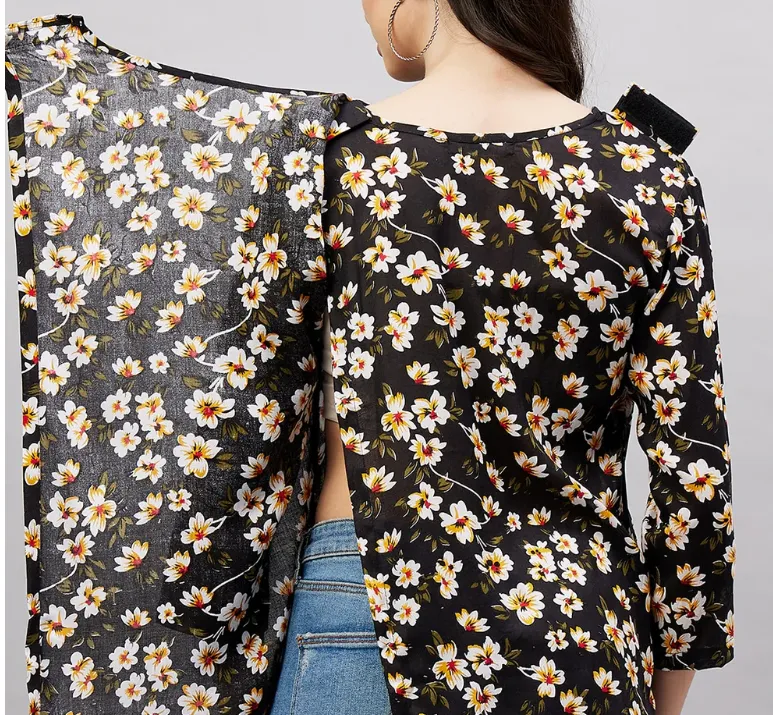
Open back top
This moment of helplessness led Gupta to research adaptive clothing options that would offer dignity and functionality for persons with disabilities and the elderly.
After two years of research, she launched Haxor, a sustainable adaptive clothing brand, in January this year. This month, Gupta was declared one of the 18 global winners of the prestigious BRICS Women’s Startups Contest 2025. Haxor was chosen from over a thousand entries, representing 21 countries.
Functional and dignified clothing
An economics graduate with an MBA in marketing and entrepreneurial training from IIM Bangalore, Gupta had climbed the corporate ladder in fashion retail. Her career includes stints as country manager at SFIPL (Ford Station India, master franchisee for Nike Dockers) and founding team member at babyoi.com (India's first baby website).
Using her knowledge and training, she designed a top and a kurti for her mother, who, unfortunately, passed away before she could use them.
Gupta gets emotional as she describes the process. “I had designed 2-3 pieces of functional clothing, inspired by styles I’d seen on some US websites. I was grieving, so I decided to donate them to a hospital,” she recalls in a conversation with SocialStory. She took them to the a cancer centre in Haryana, gave them to a few patients, and left—only to receive more requests soon after.
“That’s when I realised how many people actually needed functional clothing. I continued my research, sourced samples from the US, and adapted my designs to better suit India’s climate while making sure that they were affordable,” she adds.
She conceptualised clothing for people living with 11 medical conditions—stroke, Parkinson’s disease, arthritis, multiple sclerosis, cerebral palsy, Alzheimer’s disease, dementia, spinal cord injury, amputations, cancer, obesity, and lymphedema.
“My first initiative focused on helping arthritis patients, who often struggle with buttons and zippers. I created clothing that eliminates buttons and zippers altogether, using alternatives like pull-up styles, velcro, and magnetic closures instead, without compromising on style,” Gupta elaborates.
For wheelchair users, she has designed open-back t-shirts and open-back trousers. She has also included traditional Indian wear into her clothing range.
While visiting a spinal rehabilitation centre, Gupta met a young man who asked if she could design a pair of jeans for him. “He used a prosthetic and couldn’t wear regular jeans. I took it as a challenge and started by choosing fabric that was strong yet breathable, so the jeans would be comfortable and practical for people using any type of prosthetic,” she narrates.
Education and awareness are important

Open back trouser
Gupta’s design philosophy is also innovative. She launched the "Chairman's Club" collection that features gold colours and bright prints, challenging societal expectations about ageing and illness.
"I want to convey that ageing doesn't mean you have to fade away and shift to pastels. You have to carry your style," she declares. Her approach combines adaptive fashion that prioritises dignity alongside functionality.
Despite adaptive clothing being labelled as a "niche market," Gupta argues that adaptive clothing addresses a universal need. "This is not a niche market; every home may have one person who needs it. We are considering it niche because it has not yet been created. Being a pioneer, there is always a cost to it."
With an estimated 10% of India's population currently being senior citizens, a figure set to double by 2050, the market potential is huge. Yet, as Gupta points out, "There is not much focus on elderly, geriatric patients or people with disabilities in India right now."
Haxor hires interns from NIFT and designers for projects. It sells through both traditional retail and digital platforms and has secured partnerships with major players like Myntra and 1MG to open a dedicated category for adaptive clothing. All its functional clothing is available on its website.
Gupta believes “education is an important marketing strategy.” Through social media storytelling, video tutorials, and demonstrations, Haxor is building awareness in an underserved market.
Interestingly, Gupta has found a customer base in the global Indian diaspora whose elderly parents stay in India.
“They have seen adaptive clothing in the US. Now, since it’s available in India, they want to send it to their parents,” she shares.
Starting in the US and soon expanding to the UAE, with Europe next, Haxor aims to position itself as India’s answer to global adaptive fashion brands such as Silverts, Buck & Buck, and Tommy Adaptive.
Despite the challenges of building a market from scratch, Gupta says Haxor is showing impressive growth numbers. It processed over 10,000 orders last month and 7,000 in May. At Rs 699-799 per garment, she wants to ensure affordability along with accessibility.
Where empathy meets innovation
Gupta emphasises that Haxor is rooted in a definitive philosophy, where empathy meets innovation.
"Sympathy is something which you can give to anyone. Empathy is something which you have realised. Because I have gone through it, I am creating something out of empathy, not sympathy."
This empathy-driven approach has resulted in positive customer feedback. “People are very happy with our products, and we are getting a blessing with every purchase. But a lot of them are last-minute orders, and we are trying to work around shipping times,” she says.
Gupta's vision extends beyond clothing. Through her foundation, the Senior Citizens Forum of India, which has two lakh senior citizens as members, she organises wellness seminars and advocates for systematic change in how India approaches ageing.
"My big mission is an age-friendly India. I am working on it. I am trying to make a system where after 60, you start living for yourself instead of relying on other people, “ she says.
Haxor faces the usual startup challenges that include funding constraints, market education needs, and supply chain complexities. A recent term sheet from an investor and a Rs 5 lakh government grant have provided some relief for the bootstrapped company.
Her future plans include expanding into footwear and AI-enabled wearables. "I want Haxor to become a Rs 100-crore brand in the next three years. I want to come up with products that will solve the bigger issues of senior citizens,” she concludes.
Edited by Kanishk Singh