



Why human milk banks are critical to reduce infant mortality in India
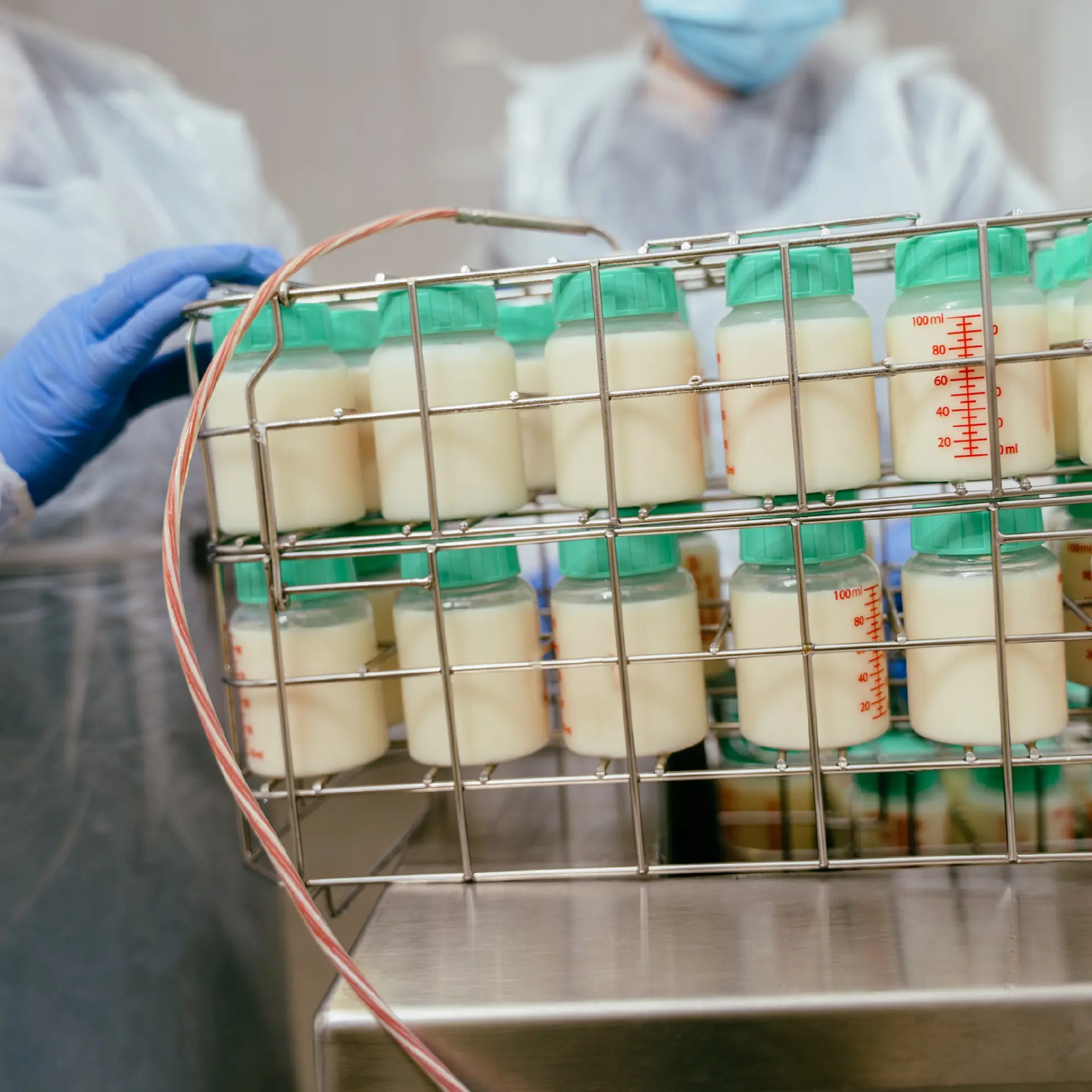
Human milk banks are a lifeline, stepping in to provide nutrition to babies who need it the most. Women should be made aware of the power of donating human milk, and more milk banks must be established for this purpose.


Ace badminton player Jwala Gutta has received praise for donating 30 litres of breast milk so far to a government hospital as a donor. Gutta gave birth to her second child, a daughter, in April.
Earlier, in August, she had posted on her X handle, "Breast milk saves lives. For premature and sick babies, donor milk can be life-changing. If you're able to donate, you could be a hero to a family in need. Learn more, share the word, and support milk banks!"
Gutta’s contribution has stirred an important conversation on the importance of donating breast milk to save fragile human lives. Donor breast milk helps thousands of pre-term, low-birth-weight babies every year when the mothers are unable to lactate due to various health complications. Human milk banks are a lifeline, stepping in to provide nutrition to babies who need it the most.
The first human milk bank in India was started at Sion Hospital in 1989 in Mumbai. As per the Human Milk Banking Association of India, there are 125 human milk banks in India that are run by government bodies, hospitals, and NGOs, after following strict protocols for donor screening and milk safety. The benefits of breastfeeding and human milk are well-documented. It boosts immunity, provides balanced nutrition and protects newborns against infections.
In 2017, the Ministry of Health and Family Welfare issued the National Guidelines on Lactation Management Centres (LMCs), thereby introducing a three-tiered system:
- Comprehensive Lactation Management Centres (CLMCs): in tertiary hospitals, with pasteurisation units and full milk bank facilities.
- Lactation Management Units (LMUs): in district hospitals, for smaller-scale milk collection and storage.
- Lactation Support Units (LSUs): in community health centres, focused on counselling and breastfeeding support.
These will provide comprehensive lactation support to mothers, both those who are unable to breastfeed immediately and those requiring assistance over time.
Many government hospitals like Lady Hardinge Medical College (Delhi) and AIIMS campuses in Jodhpur, Bhopal, and Bhubaneswar have established milk banks under this framework. States such as Tamil Nadu, Maharashtra, and Rajasthan have also invested in scaling up donor milk facilities within their medical colleges. This also ties in directly with the National Health Mission’s initiative to reduce the Infant Mortality Rate, which currently stands at 25 deaths per 1,000 live births.
For milk banking to work, there must be awareness at all levels. Milk banks must not be restricted to urban areas but cover rural health centres too.
Mothers need to know that donating milk is safe, dignified, and life-saving. Gutta’s donation has normalised the conversation and will hopefully convince more women to step forward. For this, more milk banks have to be established, integrated into neonatal care, and the process has to be made simpler and stigma-free.
Edited by Jyoti Narayan