



As Kerala ages rapidly, state-led interventions are important to make the elderly feel supported and cared for
In the coming decade, one in every four Keralites will become a senior citizen. While the state government has introduced a slew of measures to address this challenge, a lot hinges on how they are implemented so that Kerala’s older citizens live with rights, dignity, and social justice.

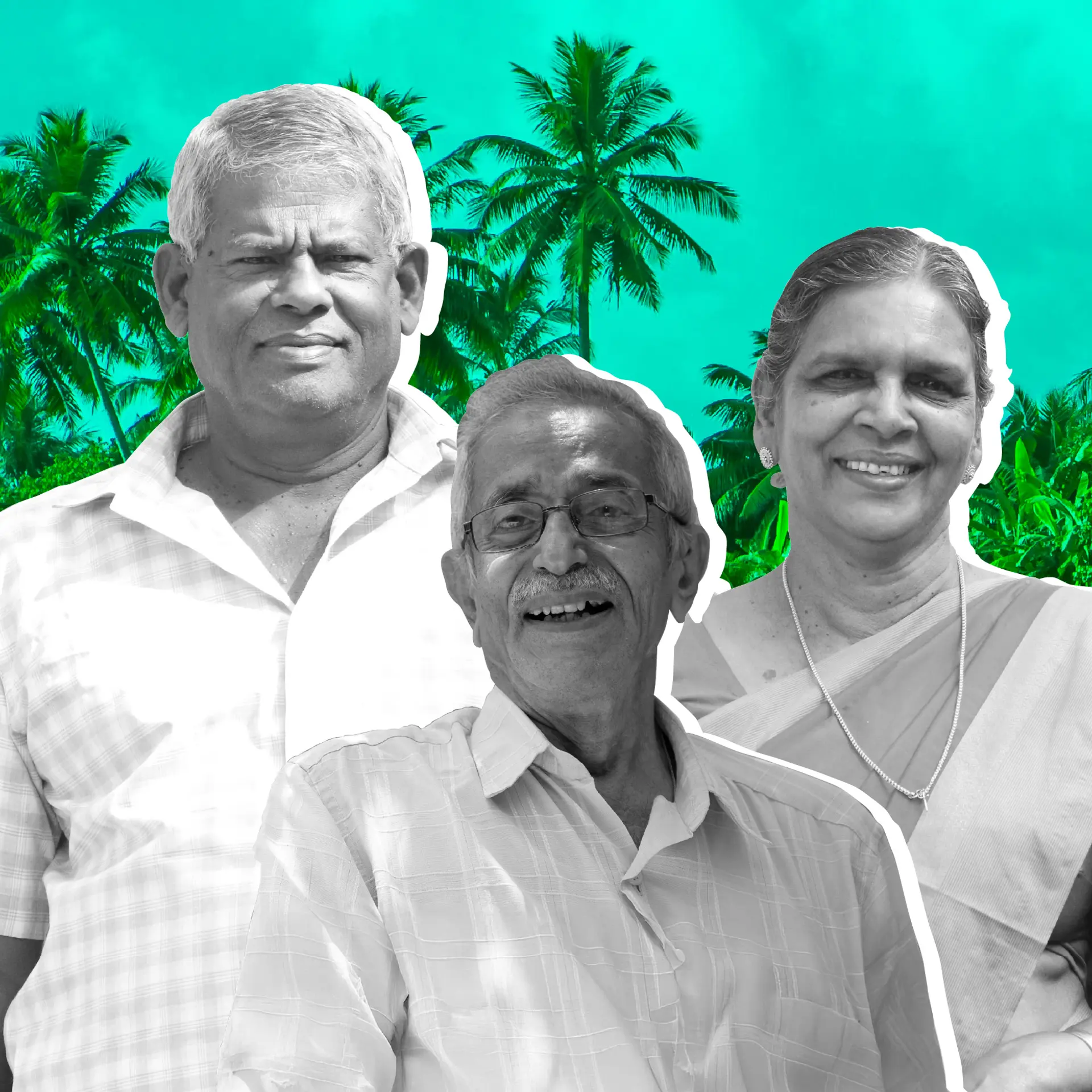

Kerala is slowly becoming an ageing population.
While its social indicators, high literacy rate, healthcare facilities, and education place the state high on the human development index, it is experiencing a demographic transition. Declining fertility rates and increasing life expectancy have seen the state’s elderly population grow over the years.
The last census in 2011 placed Kerala’s elderly population, in the age group of 60 and above, at 12.6 % compared to 8.6% for the total population of the country. The total population of elderly in Kerala is projected to be 8.4 million in 2036, according to the India Ageing Report 2023.
In the coming decade, almost one in every four Keralites will be a senior citizen.
Challenges along the way
The challenges around an ageing population in Kerala are diverse. The new Sample Registration Report puts life expectancy of women in Kerala at 78.4 years, whereas for males, the life expectancy is around 71.2 to 72.3 years. Women not only outlive men, but, according to reports, 60% of them live without a stable income source of their own.
Kerala’s older population also carries a high burden of chronic diseases such as diabetes, hypertension, and arthritis, often coupled with mobility and mental health concerns.
Migration has intensified these vulnerabilities. Younger people are increasingly moving abroad or to other Indian cities for work and education, leaving behind their elderly parents, who are forced to live alone. Occupancy in old-age homes has risen nearly 67% in the last seven years.
Measures to tackle the challenges
In March this year, the Kerala Assembly passed the Kerala State Elderly Commission Bill, 2025 to protect the rights of the elderly, becoming the first state in the country to do so. The commission will consist of a chairperson and three members (with mandatory representation for women and SC/ST communities), supported by senior officials from law, finance, and welfare departments.
The commission’s powers go beyond advisory roles. It can investigate cases of neglect, abuse, and rights violations; summon individuals; demand documents; and recommend redressal within a stipulated time.
It will also issue welfare guidelines, oversee rehabilitation of abandoned elderly persons, and coordinate with various departments for effective implementation of schemes. Importantly, it is tasked with preparing regular status reports on the condition of the elderly, ensuring policy decisions are data-driven and accountable.
In August, the government released the draft Kerala State Policy for Elder Persons, 2025. The policy aims to build an inclusive, rights-based framework for ageing, focusing on dignity, autonomy, care, and participation of older citizens.
The measures the state government has proposed include a ‘Kerala model of ageing’ with participation from local governments, provisions to promote inter-generational interaction and age-friendly technologies and dedicated budget allocations.
Apart from the draft policy and the elderly commission bill, Kerala also has other schemes in place to benefit the elderly.
Vayomithram, a scheme by the Kerala Social Security Mission, provides comprehensive health, social care, and support services to those above 65 and above in select block panchayat areas and municipalities/corporations.
Services under this scheme include mobile clinics, palliative care and welfare support. Age-friendly panchayats involve local government interventions like meal houses, parks, shelters, public infrastructure, and even a listening parlour where the elderly are offered a safe space to share their concerns.
How Kerala addresses the increase in its elderly population will depend on the effective implementation of these policies and schemes to ensure that its older citizens live with rights, dignity, and social justice. If implemented effectively, the Kerala model of ageing can serve as a good example for other states, when age catches up with the rest of the country.
Edited by Swetha Kannan