


How ARPO is documenting, reviving, conserving, and promoting Kerala’s rich cultural heritage
The Archival and Research Project (ARPO) is a non-profit organisation dedicated to preserving Kerala’s rich artistic and cultural heritage through digital archiving, multimedia storytelling, research, and various cultural initiatives.

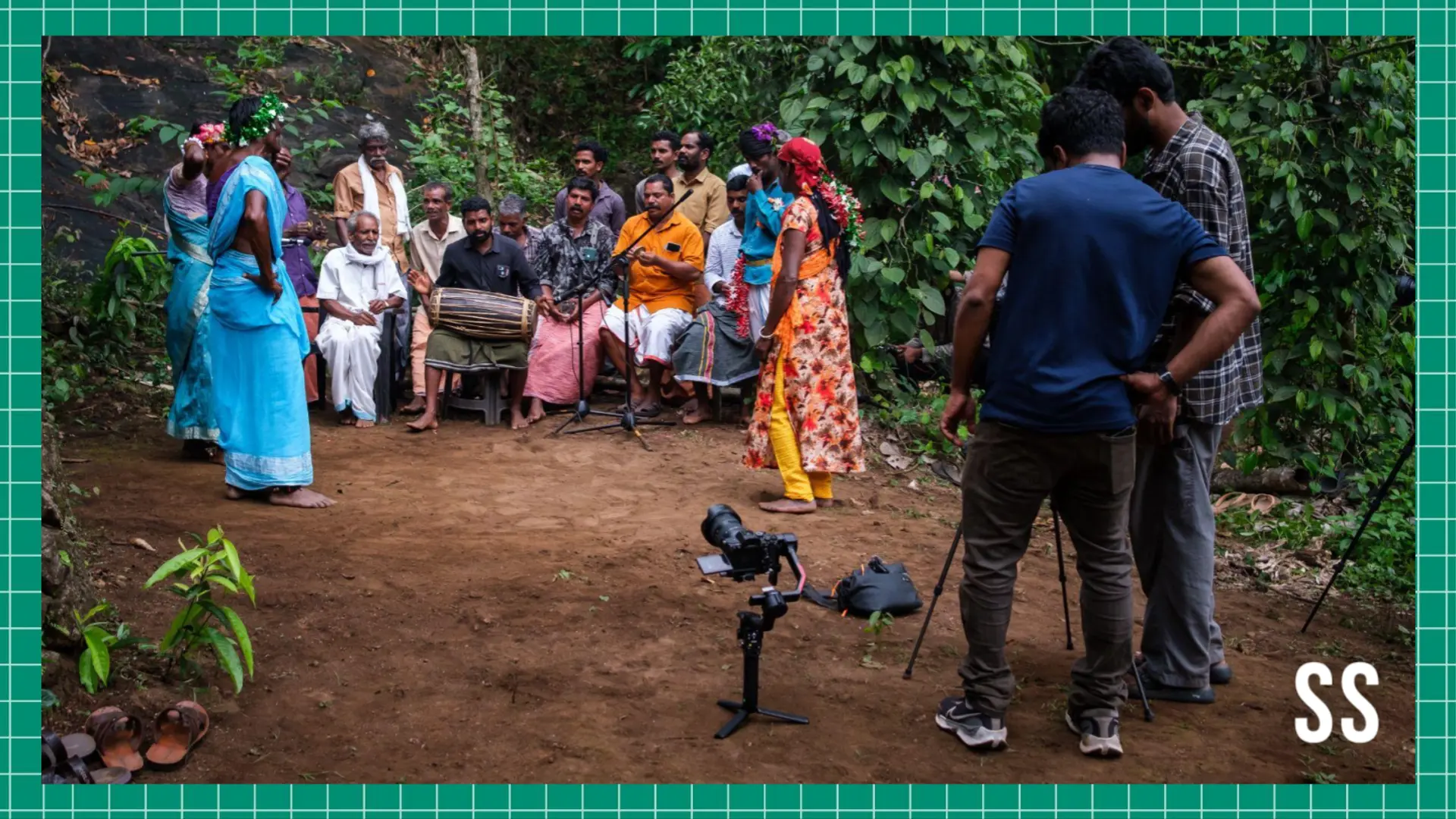

It’s an irony that haunts God’s Own Country.
While the state markets itself as a natural paradise, its extraordinary cultural diversity remains largely invisible.
“This is a state where Judaism arrived in 10th century BCE, Christianity took root in 52 AD and Adi Shankaracharya reshaped Hinduism for the entire subcontinent, Kerala struggles to tell its own stories of its rich culture and heritage,” says Sruthin Lal, Founder of the Archival and Research Project (ARPO).
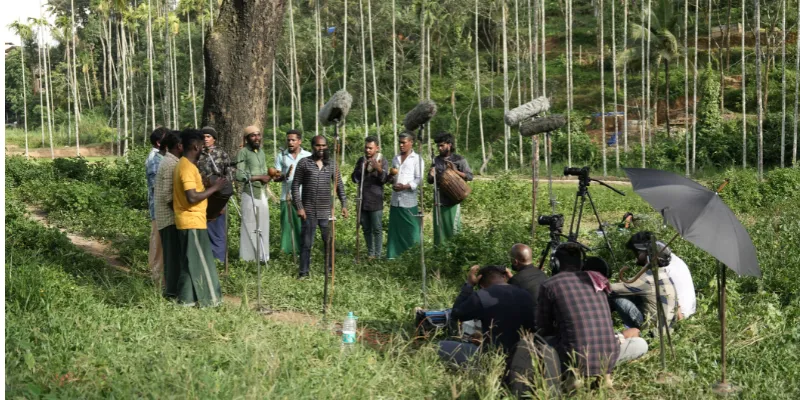
How ARPO is documenting art and culture
Kerala prides itself on being a highly literate state, but the problem with Keralites, Lal points out, is that they might know a great deal about South American, European, and Russian history, but if you ask them about the Kerala of 100-200 years ago, they might not have a clue.
Through its various initiatives, ARPO is attempting to change this by documenting folklore, reviving long-forgotten art, and introducing traditional artists to the creative economy.
A graduate of Physics, Lal pivoted to journalism and spent years in Delhi building a career in multi-media storytelling. His mastery of mobile journalism and documentary production would become crucial to ARPO’s work.
When COVID brought him back to his home district of Kozhikode in 2020, something changed. “When I was living in Delhi, I found history everywhere. Back home, I realised that even though Kerala has a rich history, no one really talks about it.”
Lal spoke about this with his friends, Parvathy AR, an economics teacher from Thiruvananthapuram doing her PhD at IIT Delhi; and Nevin from Kochi. Together, they founded ARPO as a not-for-profit collective based in Thiruvananthapuram.
ARPO’s first project was an immersive audio podcast on Kozhikode’s role as one of the world's most sought-after ports from 1300-1600 AD, a story even most Kozhikodans aren’t aware of.
Published by The Fourth and now being adapted into a book by Westland, it set the template for ARPO’s work in making Kerala’s hidden histories accessible and compelling.
But what happens when you tackle a culture so diverse it changes every 10 kilometres? ARPO found its answer in equity.
ARPO began with 36 tribal communities, around 1.5% of Kerala’s population, each with its own language and rich customs but hardly visible in the state’s cultural narrative. A chance meeting with a folk singer who travelled extensively to document tribal music became the turning point.
With seed funding from Experion, an IT company whose co-founder is from Lal's village, ARPO launched its first tribal documentation project, Earthlore, in early 2022.
Working with filmmaker Charu Hariharan, they identified two communities: the Irula tribe of Attapady in the Kerala-Tamil Nadu border and the Kattunaykkar tribe of Wayanad in Northern Kerala. Over three months, the team recorded song performances and interviews and facilitated the association of tribal musicians with professionals.
In Season 2 of Earthlore, ARPO has collaborated with Mannan and Paliyar tribal communities in Idukki with support from the Samagata Foundation.
The fellowship that changes lives
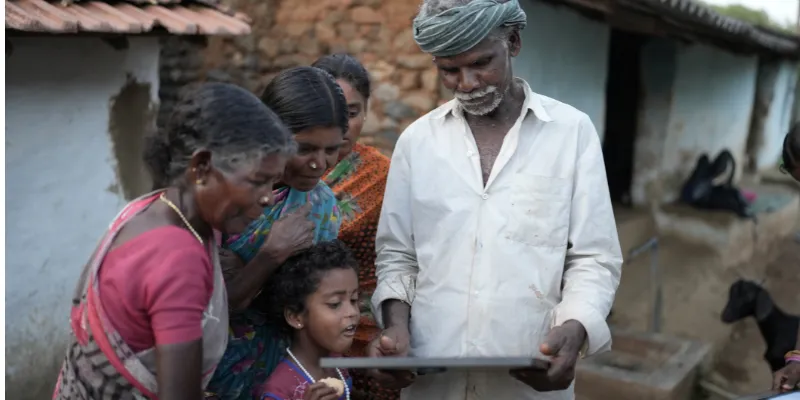
Helping communities document folklore
Dinesh, a tribal leader who had spent 25 years promoting music in his community with little success, saw attitudes change in young people after ARPO’s efforts.
“Young people now saw that there were more opportunities, money, and prestige. More and more people started to show interest,” says Lal.
This led to the ARPO Earthlore Fellowship, a nine-month programme with the support of Tata Trusts where each fellow receives Rs 15,000 a month, and also receives training from India’s top instructors in professional skills needed to survive in the creative economy.
The fellows’ debut performance launched on November 2 at Nisarga Arts Club, Kochi, and they are now embarking on an India tour as an internationally-recognised band.
"The transformation is phenomenal. We didn't expect such a result. The compositions are in their own languages. The depth of the lyrics, and the quality of the performance, it's turning out to be brilliant,” Lal says with pride.
Crowdsourcing memories
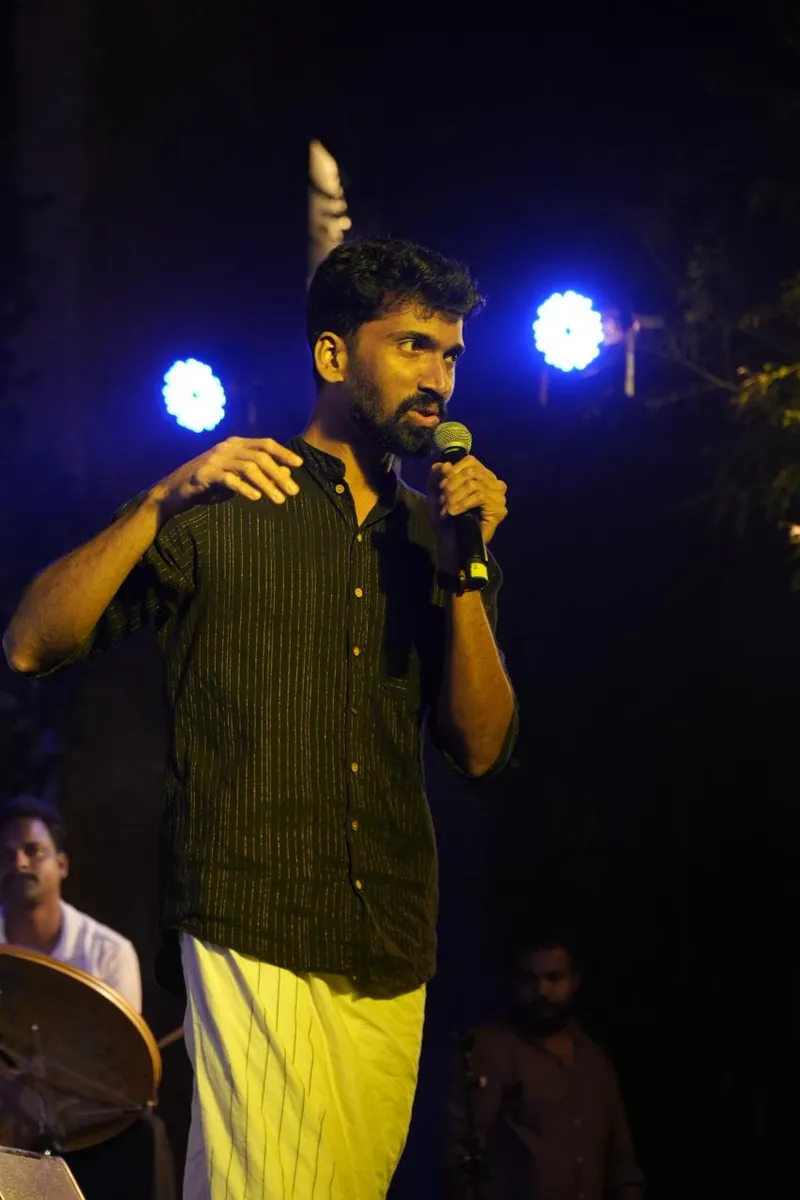
Sruthin Lal
Another important aspect of ARPO's work is the Lore Keepers project, supported by the Faisal and Shabana Foundation in Kozhikode. It harnesses mobile journalism to crowdsource Kerala's vanishing folklore.
The concept is simple: anyone with a smartphone can record folk tales and songs from their families or communities, following ARPO's shooting guidelines, and submit them for archiving.
Over two years, the project has collected 1,800 folk tales and songs, all published on the Lore Keepers’ channel on YouTube as Kerala's largest open-access video archive of oral tradition.
"These are the assets of a community. It is a collective thing. We want to preserve it in that way,” Lal says.
While the project is currently paused, the archiving continues wherever ARPO works.
Conserving history and sacred spaces
In Lal’s home village of Kunnamangalam, a 300-400-year-old hall, Karnikara Mandapam of the Bhadrakali Temple, was in ruins, its wood eaten by termites.
When the local community deliberated on replacing it with concrete, ARPO stepped in. It raised two-thirds of the funds from Vivek Sahni, chairman of Kama Ayurveda and one-third from the community to appoint conservation architects who restored it using traditional materials like wood, mud flooring and lime plastering.
The project won two UNESCO awards (for Intangible Cultural Heritage Conservation and Sustainable Development), and recognition from multiple organisations.
More importantly, it preserved the Bhadrakali temple's environmental legacy, a belief system that protected local streams and forests by designating them as sacred. The restoration also honoured the complex web of communities involved in the temple's rituals: Kariyathan guardians, Marar drummers, and Kurumbalar tribals, each with specific ceremonial roles.
As ARPO's documentation work expands, questions of data ethics have become central to this work. The organisation’s approach is collaborative, and communities decide what gets recorded and what remains private. Some origin stories are documented but not published. Some knowledge isn't recorded at all.
While documentation will expand the reach of Kerala’s stories to a global audience, ARPO is aware that cultural practitioners need to earn money.
“We revived the Koyilandy hookah. We set up an Instagram account for the artisans, made a website, and promoted it. The hookahs started selling, and we even corrected the price for them,” explains Lal.
ARPO also started an experimental cultural tourism brand, Kuli, and in a short time, has organised 25 premium tours for those who are looking for authentic experiences, connecting, history and culture. For instance, it recently designed a cultural event with 10-15 artists for a big brand, earning substantial income for them.
This month, it also kicked off its Saga series where author-historian Manu Pillai will delve into Kerala’s history, heritage, arts, and culture.
"He has a big following among the youth and this is the target group that we need to reach,” Lal notes.
Its next big idea? A creative culture college that hopes to train cultural practitioners as creative entrepreneurs, where they will learn marketing, content creation, how to negotiate contracts, invoicing and design.
Edited by Megha Reddy