



From activism to infrastructure: How WAE is attempting to cut India’s plastic bottle use
As plastic waste from single-use bottled water continues to surge globally, WAE Water is attempting to disrupt that model with a steel-first approach.

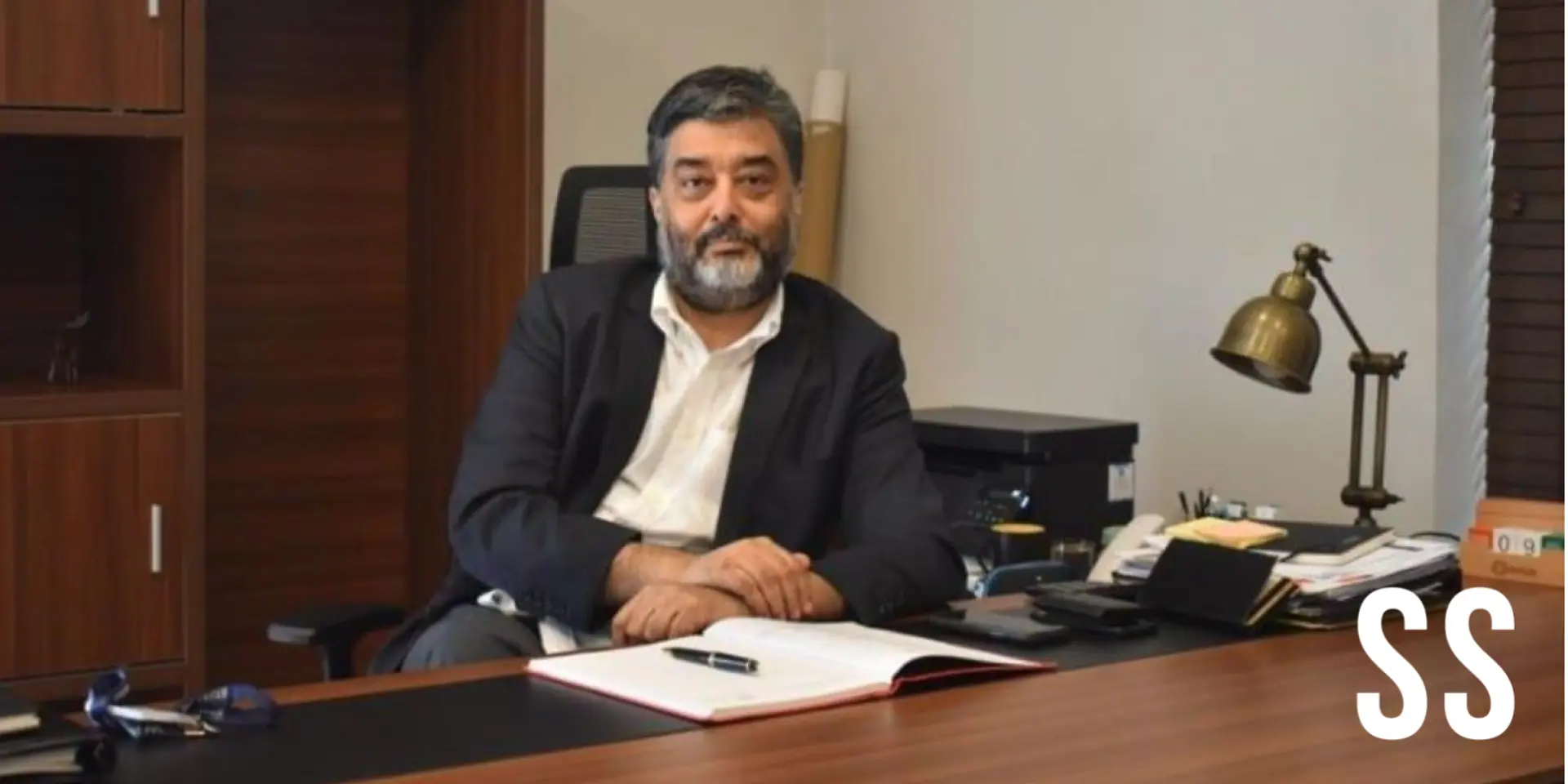

Most people would rarely consider how a disposable plastic bottle of mineral water comes into being and what its long-term consequences are. It was against this context that Anupam Joshi founded WAE Water (WAE) as “an activist venture” almost 15 years ago.
In 2010, the bottled water industry was booming, and sustainability was barely part of the discourse the way we see it today. At the time, Joshi made a conscious choice: rather than entering the crowded B2C water purifier market, WAE would focus on the far larger, but mostly unquestioned B2B segment, where corporations were almost entirely dependent on bottled water supplied by industry giants like Coca-Cola, Pepsi, and Nestle.
In its early years, WAE positioned itself against this dominance, running campaigns like saynotobottledwater.com—a website that Joshi says was repeatedly hacked—and pushing companies to rethink the health risks and environmental costs of plastic packaged water.
WAE started by supplying its steel-based, point-of-use water systems to big institutions, with early clients like Citibank and Max New York Life joining the vision. Those early years were slow and driven more by advocacy than profit, says Joshi, but the groundwork helped the company gain momentum later, when sustainability became a buzzword during the pandemic.
Today, WAE is more than just a dispenser company. It is part of a broader push to reduce dependency on bottled water, especially single-use plastic bottles.
The company’s footprint spans a wide range of public and private institutions. It has been managing drinking water systems at Indian airports for nearly a decade, with “almost 90% of the airports” using its drinking water fountains.
It has also supplied systems to the Indian Parliament for the first time, and its products are now installed across all Central Secretariat buildings and the Quality Council of India building. Beyond government spaces, WAE works with colleges, universities, the hospitality sector, and hospitals such as Medanta and Apollo.
Joshi’s ambition is rooted in a global plastic crisis that is real and enduring.
The United Nations Environment Programme (UNEP) says global plastic production had exploded from roughly 2 million tonnes in 1950 to over 450 million tonnes by 2019.
It estimates that tens of millions of tonnes of plastic waste leak into aquatic ecosystems each year. Packaging, including bottles, remains one of the largest contributors to plastic pollution, and a vast portion of single-use plastic ends up in landfills, rivers, oceans, and other natural ecosystems.
By some estimates, around 500 billion plastic bottles are used worldwide every year. Studies suggest that global bottled water consumption, estimated at over hundreds of billions of litres, is on a continuous rise.
With poor recycling rates—only a fraction of plastic bottles are recycled, and most single-use plastic ends up as waste—it acts as a major contributor to this pollution.
“These are among the many reasons that give context to our work and our proposition,” says Joshi. “So, when we say that we aim to replace plastic—especially in institutional or corporate settings where water consumption is high—we are talking about addressing a systemic challenge, not promoting a niche luxury product.”
Steel and metal, not plastic
Central to WAE’s work is that its water dispensers and purification systems avoid plastic, opting instead for steel and metal.
Joshi argues that this choice delivers multiple benefits: greater durability, less risk of plastic leaching, a longer hardware lifecycle (meaning less frequent replacement), and overall, a lower long-term environmental footprint compared to cheap plastic dispensers or single-use bottles.
Cheap plastic dispensers or the ubiquitous PET bottles, are often lightweight, intended for limited use, and built with margins and convenience in mind rather than durability.
So WAE’s reasoning—that reusable metal systems can cut down plastic dependence in high-consumption settings—echoes longstanding recommendations from plastic waste experts.
Profitability, market constraints, and scaling
But WAE is also a business, and Joshi is frank about the trade-offs. Choosing steel over plastic slows down manufacturing because metal fabrication requires more manual labour and cannot be produced in high volumes compared to plastic units.
As a result, WAE’s systems take longer to build, which limits the company’s speed of scale. He compares it to “making a mechanical watch, which is precise, labour-intensive, and not easily automated.”
Joshi also points out that in many parts of India, with smaller offices or cost-sensitive segments, decision-makers often prioritise low upfront cost over long-term sustainability.
Convincing customers to pay significantly more—even if the system pays off over the years—he says, remains a big challenge. This cost-sensitivity is compounded by the broader social acceptance of bottled water as “safe,” “convenient,” and “portable,” he adds.
These realities show that while WAE’s model can have sustainability benefits, scaling it across a cost-sensitive market requires both customer education, awareness, and policy incentives—all of which are neither easy nor guaranteed.
Measuring impact
When asked how WAE measures its environmental impact, Joshi talks about metrics such as “litres of plastic saved,” “number of plastic bottles avoided,” and “device life cycle span.”
For instance, if a corporate office that previously stocked bottled water shifts to WAE’s dispensers, WAE would estimate the number of plastic bottles that would have been consumed in a year, and count that as avoided plastic use.
Studies show that while “bottles avoided” is a useful proxy, it is only one part of understanding true environmental impact. His focus, for now, remains on “simpler” measures such as plastic volume avoided, waste prevented, and reduced reliance on single-use plastic.
Joshi says WAE uses lifecycle assessment (LCA) methods and works with external auditors like EcoVadis, providing them with detailed data on materials, manufacturing, and energy use. The company also relies on established industry data comparing the carbon footprints of plastic bottles and stainless steel.
Policy, regulation, and systemic hurdles
Since WAE’s approach sits at the intersection of business, infrastructure, and environmental responsibility, Joshi believes policy, or at least regulatory incentives, has a major role to play.
He flags a few key challenges, such as the absence of a regulatory mechanism to discourage single-use plastic bottles; mandates for reusable/refillable water infrastructure in offices and public buildings; how bottled water escapes scrutiny even in places where plastic bans exist; and weak, unreliable municipal or government-run water supply infrastructure.
Without significant improvements to public water quality, Joshi says, the demand for convenience and perceived safety of plastic bottled water will continue to drive its use.
The shift WAE proposes is significant, but the limits are equally real. The systems are expensive upfront, making adoption difficult in a cost-sensitive market like India. The impact measures WAE uses—bottles avoided, carbon comparisons, and litres dispensed—may not fully account for the lifecycle of materials, manufacturing and transport, but they have an overall, meaningful impact.
“For our model to scale meaningfully, there needs to be a combination of policy nudges; like taxes on single-use plastic bottles, incentives for refillable systems, regulatory standards, and public awareness. Otherwise, bottled water will continue to dominate simply because it’s familiar and affordable,” says Joshi.
Edited by Suman Singh