



Budget 2026 puts mental health in focus with new national institutes, NIMHANS expansion
The proposals include a second NIMHANS campus in North India, upgrades to mental health institutes in Ranchi and Tezpur, and a sharp expansion of emergency and trauma care capacity in district hospitals.

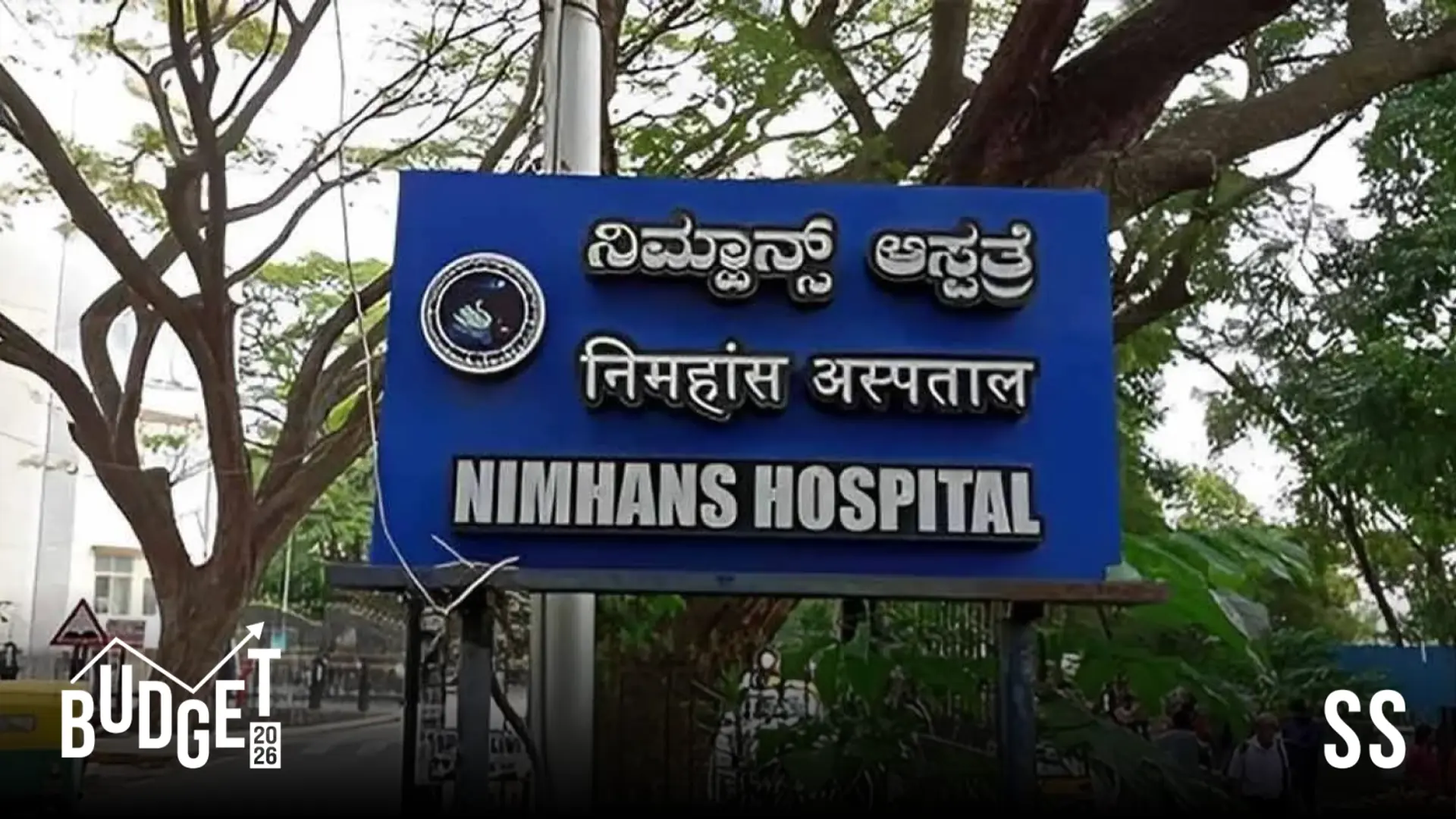

The Union Budget 2026–27 saw Finance Minister Nirmala Sitharaman emphasising mental health, announcing an expansion of the nation's institutional capacity to address gaps in specialised mental health care in different parts of the country.
Acknowledging that North India currently has no national institute dedicated to mental health, Sitharaman said the government will establish a second campus of the National Institute of Mental Health and Neuro Sciences (NIMHANS) in the region, and also announced plans to upgrade the National Mental Health Institutes in Ranchi and Tezpur as regional apex institutions for mental healthcare, research, and training.
The announcements come amid mounting evidence of a growing mental health burden in the country, with nearly 60% people seeking mental health care in India now under the age of 35, as revealed at the 77th Annual National Conference of the Indian Psychiatric Society, which was held last month in Delhi.
Drawing links between mental health outcomes, emergency care and financial vulnerability, the FM noted that medical emergencies often expose families—particularly the poor and vulnerable—to sudden and catastrophic expenditure. To address this, she proposed to strengthen emergency and trauma care capacities in district hospitals by 50% through the establishment of dedicated emergency and trauma care centres.
The focus on mental health also aligns with some key points from the Economic Survey 2026, which warned that rising digital addiction linked to excessive use of social media, gaming platforms and OTT content is emerging as a serious concern, particularly among young people.
In her health sector announcements, Sitharaman outlined plans to upgrade allied health professional training and institutions to cover key disciplines such as optometry, radiology, anaesthesia, OT technology, and applied psychology and behavioural health, with a target of adding 1 lakh allied health professionals over the next five years. This comes as mental health counsellors have recently been made mandatory across all CBSE-affiliated schools, reflecting growing recognition of the need for early intervention and school-based mental health support.
Edited by Affirunisa Kankudti