



Meet the men and women making ocean and marine conservation their mission
On World Environment Day, we look at the ocean champions who are working to safeguard marine ecosystems and raise awareness on the need for conservation and protection.

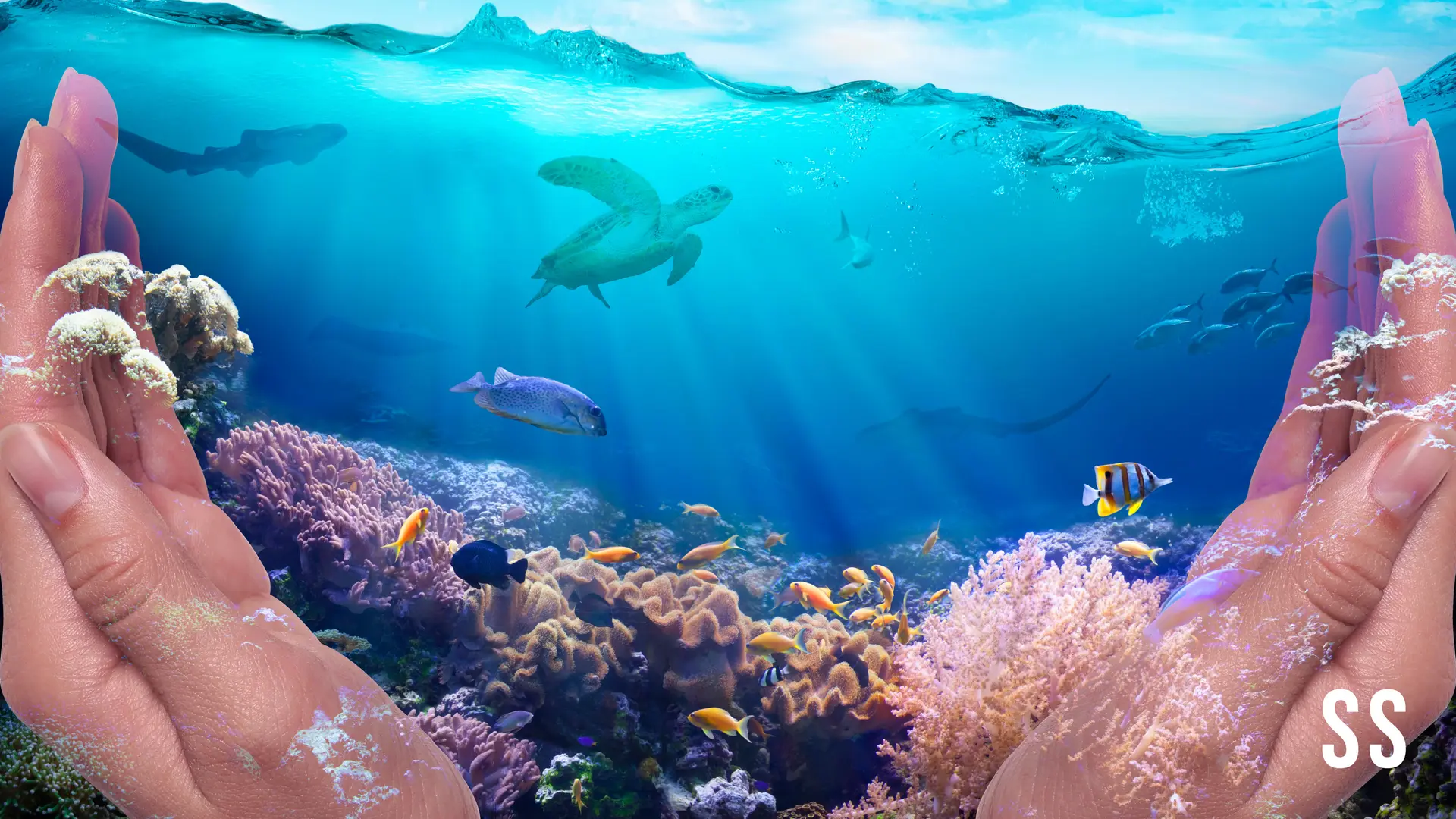

A new generation of champions is reshaping how India thinks about its oceans and marine life. Through scientific research, conservation, storytelling, citizen science, and community engagement, they are drawing attention to the rich yet often overlooked marine ecosystems that support millions of livelihoods.
Their work highlights the urgent need to protect coastal habitats, marine biodiversity, and traditional fishing communities in the face of climate change, pollution, and unsustainable development.
Meet the men and women making ocean and marine conservation accessible and relatable. They are inspiring citizens to view the oceans as a vital part of our environmental future.
Uma Mani
Uma Mani’s journey into the oceans began as a journey of rediscovery. After spending years on family responsibilities, she returned to art at age 49 and was drawn to the ocean and coral reefs in the Maldives, where she was living, for inspiration.
Determined to experience the underwater world firsthand, she learned to swim and scuba dive. The experience of seeing coral reefs up close transformed her from an observer into an advocate.
The turning point in Uma Mani's conservation journey came through Coral Woman, a documentary that chronicled her exploration of India's underwater ecosystems. While the film began as an effort to document coral reefs, it evolved into a powerful account of a woman who discovered a new purpose later in life. Through the filming process, Mani travelled extensively, witnessed the degradation of marine habitats firsthand, and deepened her engagement with ocean conservation. The documentary not only amplified the plight of coral reefs but also brought her work to a wider audience, helping spark conversations around the urgent need to protect India's marine ecosystems.
Now based in Dindigul, Tamil Nadu, Mani continues to raise awareness by speaking with students in schools and colleges, as well as with corporate organisations, about ocean conservation and the effects of climate change.
Venkatesh Charloo
After spending more than a decade as a banker in Hong Kong, Venkatesh Charloo chose an unconventional path in 1995, leaving behind the corporate world to pursue his passion for the ocean. He moved to Goa and began working as a scuba diving instructor, joining Barracuda Diving India as a freelancer before becoming a partner and eventually taking over the company.
Over the past three decades, he has emerged as one of India's most experienced dive professionals, combining his love for diving with a deep commitment to marine conservation. Through Coastal Impact, an initiative he founded, Charloo works to raise awareness about marine ecosystems, encourage more people to become divers and ocean advocates, and inspire collective action to protect Goa’s rich but vulnerable marine life.
Shaunak Modi
Marine conservationist Shaunak Modi is working to bridge the gap between science and public engagement along India's coastlines. As co-founder and director of the Coastal Conservation Foundation, he has been at the forefront of efforts to study and protect marine ecosystems while encouraging greater citizen participation in conservation. His interests span intertidal ecology, cetacean research, and community-led environmental stewardship.
Since 2019, Modi has led a range of conservation initiatives, including research on cetacean populations in the waters around the Mumbai Metropolitan Region and citizen science programmes such as Marine Life of Mumbai and Marine Life of Goa. Through these projects, he has helped create opportunities for ordinary citizens to document marine biodiversity and contribute to the scientific understanding of India's coastal ecosystems.
What makes Modi’s approach distinctive is his ability to combine conservation with technology and communication. Drawing on his experience in digital strategy, product development, and online engagement, he uses technology, storytelling, and outreach to make marine science more accessible.
Nayantara Jain
Over the past 12+ years, Nayantra Jain has been building, scaling, and raising global awareness of ocean conservation initiatives. Her work sits at the intersection of science, storytelling and fundraising. This marine biologist initially worked as a scuba instructor in the Andamans and Lakshadweep Islands. While diving through the coral reefs, she saw how human activity was changing the ocean floor. In 2010, when she saw the El Niño effect on coral reefs due to rising water temperatures, it propelled her towards studying ocean conservation.
She is the executive director of ReefWatch Marine Conservation, an organisation that aims to protect India’s coasts and oceans through rescue, education and research, working primarily in the Andamans.
Thaaragai Aarathana
At just eight years old, Thaaragai Aarathana undertook a remarkable 19-km swim from Covelong to Neelankarai, Chennai, to raise awareness about the growing threat of ocean pollution. The initiative, undertaken under the banner of ‘Save the Ocean’, was inspired by years of watching her father, a scuba diving instructor, remove plastic waste from the sea.
Aarathana was introduced to swimming when she was only six months old. She gradually built the skills and confidence needed for open-water challenges. The swim itself was far from easy. Heavy rain delayed the start, and once in the water, she had to battle cramps and encounters with jellyfish. Supported by her father and a safety team, she persevered and completed the demanding journey.
What made the feat significant was not the distance covered but the message behind it. The swim drew widespread attention to marine pollution and helped amplify conversations about ocean conservation. Together with her father, Aarathana has since participated in efforts to remove hundreds of kilograms of plastic waste from the sea. She also engages with students through talks and awareness programmes, encouraging younger generations to take responsibility for protecting marine ecosystems.
Edited by Swetha Kannan