



Is the revival of ‘lost recipes' a necessity or yet another fad?
With restaurants and hotels spotlighting lesser-known dishes across cuisines, we dig deep to understand if this is yet another passing trend or a need of our times.


A recent meal at Loya, an Indian cuisine restaurant in Taj Palace, New Delhi, was a revelation in many ways. Unlike most spaces in the city that are hesitant to go beyond the quintessential butter chicken and tandoori dishes, the food on our table was a reminder of the rich culinary heritage that North India boasts of.
While the dishes were nuanced in presentation, the restaurant had not tampered with the original recipes or techniques, the custodians of which are people from across Himachal Pradesh, Punjab, Uttarakhand and Kashmir.
For instance, Dal Jakhiya at Loya brought to the fore the art of baghaar or tempering. Besides, rustic jakhiya seeds, native to the Himalayas, were added to the dish.
Another dish, Bhunnu Murg, featured pisyu loon, a traditional Pahadi spiced salt. The salt is used to marinate chicken morsels, which are then smoked over charcoal, and served on a rustic chulai paratha, a flatbread made from a lesser-known but highly nutritious variety of amaranth, explains Rajesh Wadhwa, Grand Master Chef – Loya.
Loya is among the growing crop of hotels and restaurants organising pop-ups and integrating lesser-known recipes into their menu.
Prizing heritage recipes is one of the ways in which Indians are paying tribute to their larger cultural heritage across regions, says food columnist, author, culinary historian, curator and analyst, Anoothi Vishal.
“Post-Covid, there is a trend towards a discovery or rediscovery of cultures. And food, with its history, sociology and cultural aspects, is naturally attracting a diverse sophisticated audience that wants to listen to storytelling as much as taste dishes,” she adds.
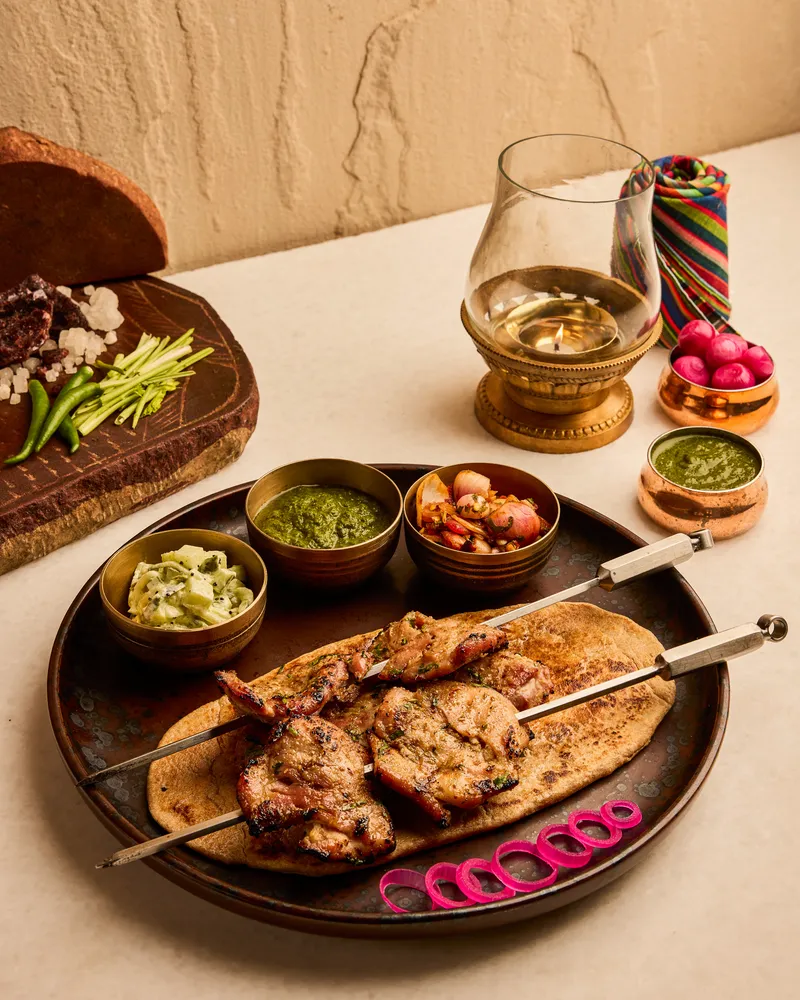
Bhunnu Murg at Loya features pisyu loon, a traditional Pahadi spiced salt.
Recently, at Conrad Pune and Bengaluru, Vishal delved into 19th-century haute Indian cuisines and the influences that shaped them as inventive modern cuisines of the time.
In the 19th century, Puneri food was built around the Peshwa legacy combined with newer European and Parsi influences that came to the city with the building of the railways from Bombay and the establishment of the British camp, says Vishal.
Thus, dishes like aamras, modak and bharli vangi—a throwback to the Peshwai legacy, albeit in a contemporary format—featured on the menu.
At Conrad Bengaluru, Vishal looked at how food changed, as cultural and political power witnessed a shift from Mughal Delhi to Lucknow and Hyderabad, to colonial Calcutta. Khageena, chowk ki tikiya, double ka meetha, and malai curry were put under the spotlight to narrate stories of the evolution of food.
“Consumers are looking for creativity and legacy. With well-researched legacy dishes, there’s a possibility of experimentation that's often well-received by guests,” says Vishal.
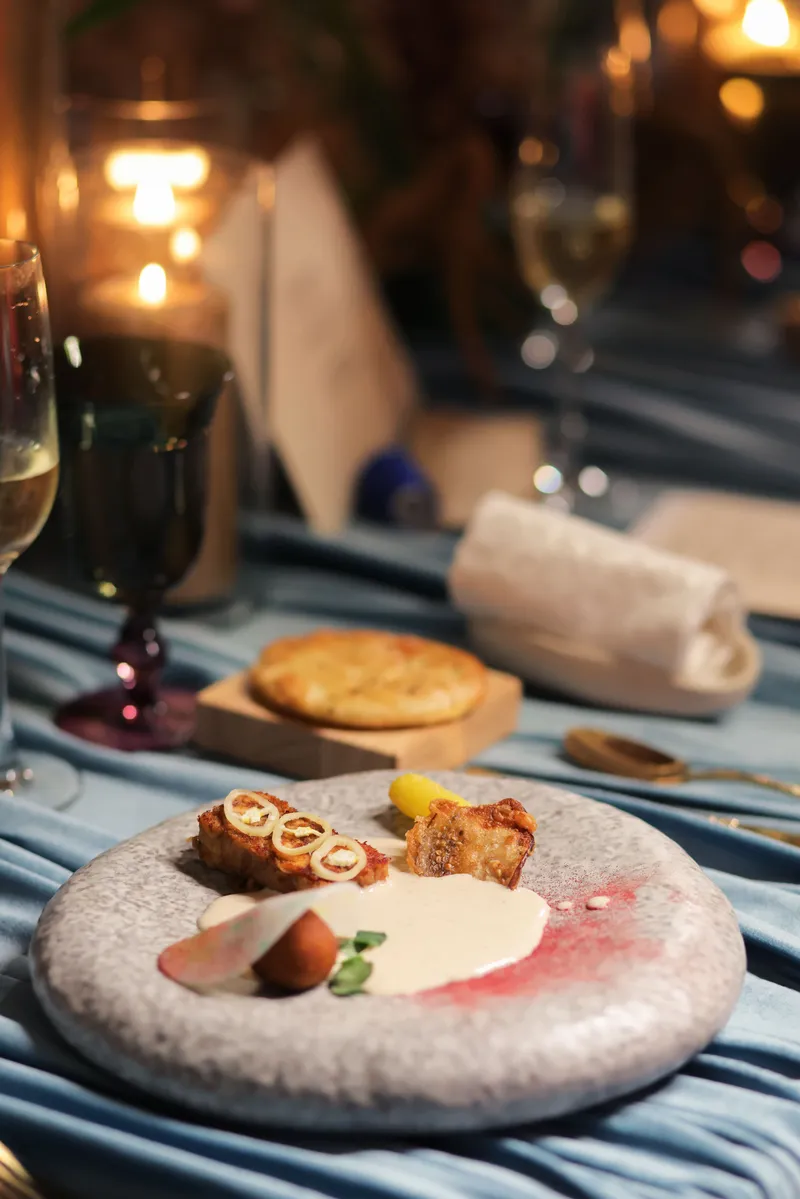
Safed Qurma to Rezala, a rabbit dish served in Anoothi Vishal's culinary experience at Conrad Bengaluru
Reviving ‘lost’ recipes
Young restaurateurs, chefs and food entrepreneurs today are driven by a keen interest in heirloom recipes and reviving the culinary traditions of their ancestors.
At the Royal Heritage Haveli in Jaipur, the culinary experience ‘Lost Recipes of the Khatipura Kitchen’ features recipes from Chef Shambhavi Singh’s grandmother’s time at the haveli—dishes that carry stories of celebration, seasons, and rituals.
“As a pastry chef, I find immense joy in reimagining some of these age-old techniques—like using heirloom grains, native fruits, and traditional sweeteners, and plating them differently at times,” says Singh, Director at Royal Heritage Haveli.
The Royal Heritage Haveli’s focus, says Singh, has never been on trends or theatrics. The recipes presented are not plucked from old cookbooks to fit a theme; they are dishes that have been cooked, celebrated, and loved by Singh’s family for generations.
“Every offering, from the humble Moon ka Batai to the Safed Maas, carries a real, personal story—of my grandmother’s table, of seasons marked by certain ingredients, of festivals and family gatherings in the haveli’s courtyards,” Singh shares.
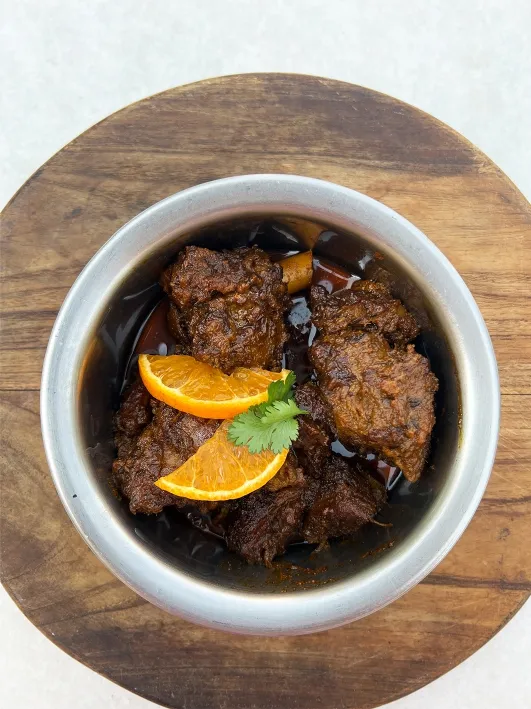
At Royal Heritage Haveli, Jaipur, guests can enjoy narangi maas, a dish made with freshly plucked in-house oranges, a refreshing change from the done-to-death laal maas.
However, Vernika Awal, writer and Brand Lead at Ikk Panjab, a restaurant that celebrates the cuisine of undivided Punjab, has a word of caution.
While there's no harm in spotlighting ‘lost recipes’, sometimes this label is nothing more than a trend that arises from lack of research, says Awal. Many of these dishes continue to be cherished and prepared in regional kitchens across India, although they remain outside the urban spotlight.
“The disconnect lies with an urban audience that, more often than not, becomes familiar with global cuisines before exploring the depth of their own culinary heritage,” she points out.

When traditional recipes resurface through travel, research, or media exposure, they are often termed ‘unique’ or ‘exotic’, when, in reality, they have always been part of living traditions.
“For example, the Gosht Beliram we serve at Ikk Panjab. Despite some food historians labelling it as a ‘lost’ dish, it remains one of the most celebrated recipes from the royal kitchens of Maharaja Ranjit Singh,” says Awal.
Similarly, a humble dish like panta-bhaat from Odisha and Bengal—for long a simple meal of sustenance—was ‘rediscovered’ and celebrated globally when a contestant on MasterChef Australia presented it.
“This highlights an urgent need: we must celebrate and document our regional and micro-regional cuisines before they fade into the annals of time,” urges Awal.
Srinivasulu A, Brand Chef at New Delhi-based Indian restaurant Chor Bizarre, agrees. He believes reviving ‘lost recipes’ is as much about spotlighting sustainable cooking methods as it is about the ingredients.
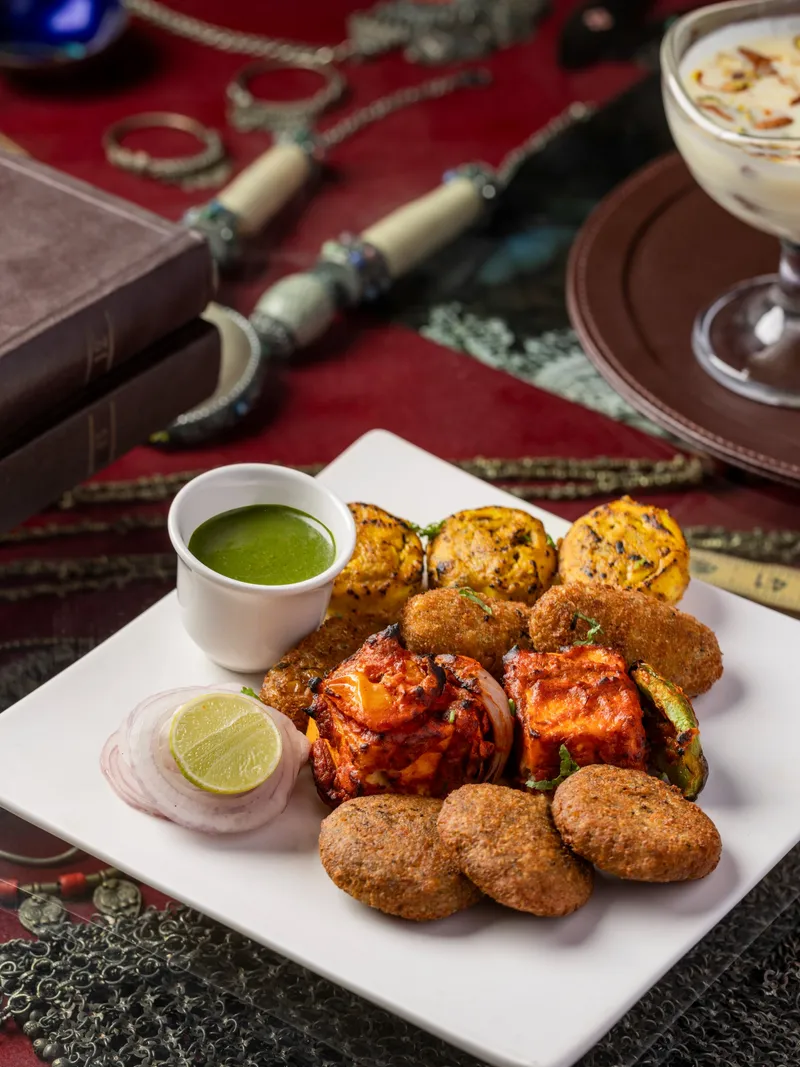
Veg kebab platter at Chor Bizarre
“Certain dishes require a hands-on skill, which hasn’t been transferred to a younger generation. When it comes to Kashmiri dishes like rista and goshtaba, the right way to make it is to hand-pound meat for four to five hours. But I believe lack of patience or hard work has led to many using a meat mixture, the outcome of which isn’t the same,” he says.
Reconnecting with cultural identities
Apart from showcasing ingredients and methods, it’s also about reconnecting with memories, landscape, culture and identity, through extensive research and storytelling.
“Our team of chefs have spent weeks on ground in various parts of the North researching recipes, ingredients, culinary techniques, and more. We see these recipes as time capsules; each one carries the stories of forgotten homes, communities, and geographies. Giving them a voice again is a way of honouring where we come from,” says Loya’s Wadhwa.
Awal believes there should be more researchers, storytellers, chefs, and institutions committed to shining a light on traditional recipes and preserving our country’s invaluable heritage for future generations.
Ikk Panjab’s cuisine is not just a testament to Punjabis and their joie de vivre but also marks a conscious departure from the umbrella term ‘North Indian’ cuisine. Instead, the restaurant spotlights the nuanced micro-region of Punjab, often lost in the generalisation of culinary categories.
What’s important though, Awal believes, is to not overuse nostalgia to sell a concept. There is a delicate balance between celebrating memories and overindulging in them, and it is easy to cross the line without even realising it.
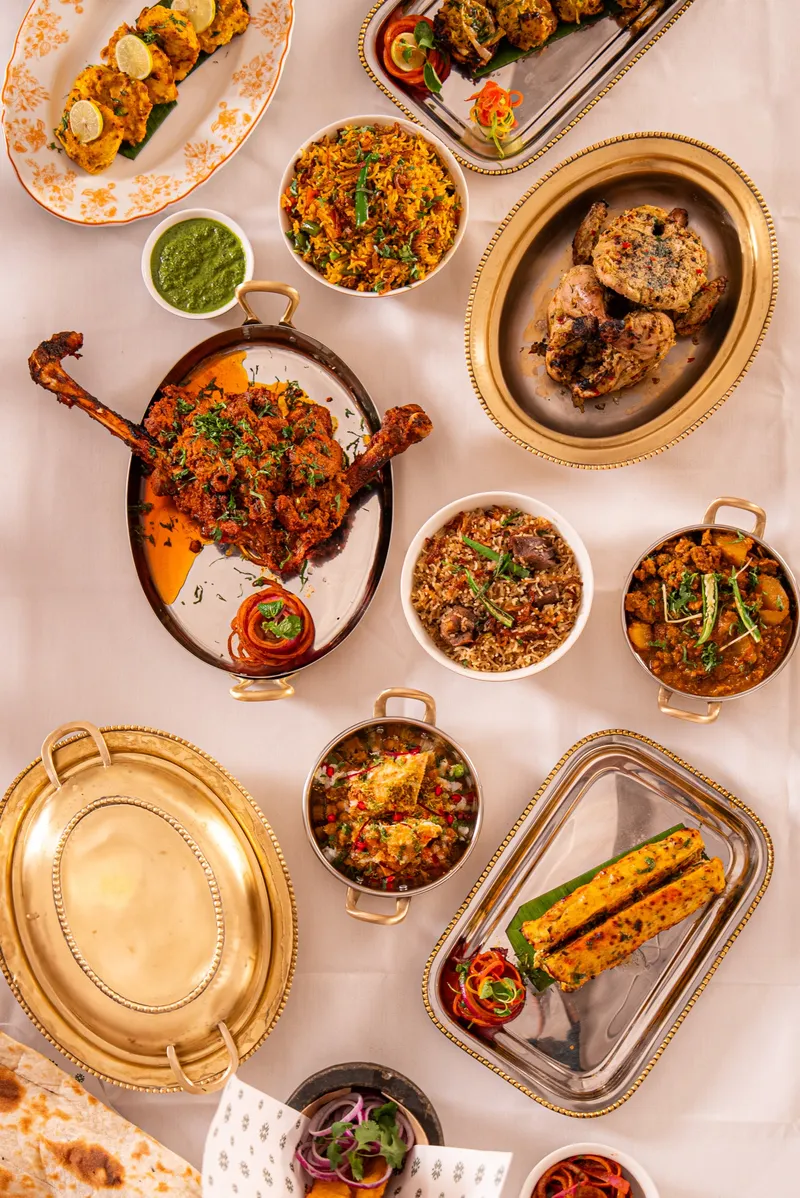
Ikk Panjab spotlights the nuanced micro-region of Punjab, often lost in the generalisation of culinary categories.
“Walking into Ikk Panjab is like stepping into the living room of a well-travelled Punjabi family's home, where walls are adorned with treasured family portraits and every corner holds a story.
“Even the music is a conscious departure from the typical, upbeat Punjabi tracks—not out of disregard, but out of a desire to celebrate it more grandly through our special IP—The Heritage Gathering—an intimate coming together of minds and voices celebrating Punjab’s artistic and intellectual depth,” she elaborates.
At Royal Heritage Haveli, the process of curating a menu of heirloom recipes began with long conversations—with elders in their family, with cooks who had worked in the haveli kitchens for decades, and local artisans and farmers who remembered certain ingredients and techniques.
“It wasn’t just about collecting recipes; it was about understanding the spirit behind each dish—why it was made, when it was traditionally served, and the rituals or memories associated with it,” says Singh.
In a nutshell, authenticity is key. It’s important to capture the spirit of a tradition and respect its roots, while giving it a voice in today’s language.
“Today’s well-travelled diners can sense when something’s honest. That’s what sets a place apart; it’s not a performance, it’s a pilgrimage,” concludes Wadhwa.
Edited by Swetha Kannan