



Social media, mental health, and abuse in adolescents take centre stage in popular culture
Shows like Adolescence and a recent play staged in Delhi, SHADOWed, highlight themes like social media and mental health, sexual abuse, and power, serving as an eye opener for parents of young adults.

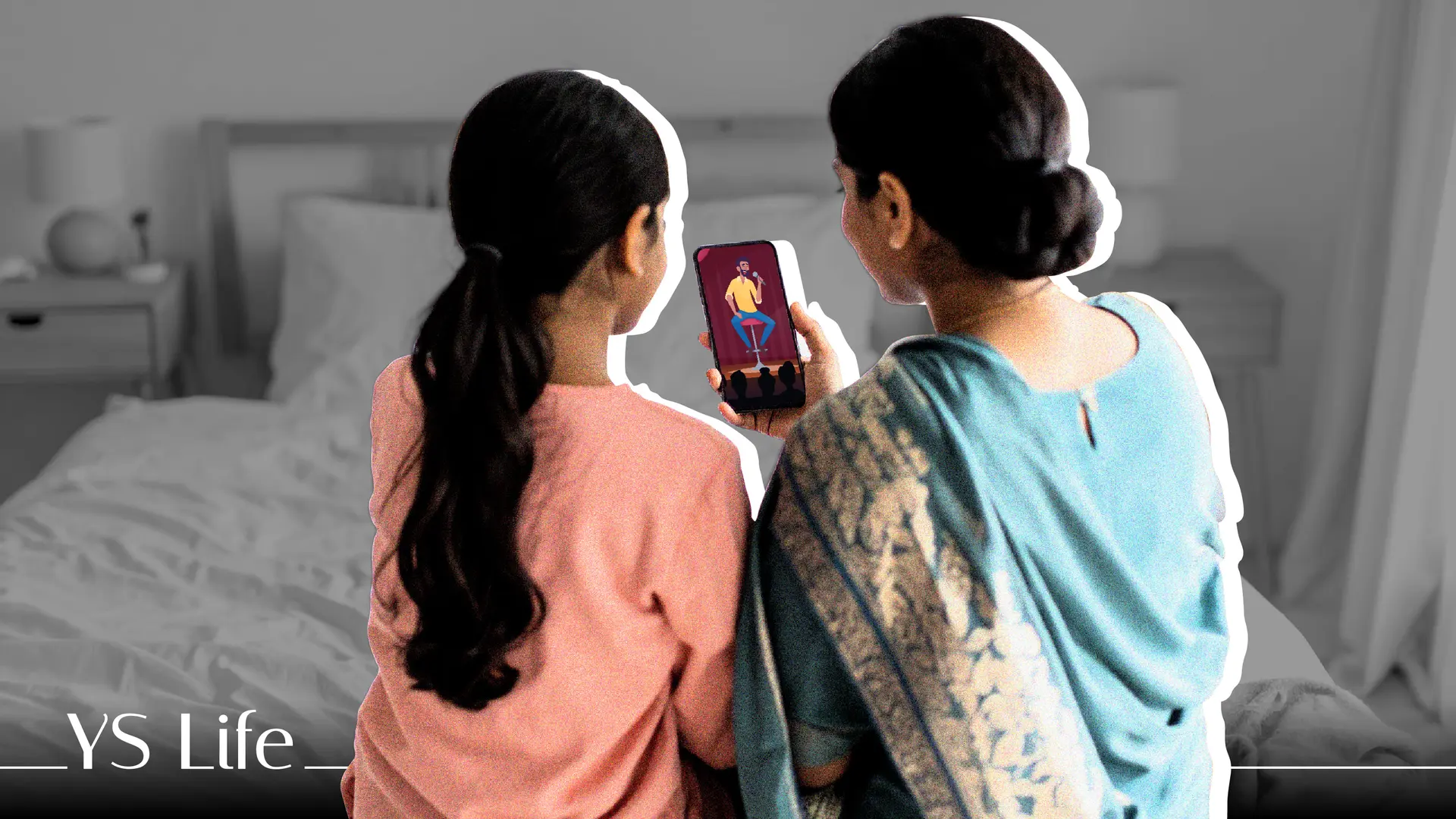

After watching Netflix’s psychological thriller Adolescence, Natasha Ahluwalia—the mother of a 17-year-old—dealt with unsettling emotions for several days. As a working parent, her busy schedule leaves little time to connect with her son during the week. With minimal communication, Ahluwalia isn’t even privy to the content her son consumes on his phone throughout the day.
“The show was an eye opener in many ways. Not only did it highlight the impact of social media on the idea of masculinity, it also raised pertinent questions on parenting. I have been trying to establish a connection with my son since I watched Adolescence, so that he can be comfortable with sharing his life with me,” she tells YS Life.
Adolescence isn’t the only production that has opened up conversations around social media pressure, mental health, and the constant need for validation.
SHADOWed, a courtroom drama inspired by the Hollywood classic Primal Fear, delves into themes of sexual abuse and power through the story of 18-year-old Aaryan, who is accused of murdering his influential uncle.
Directed by Vidushi Mehra and Samar Sarila, the play opened to a packed audience in Delhi, with several parents appreciating the content for its relevance.
Mehra, who watched Primal Fear for the first time in 1996, was only 16-years-old then. Since then, she’s watched it multiple times, most recently in December 2024.
“The film really got me thinking. Its themes are still so relevant today and with clever editing, I felt we could adapt it seamlessly within the Indian context—particularly touching on issues of sexual violence and power,” she adds.
Amid rising conversations about how young adults must navigate this toxic and impossible world, how relevant was it to showcase something like this through a theatrical act?
Mehra says, “I feel we will always be confronted with these challenges surrounding mental health. As a parent, I am constantly worried about my children’s safety and mental well-being—it’s almost paralysing.”
“Adolescents must understand the true meaning of violation and be empowered to speak up. That’s why storytelling around these topics is so important,” she adds.
A vital call to action
For many parents, it may be gut wrenching to accept the reality that their children are watching and getting influenced by social media, but shows like Adolescence help society take requisite action, says Akshita Bahri, mother of a 14-year-old daughter.
A year ago, Bahri stumbled upon her daughter watching “inappropriate content” that glorified how young girls must look a certain way to attract men. When she confronted her daughter, she was asked to stay away from her “personal life”.
“It shocked me beyond belief. But that was the first time I realised the impact of social media and OTT content is much more than we understand. After that incident, I sat down with my daughter on several occasions, reassuring her that I wasn’t snooping on her. It was only a cause for concern,” confesses Bahri.
“Fortunately, my daughter now checks with me if something is right for her to watch. Sometimes, she is insistent on seeing something even if it isn't ideal. And we watch it together,” she adds.
Mehra believes mediums like television and theatre hold the power to make audiences confront uncomfortable truths. But, she adds, it’s critical to ensure the storytelling doesn't feel preachy or overwhelming.

The cast of SHADOWed
“In the case of SHADOWed, we have struck a balance by creating a potboiler-style, entertaining play that still covers sensitive themes. That’s where the balance works, in my opinion,” Mehra mentions.
However, subjects that might be triggering for some, must be dealt with sensitivity, guided by research and expertise of qualified practitioners in the space. Interestingly, the role of the psychiatrist in SHADOWed was essayed by Preeti Agarwal Mehta, who is currently training in the practice.
“The research for this character was grounded both academically and through real-world experience. As a mature student, my passion drives me to raise awareness and spark conversations around mental health,” she adds.
“This role was a great platform to highlight the importance of access to mental health support, both personally and professionally,” Mehta highlights.
Drawing the line
While the discourse on mental health and related themes is growing, there's a long way to go to completely shatter the stigma around seeking help.
“Often, intervention comes too late, which only worsens the issue. Since children can’t independently seek help without parental consent, it’s encouraging to see that more self-aware parents are becoming open to professional support for mental health and learning disabilities—thanks in part to the influence of social media, films, and theatre,” says Mehta.
Besides, it's important for parents to step in and ensure children and adolescents understand the consequences of social media and online content. Setting rules on age-appropriate viewing is as important as regularly checking in on what their children are exploring and learning online.
“Since they are at a stage when the brain is still developing, the impact will be different than for adults and they do not yet fully have the resources and capacity to recognise dysregulation, and process and cope with the possible emotional impact,” shares independent counselling psychologist, Preeta Ganguli.
While it is obvious that children will not share everything with their parents, it's crucial to nurture an open channel of trust and communication where the child can come and talk to the parent without being scared of getting in trouble.
“Parents approaching the child with curiosity and concern instead of judgment or dismissal can help build that connection. A regular check-in of what interesting things children come across online, awareness of safety risks, and open calm discussions around these topics can help build that understanding,” concludes Ganguli.
Edited by Megha Reddy