


The rise of swipe fatigue: Why modern dating is leaving us emotionally drained
Dating apps promised connection, but for many, they’ve delivered exhaustion. As swipe fatigue sets in, more young Indians are taking a step back to reclaim clarity, calm, and real connection.

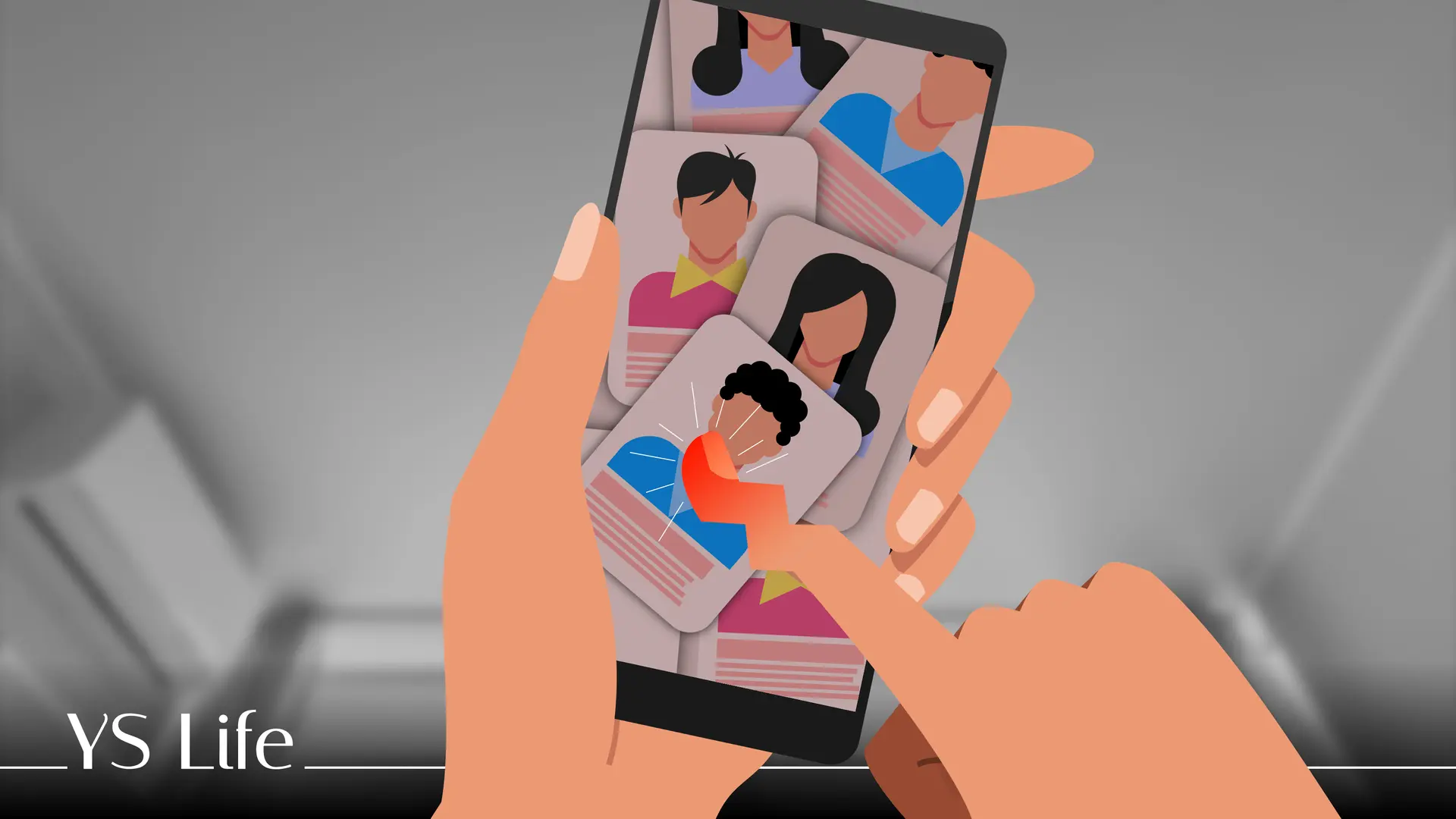

When Rhea Mehta, a 29-year-old marketing professional from Mumbai, re-downloaded her dating apps for the fourth time this year, she felt a mix of hesitation and mild annoyance. “I don’t even enjoy swiping anymore,” she admits. “But I don’t want to be the only single person in my group.”
Despite her initial enthusiasm, Mehta often cancels dates last minute or scrolls through profiles in autopilot.
She isn’t alone. The convenience of dating apps has reshaped modern romance, but an unintended side-effect has emerged—’swipe fatigue’ or dating burnout. This phenomenon is affecting young people across urban India, as the endless cycle of swiping, matching, and ghosting leaves them emotionally depleted.
According to Ishi Agarwal, a trauma-informed therapist at mental health non-profit, I Am Wellbeing, the sheer volume of choices is fuelling this exhaustion. “The more options we have, the more it becomes about analysing and shortlisting rather than connecting and feeling,” she says. “Our bodies experience a rapid churn of emotions–attraction, disconnection, guilt and loneliness—often in silence. It’s only natural for our systems to be burnt out.”

Image source: Shutterstock
Swipe fatigue isn’t always obvious, she adds. “It can show up as frustration towards the dating process or complete numbness about relationships. Some people even start questioning if they’re the problem or begin mistrusting everyone.”
What dating burnout looks like
Dating burnout manifests both emotionally and behaviourally. Agarwal explains that people may find themselves repeatedly deleting and reinstalling apps, reflecting a push-pull dynamic between hope and self-protection. “It’s like trying to solve a puzzle without the reference image, all while society pressures you with timelines. You don’t get enough time to truly explore compatibility before moving to the next option.”
Relationship counselor Ruchi Ruuh observes similar patterns in her practice. “Emotionally, dating burnout can feel like a mix of disappointment and numbness. People become overly critical, impatient, or irritable. Behaviourally, they ghost others, cancel dates at the last minute, and swipe compulsively even when their heart isn’t in it,” she says.
For 33-year-old IT consultant from Bengaluru, Anuj Khanna, this cycle became painfully familiar. “I would match with people, chat for a while, and then lose interest,” he says. “I was so worried about saying the wrong thing or being rejected that I’d disappear first. It was easier than dealing with the sting of someone ghosting me.”
Why modern dating feels so draining
The app ecosystem has given people access to more potential partners than ever, but it’s also created new stressors.
“When you’re flooded with too many options, decision paralysis sets in,” Ruuh explains. “And we’re getting conditioned to seek instant gratification–immediate replies, instant chemistry, a perfect partner who just ‘gets’ us. That’s not how real connection works.”
This culture of instant validation also skews how people perceive rejection and compatibility. “Ironically, rejection on apps feels more personal,” Ruuh notes.
“Constant micro-rejections can chip away at self-esteem. People start doubting their worth based on a few photos or matches. Compatibility is reduced to profile bios and chat banter, which can be deceptive because true connection takes time and consistency,” she adds.
Agarwal believes that for trauma survivors or those with limited experiences of safety in relationships, rejection can feel especially destabilising. “As an act of self-preservation, many reject others before they can be rejected,” she explains. “But from a trauma-informed lens, rejection is just a way of assessing alignment. It’s natural, but we need to process it with compassion and context, not fear.”
Taking a break with intention
The growing awareness of swipe fatigue has prompted many people to step away from dating apps altogether. But Agarwal says it’s important to examine the intention behind this break. “Are we trying to ‘fix ourselves’ for someone else, or are we genuinely seeking to understand and support ourselves?” she asks.
Unlike simply ‘being single’, a romance sabbatical involves conscious effort. “It’s about slowing down, much like how we build friendships,” Agarwal says. “We take time to talk, observe, and bond instead of rushing in with the expectation of finding ‘the one’ immediately. Entering any space–dating or otherwise–with curiosity and compassion can be life-changing.”
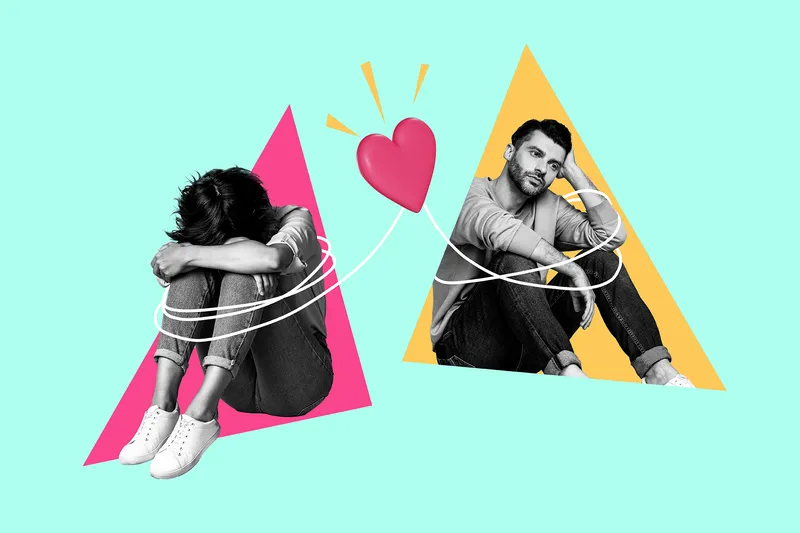
For 26-year-old advertising professional from Delhi, Nikita Sharma, this intentionality was key. “I kept dating even when I was unhappy because I felt pressured by family timelines,” she says. “Finally, I decided to pause and focus on myself. I started therapy, spent more time with friends, and reconnected with hobbies I’d neglected. It was liberating.”
Coping with societal timelines in India
In India, the pressure to find a partner by a certain age can make taking a dating break feel risky. “Marriage and procreation end up becoming the ultimate goals, and anything less is unacceptable,” Agarwal says. “It’s crucial to separate your own needs from external voices. Reflect on which expectations are yours and which are from society.”
Ruuh agrees, adding that therapy can help unpack this guilt. “We have to stop measuring our worth by timelines that weren’t designed for our individuality,” she says. “Redefine what your personal timeline looks like. Build a support system—friends, family, professionals—who validate your choices rather than undermine them.”
Building resilience and returning to dating
If you’re experiencing dating burnout, both experts recommend starting with yourself. “Explore your sense of self, your likes and dislikes, your nervous system responses,” Agarwal suggests. “Not with the intention of fixing or changing yourself, but with curiosity about what makes you, you.”
Ruuh advises a digital detox as a first step. “It reduces app fatigue and frees up emotional bandwidth for in-person interactions,” she says. “Mindfulness practices like yoga or dance, and spending time with friends who make you feel seen, can also restore your energy.”
When you’re ready to return to dating, the key is to do it from a place of choice, not compulsion. “If dating feels like a burden, it’s not the right time,” Ruuh notes. “You should feel genuine curiosity about connecting with someone, not pressure or panic. Another sign you’re ready is that rejection doesn’t sting the way it used to because your self-worth isn’t tied to external validation anymore.”
Approach dating with intention and clarity. Take things slow, have longer conversations, prioritise emotional connection over instant chemistry, and resist the urge to label or define the relationship too soon. “If you feel drained or anxious after a date, pause and reflect,” Ruuh says. “Don’t lose yourself in the pursuit of someone else. Keep up with the hobbies, friendships, and routines that bring you peace.”
Reclaiming joy in the search
Ultimately, the antidote to swipe fatigue lies in reframing what dating means. It’s not about winning a game or racing against a timeline, but about cultivating authentic connections—starting with yourself.
As Agarwal sums it up: “Go slow and dip your toe in the water before taking the plunge. Take one day, one interaction, one emotion at a time. Your body will tell you when it’s ready. And when you date from that grounded place, the process becomes less about pressure and more about possibility.”
For many young adults today, this perspective shift has already begun. “I’m learning to be kinder to myself,” Mehta says. “Dating still feels complicated, but I’m no longer rushing. For the first time in years, that feels like enough.”
Edited by Affirunisa Kankudti