



Come for the food, stay for the stories: Tijouri celebrates India’s forgotten kitchens
Conceptualised by siblings Sanithra and Kaushik Raju, Bengaluru-based Tijouri brings the taste of grandmother’s kitchen to a fine dining setup.

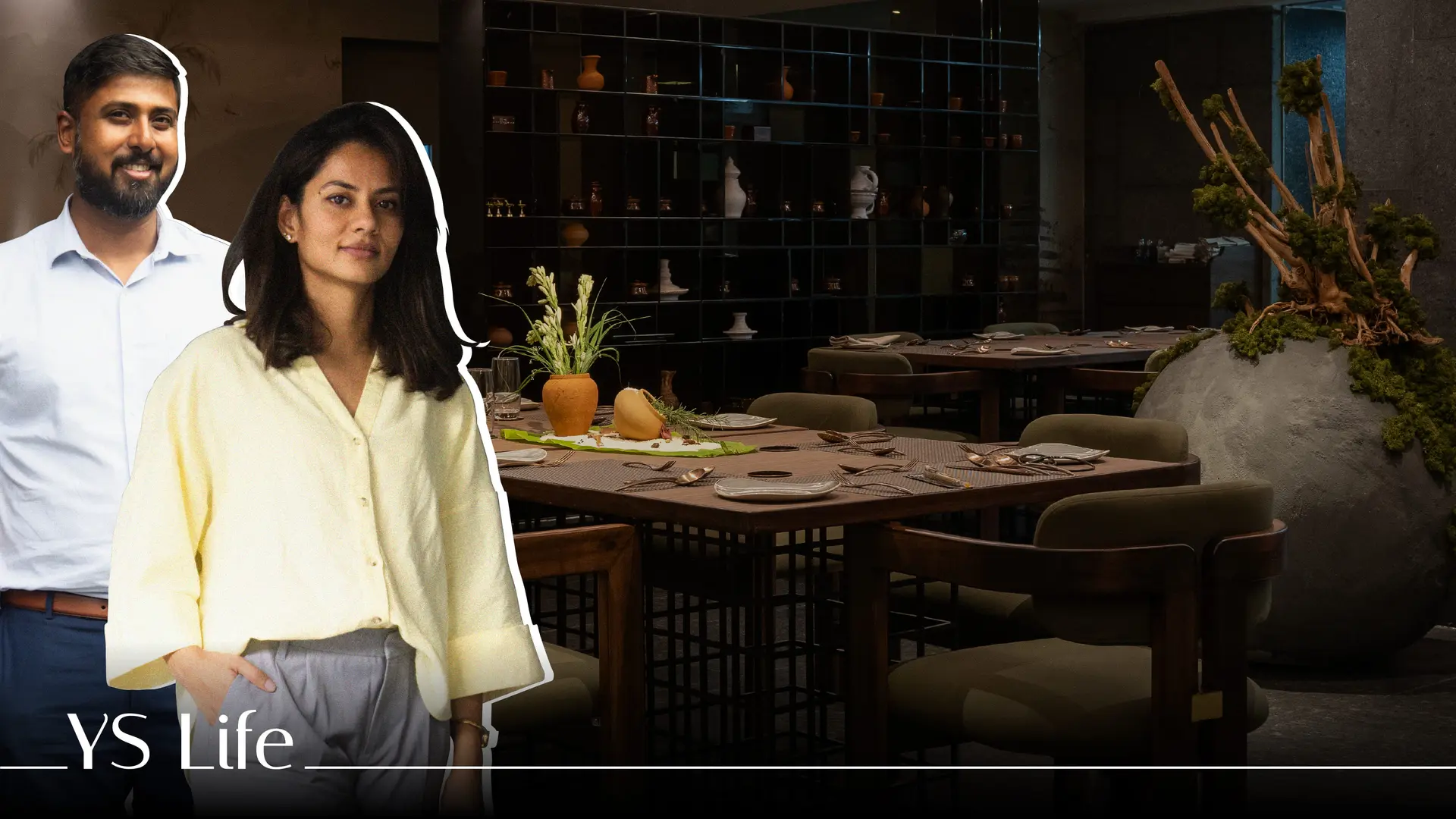

Growing up, dining out was reserved for special occasions—academic achievements, celebrations, and festivities. Weekends were for gathering at a friend’s house, sharing stories over a generous spread of home-cooked food.
The tables have turned today—intimate, home-style meals have now become a rare occasion. In fact, “We don’t cook half the things that we grew up eating,” Kaushik Raju, Founder of Farmlore—the winner of the American Express One to Watch Award 2025 by Asia’s 50 Best Restaurants—chimes in.
This is when Kaushik, along with his sister Sanithra Raju, decided to bring back the joy of a celebratory home-cooked meal, but in a fine-dining setup. “We wanted people to experience the kind of food you’d only taste if you were invited into someone’s home,” says Sanithra.
A year ago in July, the siblings launched Tijouri—a unique pop-up space that celebrates India’s home chefs and micro-cuisines. Think Garhwali, Kathiawadi, Kongu Nadu, Bihari, and Kashmiri Pandit cuisines—Tijouri serves forgotten recipes with a side of history and storytelling.
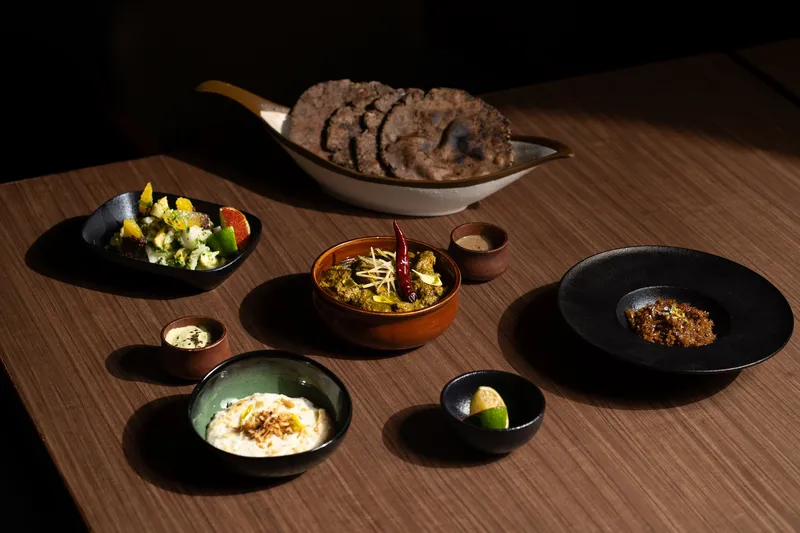
Uttarakhand's food
“...A dish a grandmother might make for a festival or something that’s cooked only during a particular season. For us, it’s about making sure these recipes don’t get lost,” Sanithra adds.
Nestled within the Radisson Blu Atria, Tijouri highlights a new chef and a new micro-cuisine in its pop-up every month. For the rest of the month, the space serves as a restaurant, featuring a menu comprised of the ‘best-sellers’ from each pop-up.
An edible time capsule
The word Tijouri means ‘treasure chest’ in Hindi, and it rightly fits the restaurant.
Each pop-up feels like an unveiling of a family’s kitchen secrets. “Every dish is like a story—an edible time capsule,” Kaushik says, adding that a lot of food he grew up eating is not prepared regularly anymore.
“Half of our grandmothers’ recipes are actually lost over time… We never took any interest (in the recipes) back then. Sure, my mom makes some, but there's also a lot that she doesn’t know exactly… And, we realised there were so many like us who don’t realise this,” Sanithra adds.
The desire to archive and relive lost culinary memories led the duo to the idea of Tijouri, and soon evolved into a hunt for home chefs.
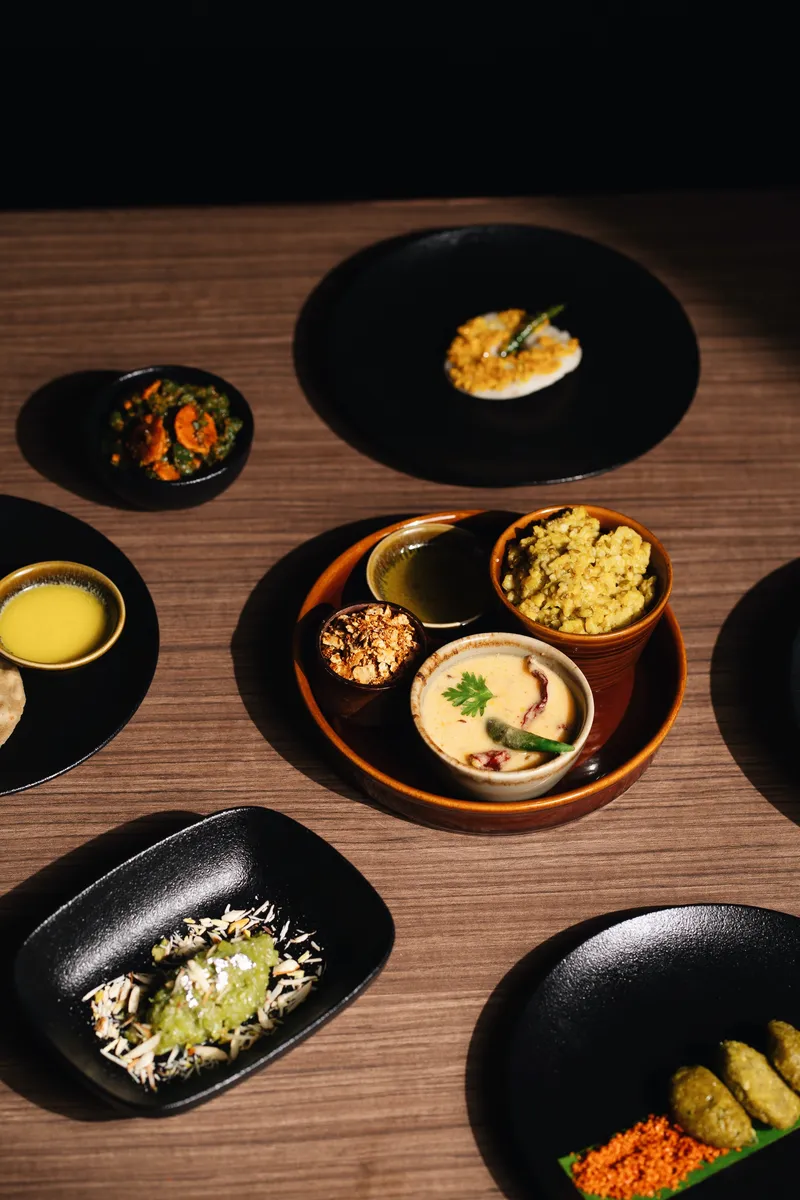
Kathiawadi food

There’s always a lot of storytelling that comes through home chefs—from family history to a memory a particular dish evokes. For diners, it often evokes their own memories. “At one pop-up, many guests told our chef that a dish reminded them of a beloved person in their life… these are edible memories,” Kaushik recalls.
A lot of research goes into each month’s event, and Tijouri sets up the table or ambience accordingly—a flower arrangement or kolam reflecting a region. The founders encourage each chef to bring a piece of their heritage and culture and place it on the shelves inside the restaurant. “It’s like having a mini-museum,” Sanithra says.
A platform before a restaurant
Unlike traditional restaurants, Tijouri runs on impermanence. It’s a different chef, a different cuisine, and a different story—every month.
“The approach may be different for each chef, but the core remains the same: to serve really delicious food,” says Kaushik. “For home chefs, this isn’t just a job. It’s an offering of their culture, their memories, and their homes,” he adds.
Behind the scenes lies a meticulous process of selection. The team pays close attention to the story a chef wants to share and the passion they bring to the kitchen. Word of mouth and recommendations also play a big role in the process. The team conducts a trial with the chef before each pop-up to better understand them and their cuisine and to promote them more effectively on social media ahead of the main event.
“We are not looking for people who can plate perfectly or use the fanciest ingredients. What matters to us is their love for what they cook and the story behind it,” Sanithra explains.
Although rooted in Indian culinary traditions, Tijouri has also hosted Sri Lankan and Persian home chefs settled in India, who have personal connections to the subcontinent. “Interestingly, these chefs reached out to us, which made it feel organic rather than something we specifically sought out,” she adds.
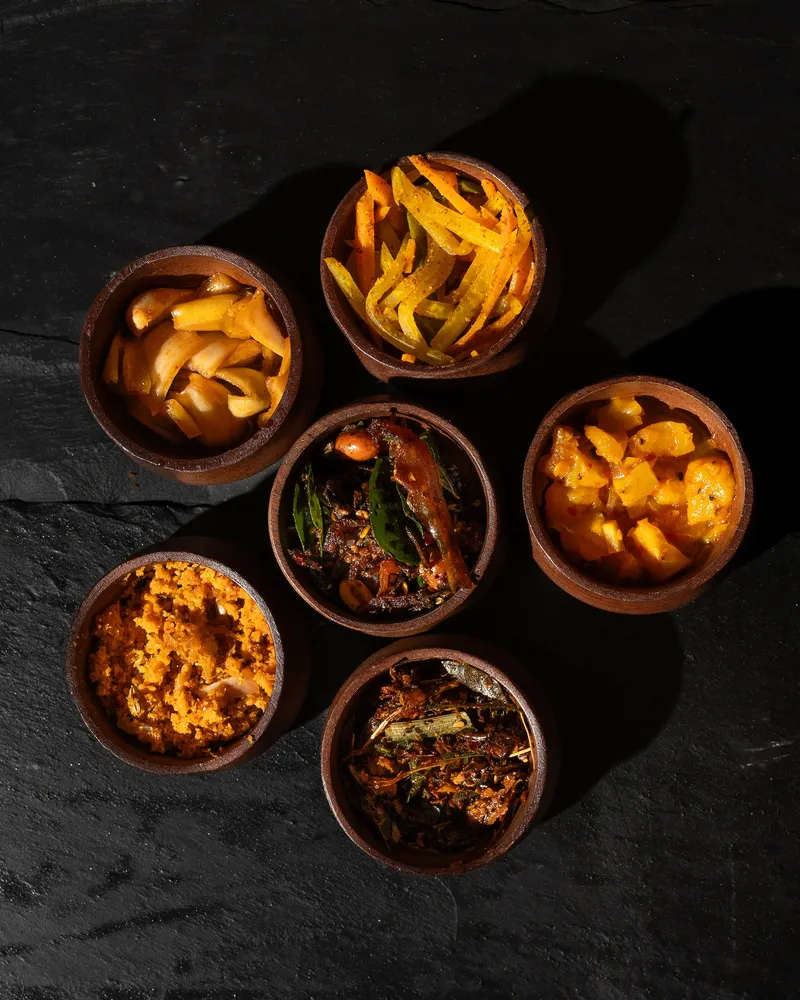
Sri Lankan Sambal
The rotational model—a new chef and cuisine every month—also brings along operational challenges. The biggest hurdle for the team continues to be keeping food costs under control, especially since they often source regional ingredients to ensure the authenticity of the recipes.
Agility, however, Kaushik explains, remains the core strength of the team. “Our team can learn new recipes and techniques quickly, often within a day or two,” he adds.
Pop-ups at the 30-seater Tijouri are usually priced at around Rs 3,000, “a sweet-spot where people are willing to spend to try something new, but it’s still accessible,” Sanithra shares. Adding that non-vegetarian pop-ups sell better than vegetarian spreads.
Beyond the pop-up
In a city like Bengaluru, with its floating crowd and diverse population, Tijouri seems to offer more than just a fine-dining experience—it’s a taste of home. “If not your home, somebody else’s home,” Sanithra says.
A year into the venture, Tijouri now retains recipes from each pop-up, usually the best-sellers, to create a permanent menu. “It’s kind of like the best of all pop-ups,” she adds.
Going forward, there’s more in the pipeline—a cookbook of forgotten recipes and catering experiences. There’s no plan to take these pop-ups to other cities yet. “I think we have got lots to cover in terms of the number of home chefs and cuisines we want to showcase,” Kaushik concludes.
Edited by Suman Singh