



Why pop culture matters more than ever in India
Pop culture in India has gone from quiet fandoms to cultural dominance, fuelled by cinematic universes, streaming platforms, and fan-driven communities.

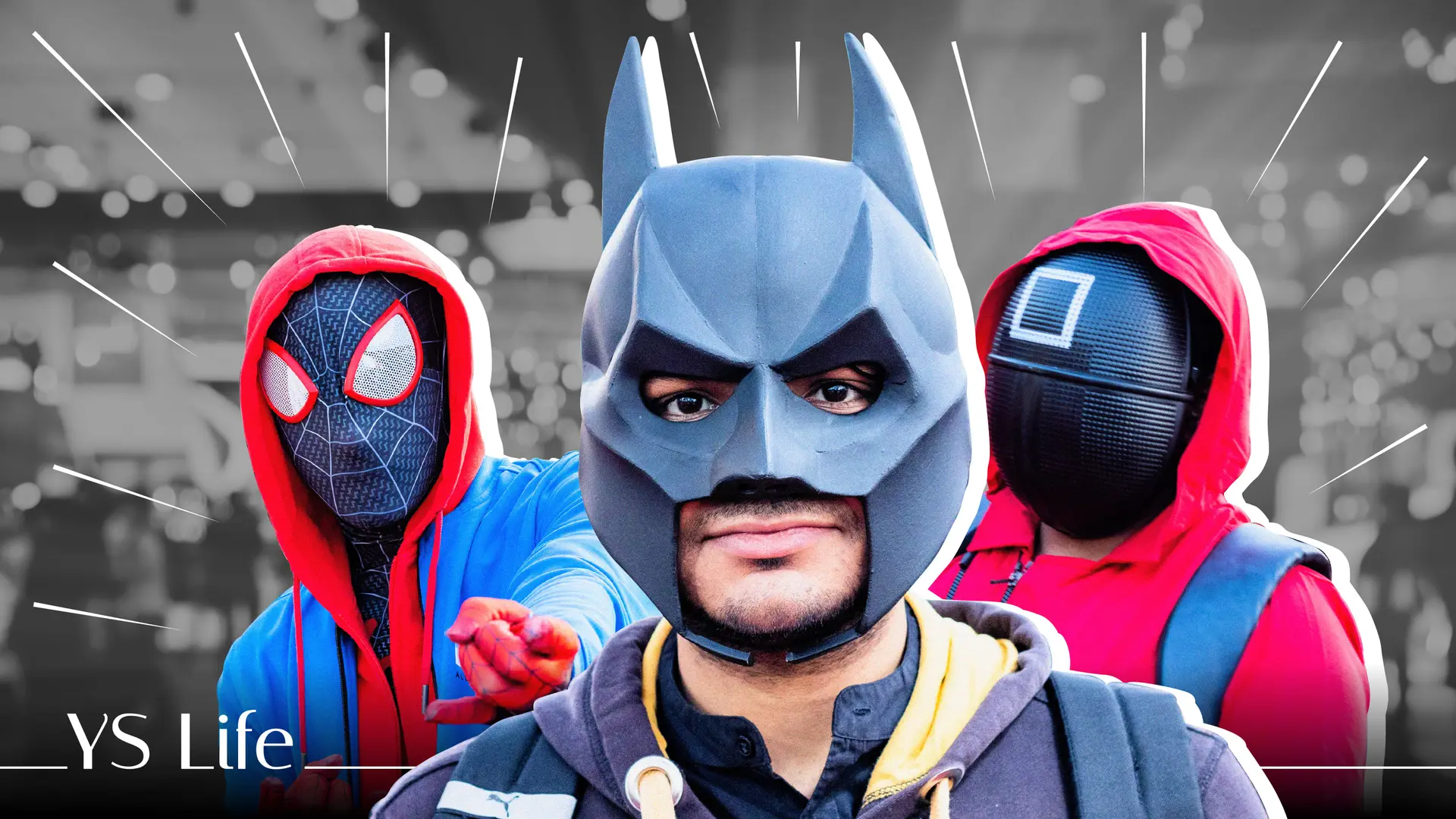

There was a time when being into comics, video games, or anime was something you kept to yourself. You had a small group, maybe an online forum, or one bookstore that stocked the obscure stuff you loved. For the longest time, pop culture in India lived on the sidelines.
But over the last decade, things began to change. Slowly, and then all at once, fandom became mainstream. The comic book reader, the anime obsessive, the gaming streamer, the cosplayer—these were no longer fringe identities. They were culture.
Today, pop culture isn’t an escape from the mainstream. It is the mainstream.
What Changed?
This shift wasn’t accidental. In India, the mainstreaming of fandom happened because of a very specific mix of trends coming together.
Firstly, cinematic universes did the heavy lifting. Whether you walked into this world through the Marvel Cinematic Universe or Baahubali, what stood out was the scale. These weren’t just films. They were worlds. And once audiences got a taste of that kind of narrative depth, they wanted more.
Not just the main storyline, the spin-offs, the backstories, the Easter eggs, the fan theories. People didn’t want to consume. They wanted to immerse themselves.
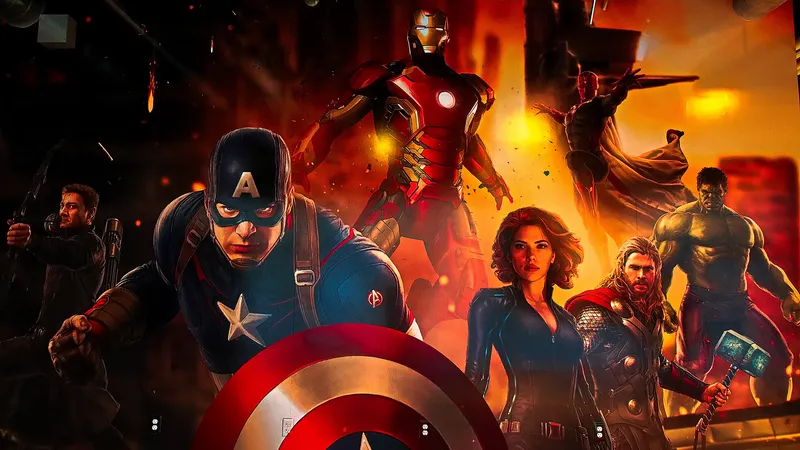
Image source: Shutterstock
Secondly, streaming democratised access. A decade ago, you had to dig to find a good anime or an indie show. Now, it finds you, dubbed, subtitled, and algorithmically served. Platforms like Netflix, Crunchyroll, and Disney+ Hotstar made niche content available at scale. Suddenly, it didn’t matter if you were the only K-drama fan in your school. You were part of a massive, connected fandom the moment you logged on.
Thirdly, licensing, merchandise, and the IP boom further fuelled the growth of pop-culture in India. One of the biggest business stories in pop culture has been the explosion of IP-based marketing. Companies realised that characters, worlds, and lore had more long-term brand value than a one-time campaign. With that came an explosion in licensed merchandise, tie-ins, and fan-targeted content. Everything from apparel to cereal boxes became part of the pop culture economy.
And finally, social media gave fans a megaphone. A fan with 5,000 followers and a strong opinion can shape a conversation faster than a press release. Fan service is no longer a bonus; it’s built into the marketing plan.
Studios and brands now pre-empt fan reactions and tweak strategy accordingly. In India, we saw this most clearly with shows like The Family Man and Mirzapur where memes, fan theories, and behind-the-scenes content created entire subcultures.
From my vantage point at Comic Con India, I’ve watched this evolution up close. What started as a handful of people showing up for a shared love of comics, turned into thousands of fans creating their own lanes—cosplay meetups, DnD sessions, anime screenings, gaming tournaments. And not just in metro cities.
The internet didn’t just grow the audience. It built infrastructure. And that’s what turned casual viewers into serious fans.
What comes next
There’s a bittersweet truth in all this. Being geeky used to be a niche rebellion. You had to really want it. Now, it’s a mainstream aesthetic. Every brand wants to ‘speak fandom.’ Every marketing campaign wants to be “for the fans.” And while that visibility is powerful, it also changes the culture.
The same communities that once found belonging in obscurity now find themselves defining the trend cycle. It’s the revenge of the nerds—and maybe, just maybe, they’ve taken over too much.
This moment is still unfolding. Pop culture in India is no longer a borrowed space. Indian creators are building new IP, adapting mythology in modern formats, and exporting it globally.
The next phase is not about bigger events or louder drops. It’s about giving fans more than just content. It’s about giving them ownership. Pop culture no longer whispers in India. It leads.
(Jatin Varma is the former CEO and Founder of Comic Con India)
Edited by Megha Reddy
(Disclaimer: The views and opinions expressed in this article are those of the author and do not necessarily reflect the views of YourStory.)