



Ditch the to-do list: proven strategies for productivity
Your to-do list may be keeping you busy but not productive. Discover why it fails and learn smarter strategies to finally get things done.

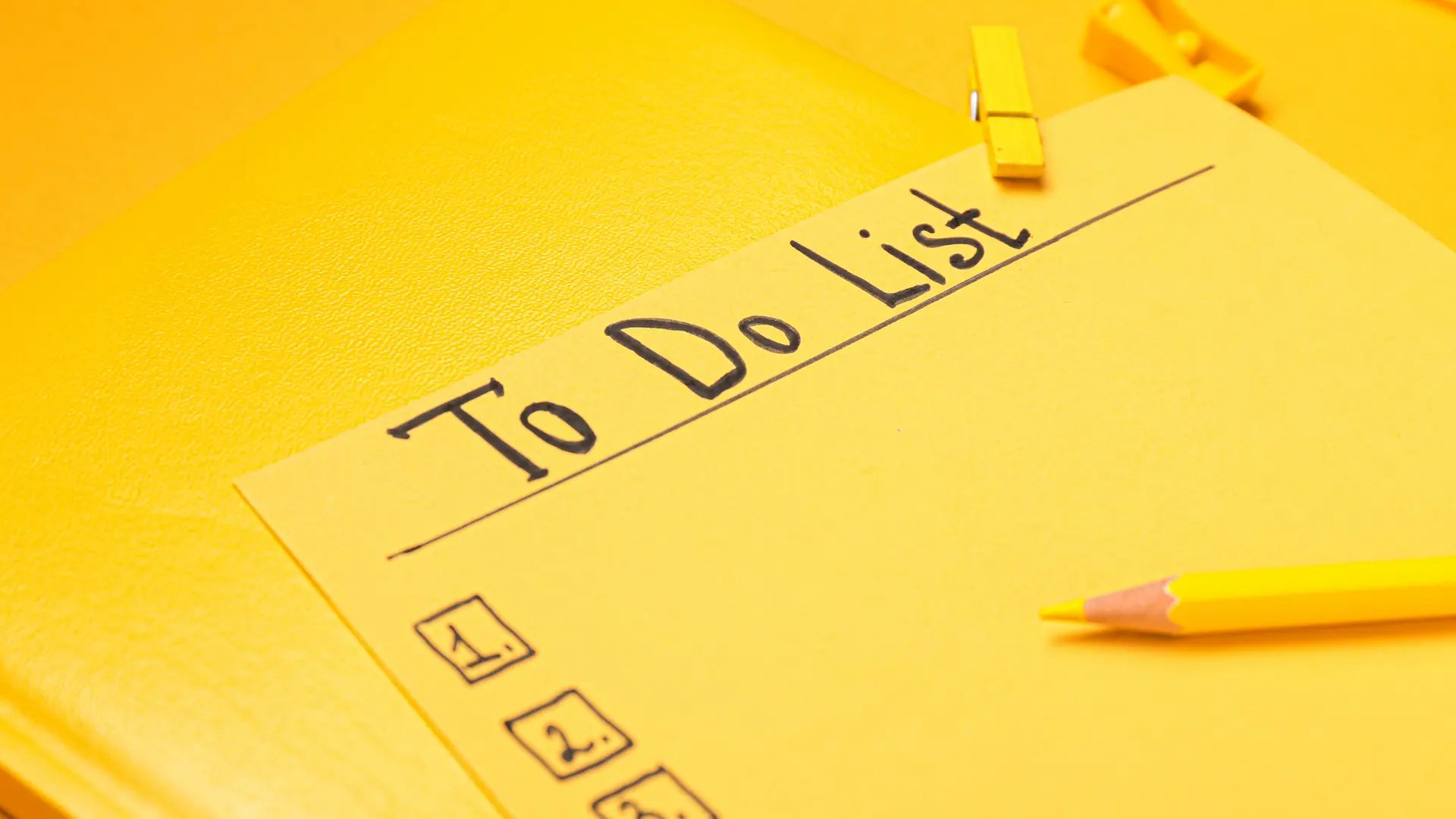

In almost every workplace or household, the humble to-do list has long been treated as the ultimate productivity tool. It’s quick, easy, and promises a sense of control. A list neatly captures every task—big or small—that demands attention. At first glance, it feels empowering: all responsibilities are laid out in one place, waiting to be checked off. Yet, despite its popularity, research and lived experience tell a different story. Instead of driving productivity, to-do lists often fuel stress, procrastination, and a lingering sense of failure.
Why does this happen? The issue lies not in the act of writing tasks down, but in the way to-do lists function. By design, they focus on recording “what needs to be done” without offering clarity on “when” or “how” it should be accomplished. In practice, this leads to overloaded lists, a lack of prioritisation, and the familiar cycle of tasks rolling over from one day to the next. What begins as a productivity aid can quickly turn into a source of overwhelm.
Why to-do lists fail?
No prioritisation
On a to-do list, every task looks the same—whether it’s preparing a critical client presentation or picking up groceries. With no clear hierarchy, it’s easy to waste energy on low-impact tasks while the important ones get delayed.
Too much clutter
When a list balloons beyond 10–15 items, it becomes overwhelming. Instead of giving clarity, it creates pressure. The longer the list, the harder it is to know where to start—often leading to paralysis or procrastination.
Lack of time context
To-do lists tell you what needs doing, but rarely when or how long it will take. Without time attached, you’re left guessing, often underestimating or overloading your day. This gap between tasks and execution is where productivity breaks down.
Guilt and procrastination
Tasks that don’t get completed usually just roll over to the next day. Over time, this carryover builds guilt and frustration. Instead of motivating you, the list becomes a reminder of what you didn’t achieve, which can push you to avoid it altogether.
What to do instead?
1. Time blocking over listing
Replace task lists with a calendar-based system. Assign specific time slots to each activity—for example:
- 9–11 AM: Draft project proposal
- 11–11:30 AM: Respond to emails
- 3–4 PM: Team meeting
This ensures tasks are tied to execution rather than left as passive reminders.
2. The 1–3–5 rule
Adopt a balanced approach to daily planning:
- 1 big task: The most impactful activity of the day.
- 3 medium tasks: Important but manageable responsibilities.
- 5 small tasks: Quick wins that build momentum.
This method prevents overload while keeping progress consistent.
3. Prioritise with the Eisenhower Matrix
Classify tasks into four quadrants:
- Urgent & Important
- Important but Not Urgent
- Urgent but Not Important
- Neither
The key is focusing on the first two categories, rather than getting trapped in busywork.
4. Batch similar tasks
Group similar activities—emails, phone calls, errands—into one block of time. This reduces context-switching fatigue and helps maintain efficiency.
The impact of smarter systems
Replacing traditional lists with structured methods such as time blocking, the 1–3–5 rule, and batching leads to measurable improvements:
- Clearer prioritisation of work
- Fewer tasks carried over to the next day
- Reduced stress and guilt from unfinished items
- Increased productivity in fewer working hours
Final thoughts
To-do lists are useful for capturing tasks, but they fall short as execution systems. By integrating frameworks that add time, priority, and structure, individuals and teams can transform daily planning into real progress.
The goal isn’t to check off boxes—it’s to move forward on what matters most. Next time you reach for a to-do list, consider asking: Am I only listing tasks, or am I managing my time effectively?