



Preparing today’s workforce for an AI tomorrow: upskill, learn, and be curious
In a masterclass session, Nishit Narang, Professor at BITS Pilani, layed out the framework to help prepare today’s workforce to adapt to artificial intelligence and how decoding human skills, creativity, and adaptability can drive intelligence transformation across enterprises.

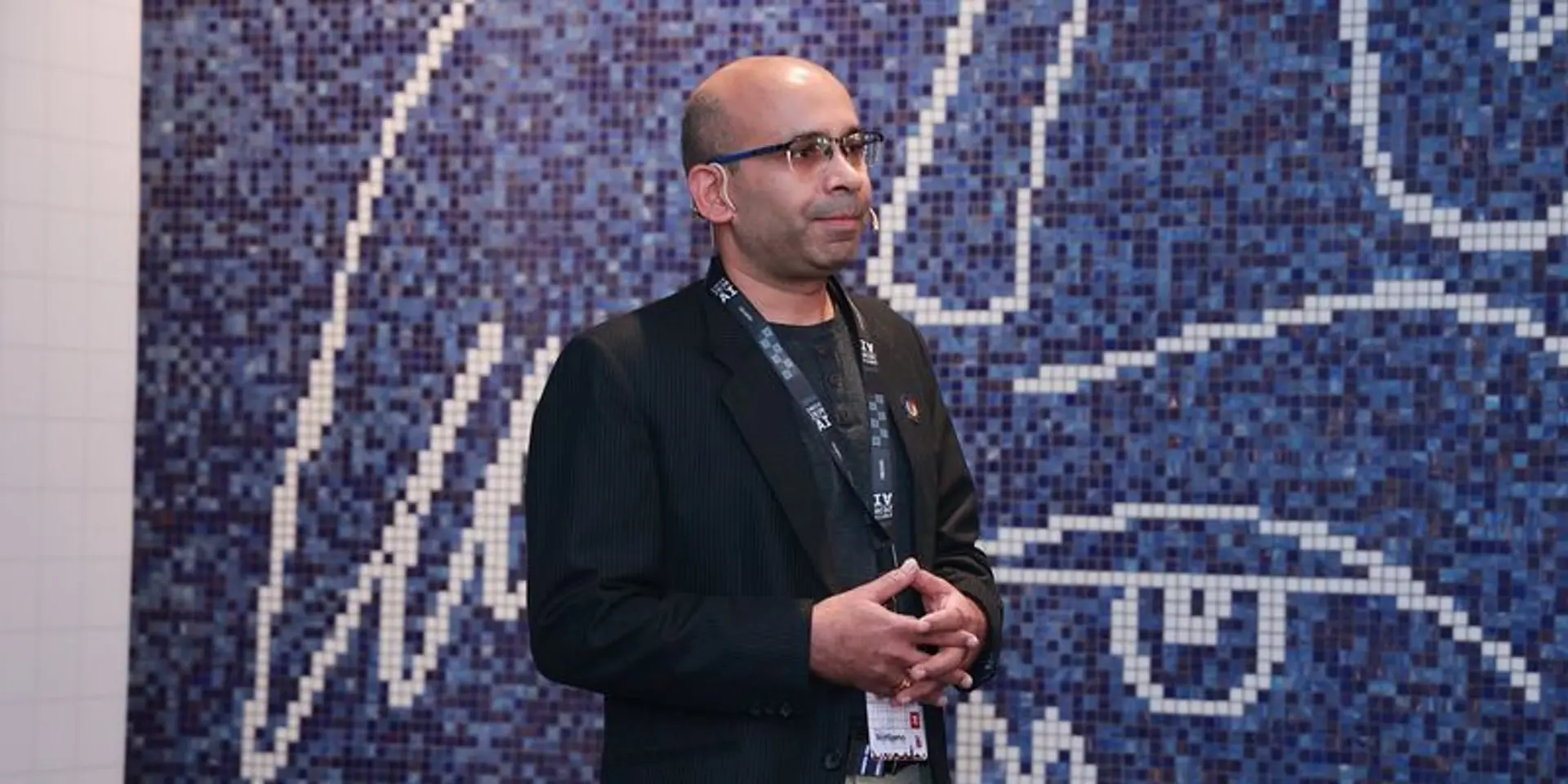

The age of AI is here and enterprises are struggling to understand how to ensure their teams are AI-ready. In a masterclass session, held by BITS Pilani’s Professor Nishit Narang as part of the institution's work integrated learning program (WILP), attendees at TechSparks 2025 were able to understand how to upskill their employees to thrive in the age of AI.
Over the past 46 years, BITS Pilani’s WILP programme has collaborated with more than 1,047 organisations and currently has 50,117 working professionals enrolled. To date, 136,904 professionals have graduated from the programme, of which 5,350 hold leadership positions such as CEOs, founders, global heads, presidents, and directors across various companies.
Drawing on this training experience, Narang laid out the roadmap to recognise and train AI-ready people, which included identifying agility and flexibility. He added that AI-ready professionals can adapt quickly to changing environments and workflows to stay effective.
“Professions who are AI-ready are the ones who are agile and flexible. They don’t fear change. They are rather adapting to the change. They can learn and keep up with the changing environment. They know it's important to remain work effective,” he said.
These individuals keep learning and can pursue ongoing learning programmes to upskill and help inform themselves about current advancements in the field of AI. A key trait of these individuals is that of emotional intelligence as it is important for these professionals to have the readiness to collaborate effectively with AI systems.

Narang noted that even as AI evolves and becomes better over time, it is very important to differentiate between human capabilities and what machine intelligence can bring to the table. “Creativity is something that is essential to humans.” Another thing is a human being’s problem solving capability.
Organisations that will excel in effectively integrating AI in their workplace will be those firms that have a strategy to enhance a collaboration between people and AI.
Another important point highlighted during the masterclass was that workplaces need to nurture a learning environment for their workforce to understand AI and learn how to enhance productivity as opposed to fearing the technology. “Fostering adaptability, fostering digital curiosity amongst our workforce is extremely important for modern workplaces.”
This learning environment will automatically encourage trial and error and this is something workplace leaders need to ensure and for this to happen, leaders themselves must model this learning behaviour.
Other traits Narang highlighted during the class was that of cyber security awareness and data analysis. “Data is the new oil. We want to gather insights and analyse data and use it.” These traits will help organisations and the workforce achieve India 2030, powered by AI.

Edited by Megha Reddy