



From K-dramas to coffee culture: How Monika Alcobev is betting on trends before the hype
After importing 100% agave tequila since 2018, Monika Alcobev is now betting big on Korean soju and Spanish liqueur. Its growth strategy is simple: spot the cultural shift early, stock the shelves before the demand peaks, and expand beyond the metros before the competitors catch up.


In India’s premium alcobev market, consumption trends are no longer shaped solely by price points or bar menus. Increasingly, they are driven by travel, pop culture, and global exposure.
For Monika Alcobev, an importer and distributor of premium alcohol brands, this cultural shift is its growth strategy.
Two of Monika Alcobev’s recent additions—Korean soju ‘Jinro’ and Spanish liqueur ‘Licor 43’, offer a clear view into how the company thinks about growth. Neither brand is positioned merely as a new SKU; both are anchored in broader cultural movements already playing out in India.
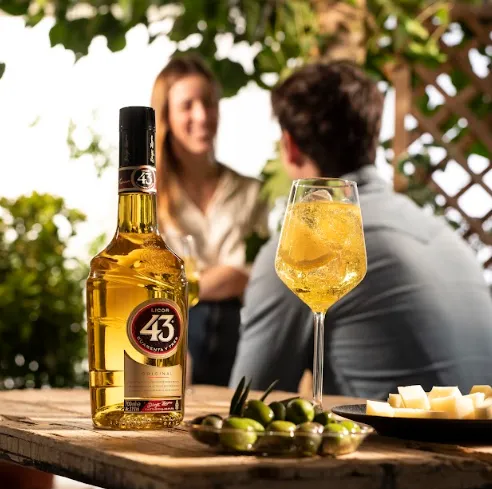
Licor 43
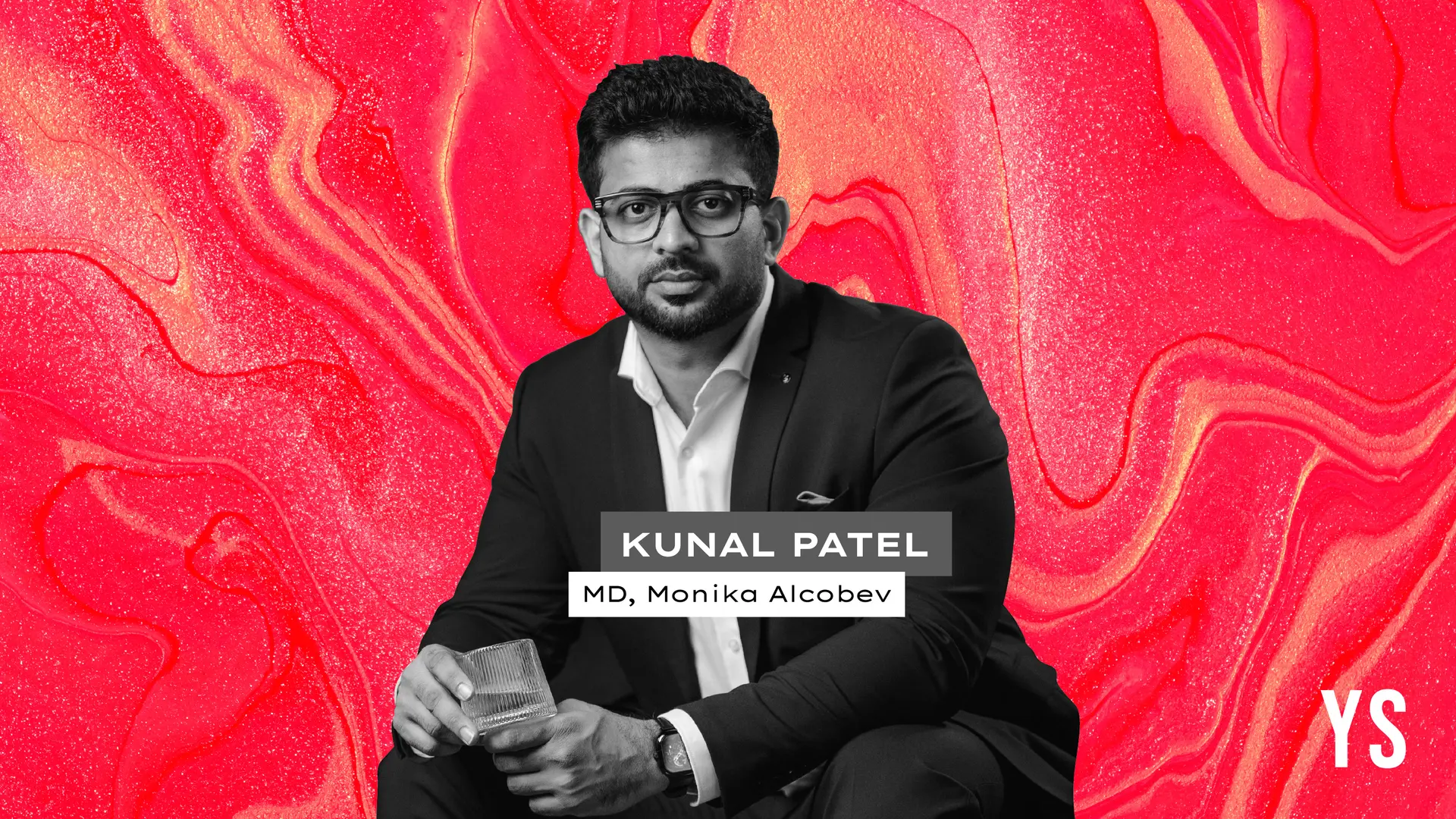
“We are India's top importers catering to independent brands from across the world, serving as a platform for sales, marketing, and distribution in India,” says Kunal Patel, Managing Director, Monika Alcobev. “We want to maintain that position and get as far as we can go in the coming future.”
The Mumbai-based brand today sits at the intersection of global culture and Indian aspiration. For Patel, the way forward is clear—anticipate cultural shifts early, build scale, and ensure that when the Indian palate evolves, the required brands are already on the shelves.
Culture before category
Its latest launch, Licor 43, taps into the country’s growing coffee and cocktail culture.
“There’s a signature drink called Carajillo 43, made with one part Licor 43 and one part coffee,” explains Patel.
With coffee consumption in vogue and cocktail experimentation rising, he calls the timing “perfect.”
In fact, the Indian coffee liqueur market is witnessing a surge with homegrown brands, like Quaffine and Bandarful, crafting liqueurs or ready-to-drink beverages using single-estate Arabica. Heritage names like Old Monk are also keeping pace with the trend by releasing its own coffee rum.
Jinro, on the other hand, represents a deeper cultural bet. “We've seen a surge in Korean restaurants, K-music, K-pop, K-drama, and Jinro relates to all of it,” Patel says. “It is a part of Korean culture… a majority of big K-dramas feature Jinro.”
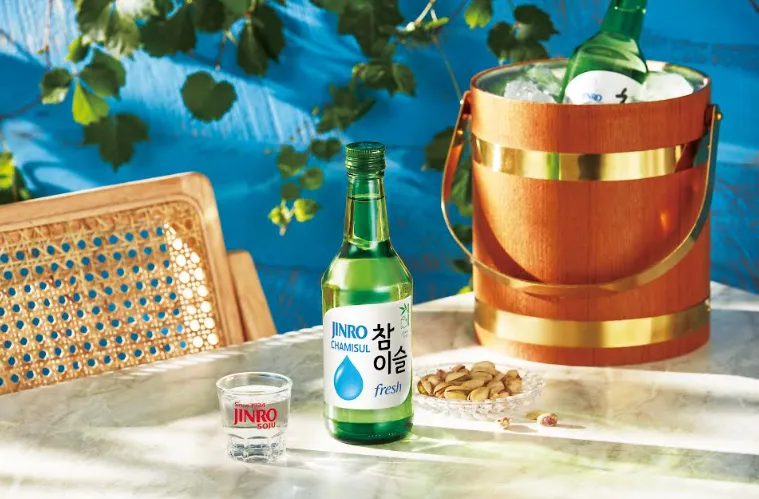
Jinro Chamisul Soju
For Patel, the inflection point came from an unexpected place. “The turning point for me was when I saw McDonald's get a regional Korean menu for the first time. That's when I realised Korean culture is going to be big.”
But are these trends short-lived hypes or here to stay? YourStory asks Patel, who is convinced the trend is durable. “Korean culture will stay because the flavour profile matches Indian taste buds. Jinro is going to be great.”

Tracing the roots
Founded in 2015 as Monika Enterprises by Bhimji Nanji Patel, and incorporated as Monika Alcobev Ltd in 2022, the company has emerged as one of India’s largest independent importers in the spirits and wine category.
Headquartered in Mumbai, Monika Alcobev operates across the HORECA, retail, and travel retail channels in India, the Maldives, Nepal, Sri Lanka, and Bangladesh. Its team of over 250 manages a portfolio of more than 100 global brands.
It’s Rs 165.63 crore SME IPO in July 2025—oversubscribed 4.1 times—marked a decisive turning point. Patel believes the move was driven by long-term conviction rather than a liquidity event.
“Imported spirits and wines are just scratching the surface of the market; it can be multiple exits higher than where it is today,” he says. “The industry is just shaping up, and the IPO gives us enough firepower to go at the speed we want.”
That momentum is reflected in the numbers. Over the last three years, Monika Alcobev has grown at a steady 30–35% annually, closing the most recent first half at nearly 40%.
According to the RoC (Registrar of Companies) filings accessed by YourStory, Monika Alcobev recorded Rs 23,614 lakh turnover in FY24-25—up 24.81% from Rs 18,920 lakh in FY23-24.
Patel believes the premium liquor category has enough headroom to sustain this pace well into the next decade.
The Tier II shift
Travelling post the pandemic has fundamentally altered Indian consumption behaviour. “After COVID-19, people started consuming more quality over quantity, value over volume,” Patel says, adding that global exposure is no longer limited to metros.
Consumption now follows a trickle-down curve.
“If Mumbai was drinking scotch whiskeys 10 years ago, and Nagpur was drinking domestic brands, now Nagpur has started drinking what Mumbai used to drink, and Mumbai has gone ahead towards tequila,” Patel explains.
Over the next decade, he expects Tier II and III markets to replicate today’s Tier I behaviour. This belief is shaping Monika Alcobev’s 2026 priorities.
“The first priority for us is to increase our reach, i.e., getting into Tier II markets and Tier I markets where we weren't available before with more brands,” Patel says.
The plan includes deeper distribution, larger on-ground teams, and expanded marketing presence beyond metros.
What’s fading, what’s rising
Monika Alcobev’s long-standing bet on tequila underscores its preference for categories with staying power.
“We are one of the largest tequila players in India, by far,” Patel says, noting that the company introduced 100% agave tequila as early as 2018 before it became a buzzword.
Tequila’s advantage, he argues, lies in its simplicity.
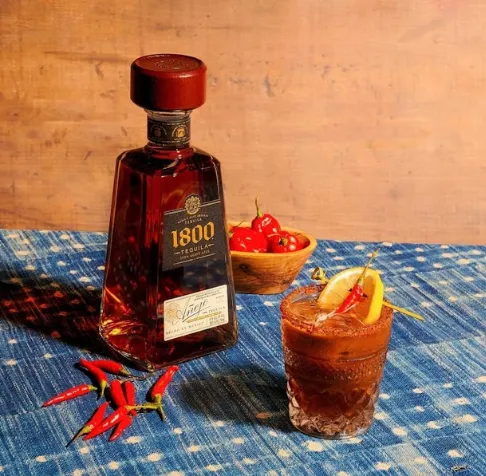
Tequila1800 Anejo
“Gin was complicated, too much happening in your mouth with all the botanicals,” he says, referring to the gin boom in India. Tequila, by contrast, is “sessionable,” versatile, and easy on the palate.
While the hype has softened, Patel is unequivocal: “The hype is coming down, but the business and market share are going up.”
Imported rum, on the other hand, faces structural challenges due to pricing and domestic loyalties (Old Monk and Bacardi).
“It will happen, but I see it happening in the next three to five years,” Patel says, referring to the dying rum hype. He says it is a niche, metro-only play for now.
Gin, meanwhile, has exited its hype phase. “As a hype, gin is almost gone,” he says, while emphasising that its real business has grown significantly since before 2020.
Looking ahead, Patel sees liqueurs as the next major growth engine, driven by India’s expanding cocktail bar ecosystem. Whiskey, too, is entering a new phase, beyond the usual scotch, into bourbons, Irish, rye, and even Australian expressions.
“This strong sub-trend in whiskey is coming in 2026-2027,” he says, adding, “because it's whiskey, it will stay for a decade at least.”
(The article was updated to fix a spelling error.)
Edited by Suman Singh