



5 Teachings from Essentialism about doing less but better
Discover 5 powerful teachings from Essentialism that can help you focus on what matters, avoid burnout, and do less but better.

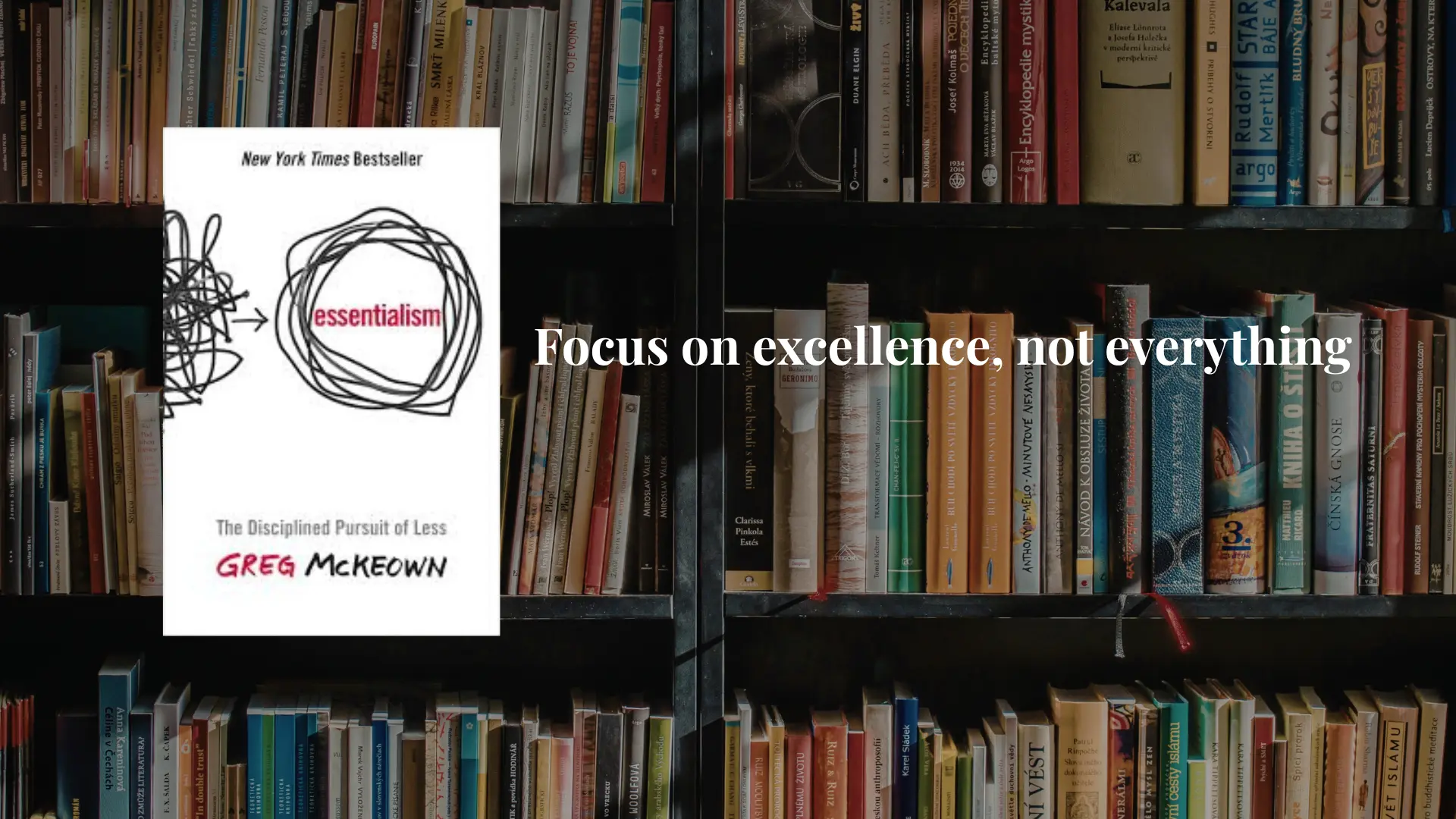

Modern life often feels like a race to stay busy. People juggle endless tasks, packed schedules, constant notifications, and high expectations while trying to stay productive. Yet despite doing more than ever, many still feel overwhelmed and exhausted.
The truth is, doing more does not always mean doing better. Saying yes to everything often takes energy away from what truly matters, leaving you busy without making meaningful progress.
This is where Essentialism: The Disciplined Pursuit of Less by Greg McKeown offers a refreshing perspective. Instead of teaching you to do more, the book asks a simple question: What if success comes from doing fewer things but doing the right things better?
At its core, Essentialism is about focusing your time and energy on what truly matters. If you constantly feel mentally overloaded or stretched too thin, here are 5 powerful teachings from Essentialism about doing less but better.
5 Key takeaways from Essentialism
1. Not everything deserves your attention
One of the biggest lessons in the book is simple but uncomfortable: not everything matters equally.
People often treat every opportunity, task, or request as equally urgent. But this mindset creates overwhelm. Essentialism encourages readers to separate the truly important from everything else.
Instead of asking, “How can I do it all?” the better question becomes: “What actually matters most?” Learning to prioritise creates clarity and reduces mental exhaustion.
2. Saying no is a form of self-respect
Many people struggle with saying no because they fear disappointing others.
But constantly saying yes often leads to burnout, resentment, and loss of focus. The book teaches that every “yes” to something unnecessary becomes a quiet “no” to something meaningful.
Protecting your time and energy is not selfish; it is essential. Learning boundaries allows you to show up better for what truly deserves your attention.
3. Busy does not always mean productive
Modern culture often rewards busyness. But being constantly occupied does not necessarily mean meaningful progress is happening.
Essentialism challenges the belief that more effort automatically equals better results. Sometimes, slowing down and focusing deeply on fewer priorities creates stronger outcomes than endlessly multitasking.
This teaching feels especially important for people who constantly feel exhausted yet unfulfilled.
4. Create space for what matters
The book repeatedly emphasises something many people forget: space matters.
Constant busyness leaves little room for reflection, creativity, or rest. But meaningful ideas often emerge during quiet moments. Protecting time for thinking, rest, and intentional work helps improve both focus and emotional well-being.
Doing less often creates more clarity, not less progress.
5. Focus on excellence, not everything
Trying to be good at everything often means becoming great at nothing.
Essentialism encourages intentional trade-offs. Instead of spreading energy across too many priorities, focus deeply on what truly matters and pursue excellence there.
This lesson feels freeing because it removes the pressure to constantly keep up with everything. You do not have to do it all; you simply need to focus on what matters most.
Final thoughts
Essentialism: The Disciplined Pursuit of Less offers an important reminder in a world obsessed with doing more: sometimes, less really is more. The goal is not laziness or avoidance; it is intentional focus.
By learning to prioritise, say no, protect your energy, and focus on what truly matters, life often becomes calmer and more meaningful. Because success is not always about doing everything, it is often about doing the right things, better.