



6 Books that explore the connection between art and emotions
Discover 6 books that explore how art connects with emotions, revealing creativity, human experiences, and the feelings behind every masterpiece.

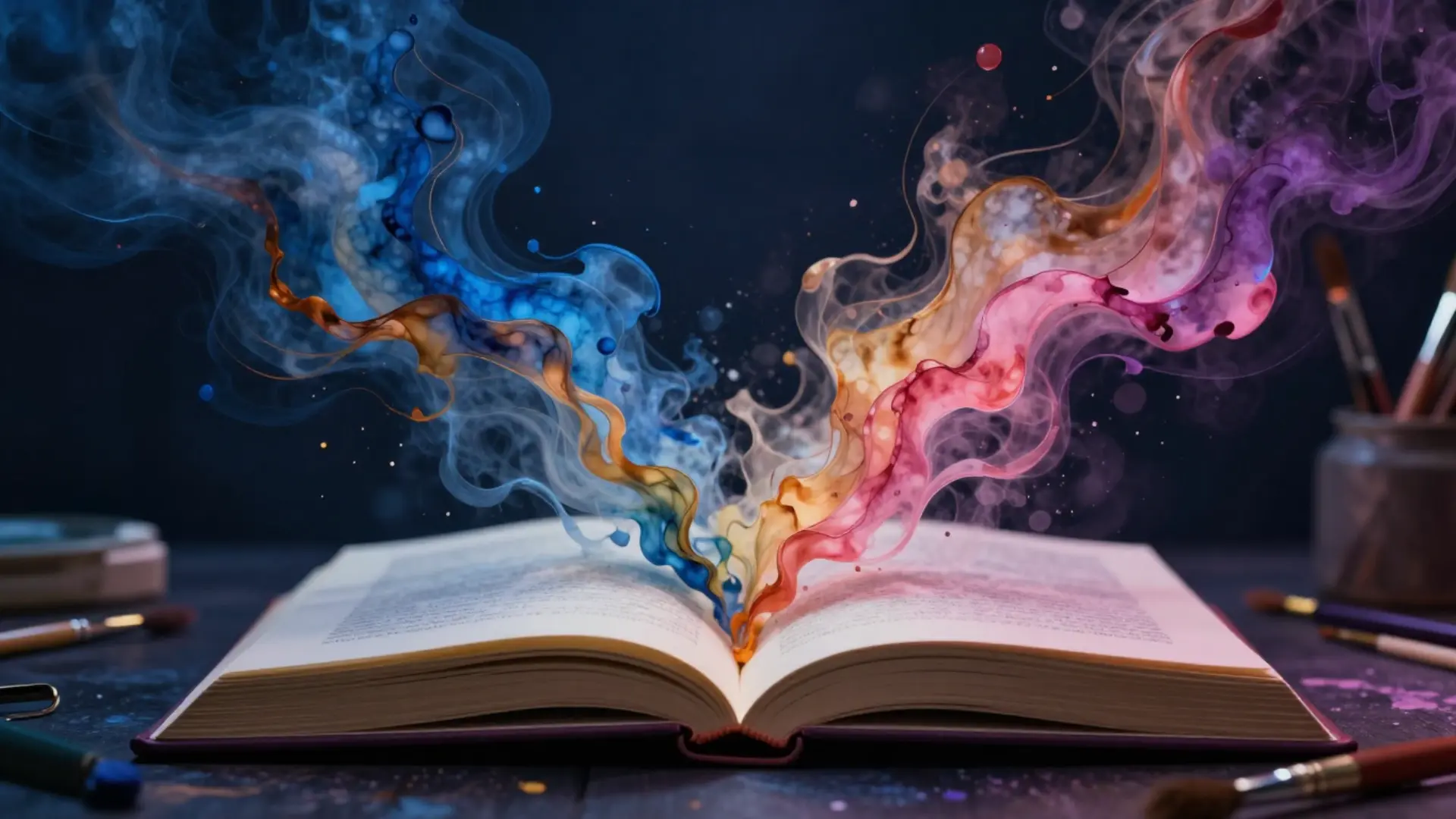

Art has always been more than colours, shapes, sounds, or words. It is a language that expresses what people often struggle to communicate. A painting can capture grief, a melody can hold memories, and a story can reveal emotions hidden deep within the human mind. Across centuries, artists have used their creations to process experiences, understand themselves, and connect with others.
The relationship between art and emotions has fascinated psychologists, philosophers, and writers for generations. Some believe art reflects our inner world, while others see it as a powerful tool for healing, self-discovery, and emotional expression.
6 Books exploring the connection between creativity and emotion
1. The Story of Art by E.H. Gombrich
The Story of Art explores the evolution of art and how human emotions, beliefs, and experiences have influenced artistic movements throughout history. Gombrich explains that art is not created in isolation. Every painting, sculpture, and artistic style reflects the society and emotions of its time.
From ancient cave paintings to modern masterpieces, the book shows how artists have used creativity to express fear, hope, spirituality, love, and human curiosity. The book helps readers understand that behind every artwork is a story about human emotion and the desire to make sense of the world.
2. Ways of Seeing by John Berger
Ways of Seeing examines how people interpret images and how art influences the way we understand ourselves and society. Berger challenges the idea that seeing is simply a passive act. According to him, our emotions, experiences, and personal backgrounds shape the way we view art.
A single image can create different feelings and meanings for different people. The book explores how paintings communicate emotions beyond their visual appearance and encourages readers to look deeper into the relationship between art, perception, and human feelings.
3. The Art Spirit by Robert Henri
The Art Spirit focuses on the emotional and personal side of creating art. Henri believed that true art comes from understanding oneself and expressing genuine feelings. Rather than focusing only on technical skills, the book highlights the importance of passion, observation, and individuality.
Henri encourages artists to create work that reflects their emotions and personal experiences. It shows that art becomes meaningful when it carries the personality and emotions of its creator.
4. Art as Therapy by Alain de Botton and John Armstrong
Art as therapy explores how artworks can help people understand emotions, relationships, and everyday struggles. The authors explain that art can serve practical emotional purposes.
A painting can remind us of patience, a sculpture can represent strength, and an image can help us process feelings that are difficult to express. The book presents art as a source of comfort, reflection, and emotional growth rather than something only meant for admiration.
5. The Power of Art by Simon Schama
The Power of Art explores the lives and works of influential artists while showing how emotions shaped their creative journeys. Schama presents artists as individuals who responded to personal struggles, historical events, and human experiences.
Their works often reflected emotions such as suffering, ambition, love, and imagination. The book demonstrates how art can preserve emotional moments and allow future generations to experience the feelings behind important works.
6. The Emotional life of your brain by Richard J. Davidson and Sharon Begley
The emotional life of your brain explores the science behind emotions and how the brain shapes our responses to experiences, including creative expression. Although the book focuses on neuroscience, it provides insight into why humans are naturally drawn to artistic activities.
It explains how emotions influence attention, memory, and perception, which are all essential parts of artistic experiences. Understanding emotions through science helps readers appreciate why art has such a powerful effect on the human mind.
How art connects us with our emotions
Art gives people a way to explore emotions that cannot always be explained through ordinary conversation. Whether created by an artist or experienced by an audience, art creates a bridge between inner feelings and external expression. These books reveal that art is not only about beauty or creativity. It is about understanding human experiences, preserving memories, processing emotions, and finding connections with others. Through paintings, stories, music, and creative expressions, people discover new ways to understand themselves and the world around them.