



Anxiety is the dizziness that comes with freedom to choose
Explore Kierkegaard’s idea that anxiety can arise from freedom, choice, and possibility, and discover how uncertainty shapes our lives.

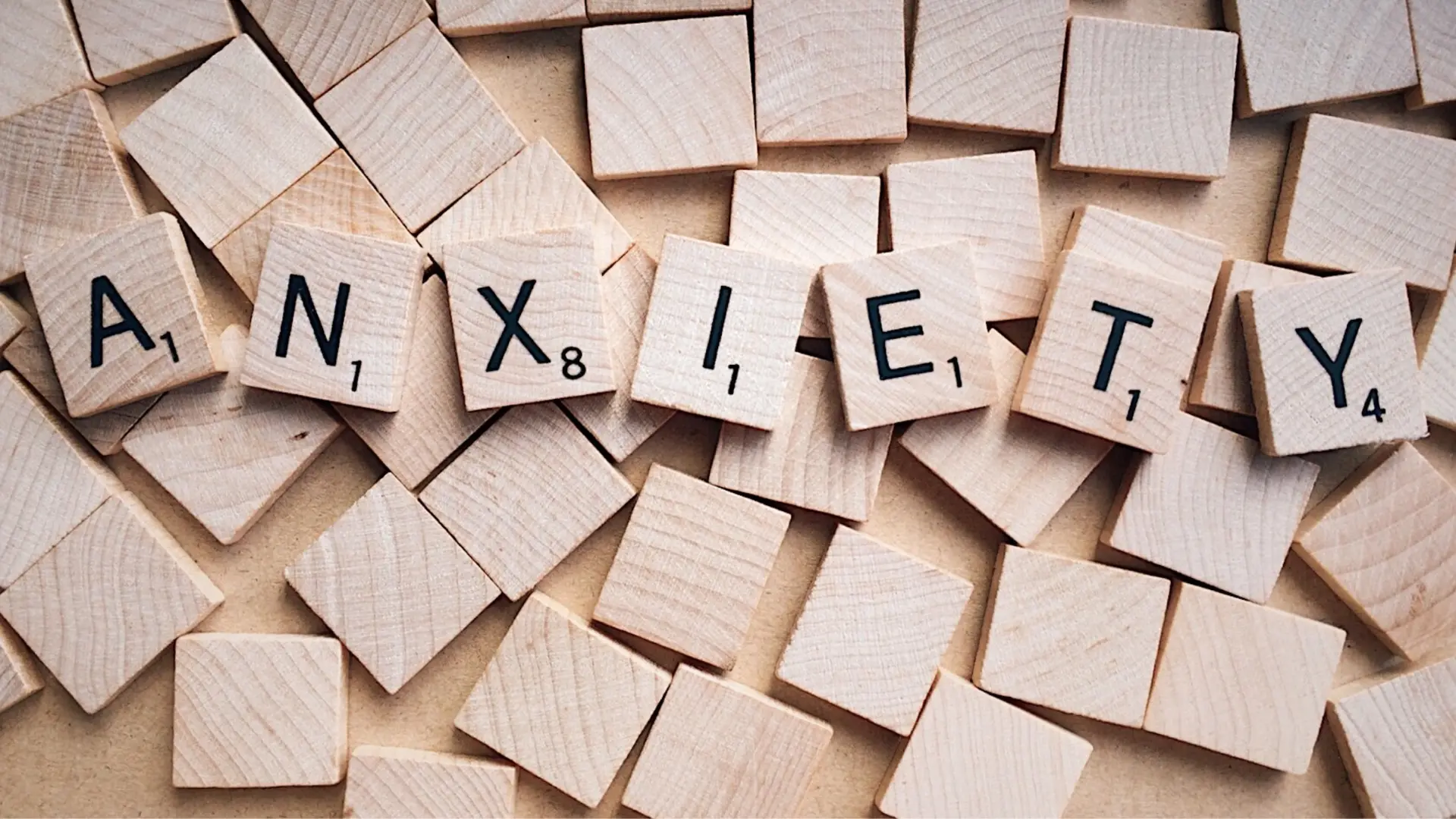

Freedom is often described as one of life's greatest gifts. The ability to choose where we go, what we pursue and who we become gives our lives meaning. Yet philosopher Søren Kierkegaard suggested that freedom can also create a strange form of anxiety. His famous idea that “anxiety is the dizziness of freedom” captures the unsettling feeling that can appear when we realise just how many possibilities are open to us.
Having choices sounds liberating, but choices also bring uncertainty. When there is no single path we must follow, we are left responsible for deciding which path to take. That responsibility can feel exciting, but it can also feel frightening.
The fear behind endless possibilities
Anxiety does not always come from something going wrong. Sometimes it comes from realising that something could happen. A person considering a new career may worry about failing, but they may also feel anxious because several different futures are possible.
The mind begins imagining every outcome. What if I choose incorrectly? What if I regret this decision? What if another option would have been better? The more possibilities we imagine, the harder it can become to make a decision.
Choice creates responsibility
Freedom means having choices, but choices also require responsibility. Once we understand that our decisions can influence our lives, choosing can become emotionally demanding.
This is particularly noticeable during major life transitions. Choosing a career, moving to a new place, ending or beginning a relationship, or deciding what kind of life to build can feel overwhelming because there is no perfect answer. We must eventually choose despite uncertainty.
The illusion of the perfect decision
Modern life often makes decision-making even more complicated. We have access to endless information, opinions and alternatives. Before choosing a career, for example, someone can read hundreds of articles, watch countless videos and compare dozens of possibilities. More information does not always create more confidence. Sometimes it creates greater hesitation. We begin searching for a perfect decision that guarantees happiness and prevents regret. Such a decision rarely exists.
Every meaningful choice involves some uncertainty. Accepting that fact can make freedom feel less frightening.

Anxiety can reveal what matters
Anxiety is uncomfortable, but it can sometimes reveal the importance of a decision. We usually do not feel deeply uncertain about choices that have no significance to us.
Someone may feel nervous before starting a business because the decision matters. Another person may feel anxious about confessing their feelings because the relationship matters. The anxiety itself can reveal that we are standing before a possibility that could change something important.
The goal is not necessarily to eliminate every feeling of uncertainty. Sometimes it is to understand what that uncertainty is telling us.
Avoiding choices does not remove uncertainty
When choices become overwhelming, it can be tempting to avoid them. We postpone decisions, allow circumstances to decide for us or remain in familiar situations simply because they feel safer.
Avoidance can provide temporary relief, but it does not necessarily resolve the underlying uncertainty. Eventually, another decision may appear. Choosing not to choose is often still a form of choice, and it can shape our lives just as much as deliberate action.
Accepting uncertainty makes freedom easier
Freedom becomes easier to handle when we stop demanding certainty before taking action. We rarely know exactly how a decision will turn out. What we can do is gather reasonable information, consider our values and make the best decision available to us.
After that, we have to accept that some outcomes remain beyond our control. This acceptance does not mean being careless. It means understanding that uncertainty is an unavoidable part of having choices.
Freedom also creates possibility
The same freedom that creates anxiety also creates opportunity. Because the future is not completely predetermined, we can change direction, learn new skills, build new relationships and pursue goals that once seemed impossible.
If there were no uncertainty, there would also be little room for surprise. The unknown can be frightening because it contains possibilities we cannot predict, but those possibilities can also lead to growth.
Learning to live with the dizziness
Kierkegaard's idea remains relevant because modern life gives people more choices than ever. We are constantly asked to decide what to study, where to work, whom to trust, what to believe and what kind of life to create.
Feeling anxious about these possibilities does not necessarily mean that something is wrong. Sometimes it means that we recognise the weight of being free to choose. The challenge is learning not to let uncertainty prevent us from living.
Freedom requires courage
Freedom is not simply the absence of restrictions. It is also the responsibility of deciding what to do with the possibilities available to us. That responsibility can create anxiety, but it can also create a meaningful life.
The “dizziness of freedom” reminds us that uncertainty is part of being able to choose. We may never have complete confidence that we are making the perfect decision. But we can still choose thoughtfully, accept uncertainty and move forward.
Perhaps the answer to the dizziness of freedom is not to search endlessly for certainty. It is to develop the courage to live with uncertainty while continuing to choose