



10 Lessons from The Book of Joy about lasting happiness
Discover 10 timeless lessons from The Book of Joy on lasting happiness, compassion, gratitude, resilience, and finding meaning in difficult times.

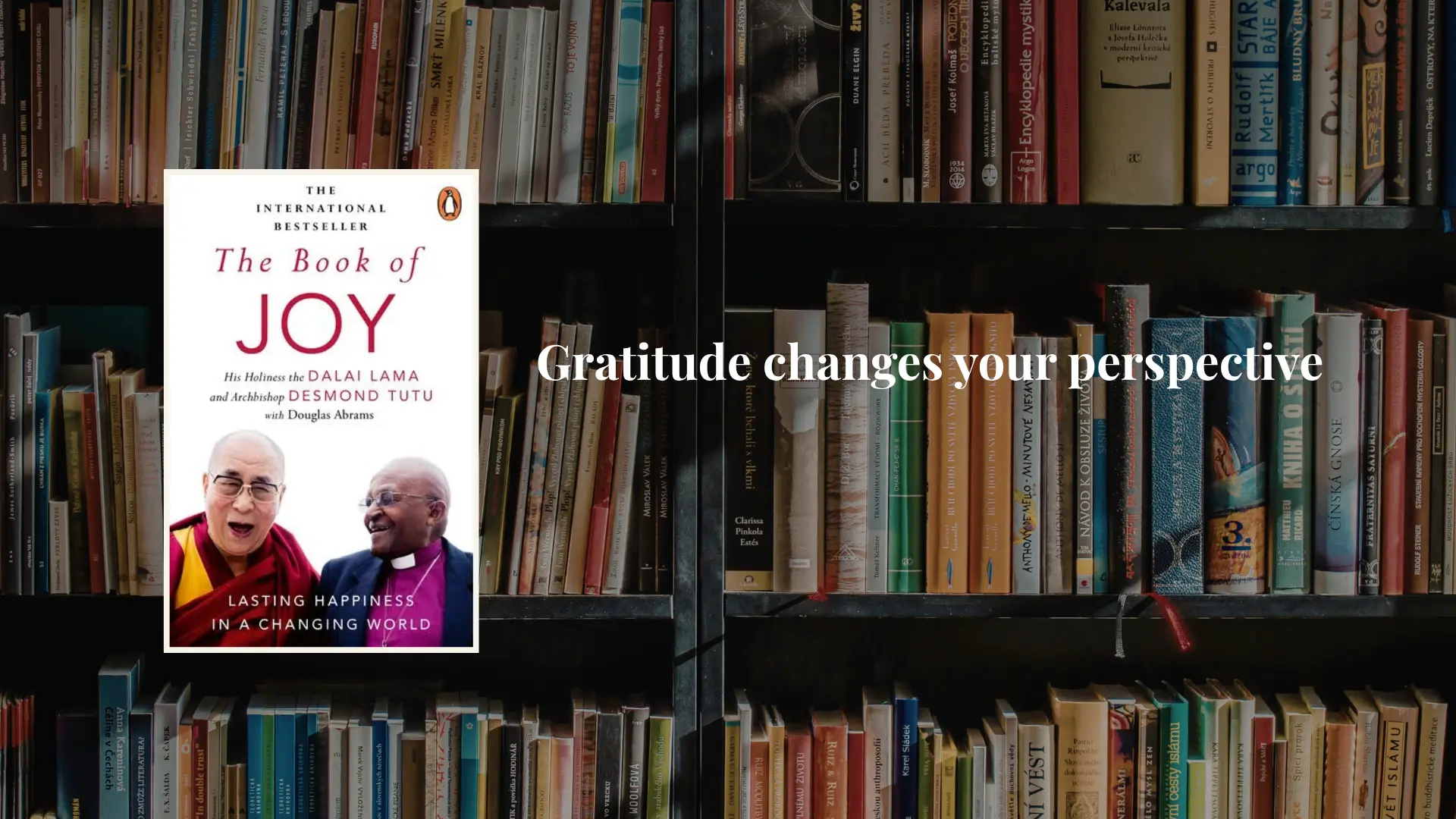

Happiness is often treated as something that arrives when life finally becomes perfect.
We imagine that more money, fewer problems, greater success, or better circumstances will automatically make us happier.
The Book of Joy, written by Douglas Abrams and based on conversations between the Dalai Lama and Archbishop Desmond Tutu, offers a very different perspective.
The book explores how joy can exist alongside suffering, uncertainty, and disappointment. Instead of waiting for life to become easier, the authors encourage readers to develop qualities such as compassion, gratitude, forgiveness, acceptance, and generosity.
10 Important lessons from The Book of Joy about lasting happiness
1. Joy can exist alongside suffering
The book challenges the idea that happiness requires a life without pain. The Dalai Lama and Archbishop Tutu both experienced tremendous hardship, yet they continued to find reasons for joy. Their perspective shows that suffering and happiness are not necessarily opposites.
A person can acknowledge pain while still appreciating love, beauty, friendship, and the simple experiences that make life meaningful.
When something goes wrong today, allow yourself to acknowledge the difficulty, then deliberately identify one thing that is still good in your life.
2. Compassion makes us happier
Compassion is presented as more than an act of kindness toward others. Caring about other people's struggles can also reduce our tendency to become trapped in our own worries.
When we shift some attention away from ourselves and toward the needs of others, our problems can feel less consuming, and our sense of connection can grow.
Do one small act of kindness today without expecting recognition or anything in return.
3. Gratitude changes your perspective
Gratitude helps redirect attention toward what is present rather than what is missing. The book emphasises appreciating the people, opportunities, and ordinary experiences that are often overlooked.
Practising gratitude does not mean ignoring life's difficulties; it means refusing to let those difficulties become the only things we notice.
Before going to bed, write down three specific things you appreciated that day.
4. Forgiveness frees you from the past
Holding onto anger can keep painful experiences alive long after the original event has ended. The book presents forgiveness as a way of releasing ourselves from the burden of resentment.
Forgiving someone does not mean approving of what happened. It means choosing not to let the past permanently control your emotional life.
Write down one resentment you are carrying and ask yourself what you would gain by gradually letting go of it.
5. Perspective can transform difficulties
Two people can experience similar circumstances and respond very differently.
The book emphasises the power of perspective in determining how we experience adversity. Looking at a difficult situation from a wider perspective can reveal possibilities, lessons, or sources of strength that are difficult to see when we are completely consumed by the problem.
When facing a setback, ask yourself, "What might this experience teach me that I could not have learned otherwise?"
6. Stop chasing constant pleasure
The pursuit of pleasure can become exhausting when people expect every moment to feel good. The Book of Joy distinguishes between temporary pleasure and deeper joy. Lasting happiness can come from meaning, relationships, compassion, and inner stability rather than constant entertainment or comfort.
Replace one hour of passive entertainment this week with something meaningful, such as spending time with someone you love, creating something, or helping another person.

7. Connection matters more than isolation
Human beings are deeply social, and the book repeatedly emphasises the importance of relationships. Genuine connection can provide comfort during difficult periods and amplify happiness during good ones.
Building meaningful relationships requires presence, generosity, and a willingness to care about others.
Contact someone you care about and have a conversation without checking your phone or multitasking.
8. Accept what you cannot control
Much of our frustration comes from fighting realities that cannot be changed. The book encourages acceptance as a way of reducing unnecessary suffering. Acceptance does not mean giving up or becoming passive. It means recognising reality clearly so that energy can be directed toward the things that can actually be changed.
Divide a current worry into two categories: "within my control" and "outside my control." Focus your next action only on the first category.
9. Choose generosity over constant self-interest
Generosity can create a sense of purpose that personal achievement alone cannot provide. Helping others allows people to feel connected to something larger than themselves. The book suggests that giving does not necessarily diminish happiness; in many cases, it can become one of its sources.
Give someone your time, attention, knowledge, or support this week without treating it as a transaction.
10. Happiness is a practice
Perhaps the most important lesson is that lasting joy is not simply something that happens to us. It can be cultivated through repeated choices and habits. Compassion, gratitude, forgiveness, perspective, and connection become more natural when practised consistently. Happiness therefore becomes less dependent on whether everything is going according to plan.
Choose one quality from the book, gratitude, compassion, forgiveness, or generosity, and practice it intentionally every day for the next seven days.
Why these lessons matter
The Book of Joy offers a powerful alternative to the idea that happiness depends on having a perfect life. Its central message is that joy can coexist with difficulty. We cannot eliminate every disappointment, loss, or uncertainty, but we can learn to respond to them differently.
Perhaps lasting happiness is not about finding a life without problems. It is about developing the inner resources to experience meaning, love, and joy even when life remains imperfect.