



10 Lessons from The Courage to Be Disliked on living freely
Discover 10 powerful lessons from The Courage to Be Disliked about freedom, self-acceptance, relationships, and living life on your own terms.

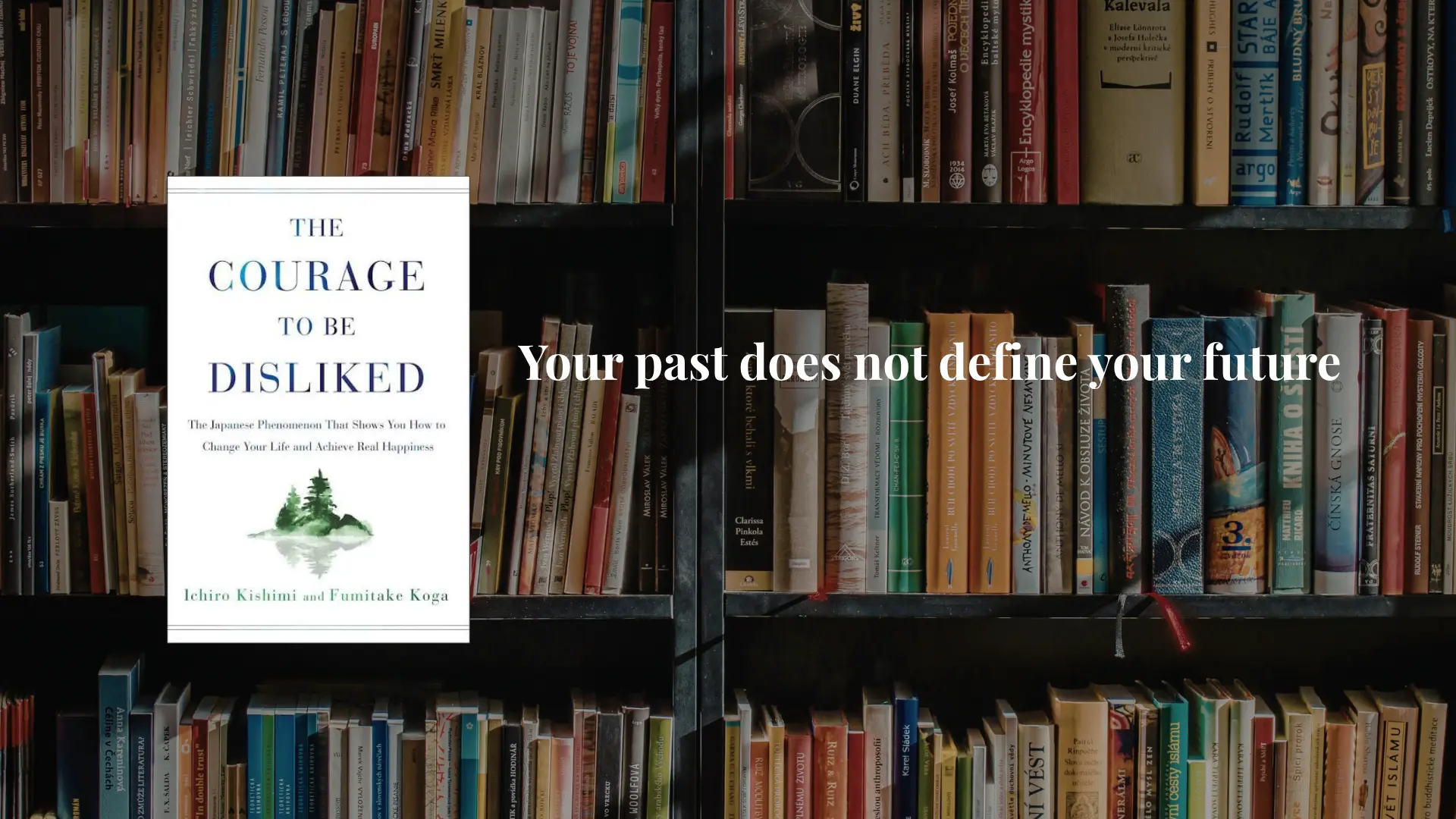

The Courage to Be Disliked by Ichiro Kishimi and Fumitake Koga is a compelling introduction to Adlerian psychology, presented through a thought-provoking conversation between a philosopher and a young man. The book challenges conventional ideas about happiness, relationships, and personal growth, encouraging readers to question the beliefs that often hold them back.
At its core, the book delivers a powerful message: people have far more freedom than they often believe, but true freedom comes with the responsibility of making their own choices.
Rather than seeking constant approval from others, it encourages individuals to live according to their values, embrace self-acceptance, and create a meaningful life on their own terms.
10 Lessons from The Courage to Be Disliked on living freely
1. Your past does not define your future
One of the book's most controversial ideas is that people are not prisoners of their past experiences. While past events can influence us, they do not completely determine who we become. The authors argue that individuals have the ability to choose how they respond to their circumstances.
This lesson encourages readers to stop viewing themselves solely through the lens of past failures, traumas, or disappointments and focus instead on the choices they can make today.
2. Freedom requires the courage to be disliked
The book's title comes from one of its central themes: living authentically will inevitably disappoint some people. If someone constantly seeks approval from everyone around them, they surrender their freedom.
True independence comes from accepting that not everyone will agree with your decisions, values, or lifestyle. The willingness to be misunderstood is often the price of living honestly.
3. Stop seeking constant validation
Many people base their self-worth on praise, recognition, and approval from others. The book argues that this creates a fragile sense of identity because it depends on factors outside one's control.
Living freely means developing confidence that is not entirely dependent on what other people think. Self-respect becomes more stable when it comes from personal values rather than external applause.
4. Focus on your own tasks
A key concept in Adlerian psychology is the separation of tasks. The book encourages readers to distinguish between what belongs to them and what belongs to others.
For example, how someone responds to your actions is ultimately their task, not yours. Taking responsibility for your own choices while allowing others to manage theirs can reduce unnecessary anxiety and conflict.
5. Comparison steals freedom
Constantly comparing yourself to others can create feelings of inadequacy and resentment. The authors argue that life is not a competition. Every person has a different path, different circumstances, and different goals. Freedom comes from focusing on personal growth rather than measuring success against someone else's achievements.
6. Happiness is a choice
The book suggests that happiness is not something that automatically arrives when circumstances become perfect. Instead, it is often connected to mindset, purpose, and relationships.
While external factors can influence well-being, people have more control over their outlook than they sometimes realise. Choosing how to respond to life can be an important step toward greater contentment.

7. Healthy relationships require equality
Many conflicts arise when relationships become based on control, superiority, or dependence. The book advocates for relationships built on mutual respect and equality. Living freely means interacting with others as equals rather than constantly trying to dominate, impress, or please them. This creates healthier and more authentic connections.
8. Don't live to satisfy expectations
Society, family, friends, and colleagues often have expectations about how people should live. While some guidance can be valuable, blindly following others' expectations can lead to frustration and regret.
The book encourages readers to examine whether their goals genuinely reflect their own values or simply the desires of those around them.
9. Contribution creates meaning
According to Adlerian psychology, people find fulfilment when they feel connected to and useful within a community. Contribution does not necessarily mean achieving fame or extraordinary success.
It can involve helping others, supporting loved ones, or making a positive difference in everyday life. A sense of contribution often provides deeper satisfaction than personal achievement alone.
10. Live in the present moment
The book repeatedly emphasises the importance of focusing on the present. Many people spend their lives trapped by regrets about the past or fears about the future. While planning and reflection have their place, genuine freedom comes from fully engaging with the life that exists right now. The present is where decisions are made and where change becomes possible.
Why these lessons must be read
The Courage to Be Disliked challenges readers to rethink some of their deepest assumptions about happiness, success, and personal freedom. Its lessons can feel uncomfortable because they place responsibility back in the hands of the individual. Yet that responsibility is also what makes freedom possible.
The book's message is ultimately empowering: you do not need everyone's approval to live a meaningful life. Living freely begins when you dare to choose your own path, even when others may not understand it.