



MDR on UPI: The small fee that’s causing a big debate
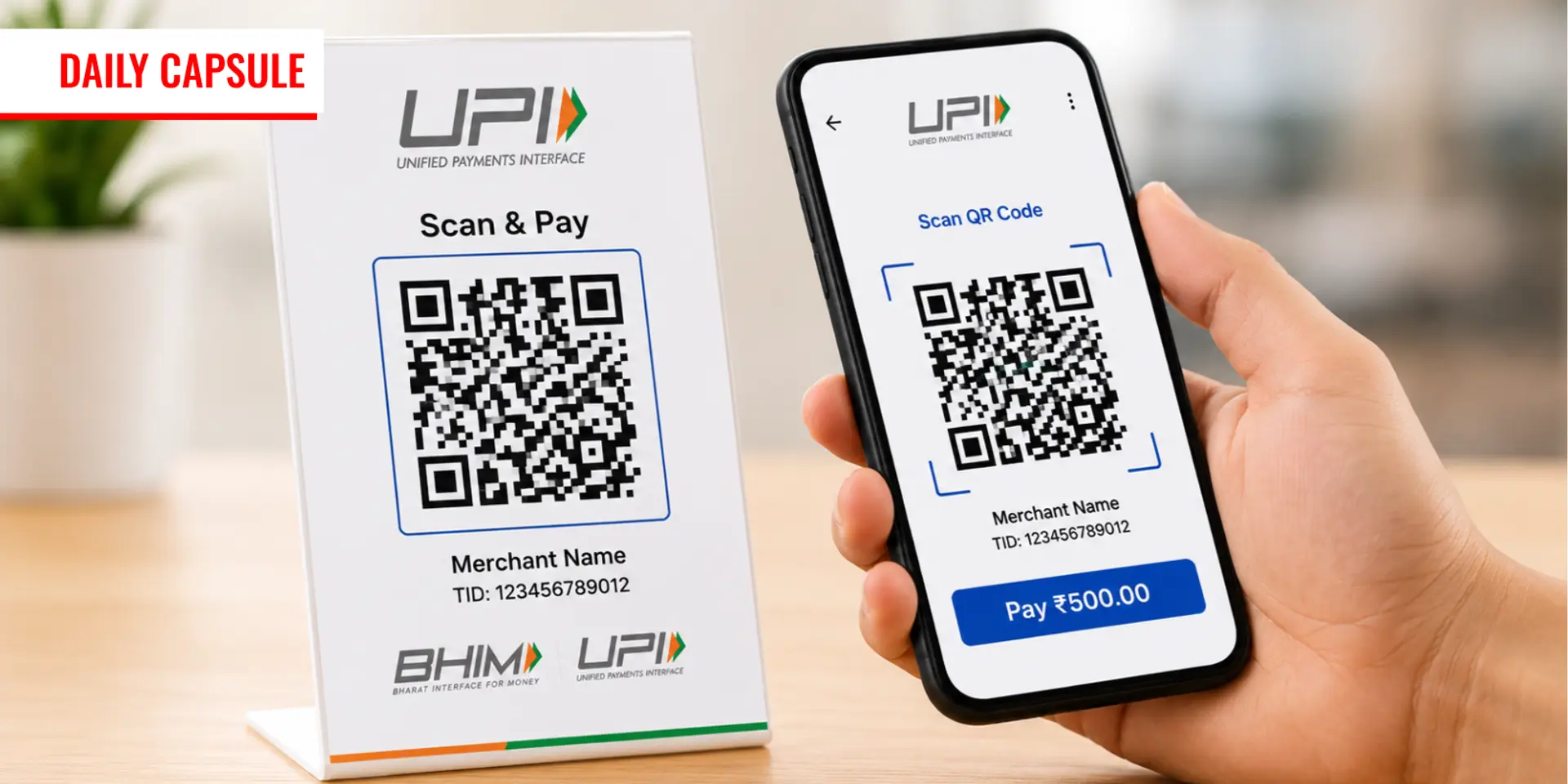
Merchant discount rate (MDR) on UPI has sparked debate over how UPI can remain affordable for merchants while creating a revenue stream for the banks and payment companies that keep the network running.


Dear Reader,
UPI is entering a new pricing phase from October 15, with a 0.4% MDR on eligible merchant transactions above Rs 2,000, while consumers will continue to pay no fee. The move is aimed at creating a revenue stream to support UPI’s infrastructure, cybersecurity, and fraud-prevention costs, but has sparked debate among industry leaders over who should bear the cost and how the revenue should be shared among banks, payment apps and aggregators.
The announcement had an immediate impact on payment stocks. Paytm shares jumped over 7% to hit a 52-week high, while One MobiKwik and Pine Labs gained initially before paring their advances.
Meanwhile, the debate around AI’s potential risks is intensifying, with concerns ranging from large-scale cyberattacks and biological threats to longer-term risks to human survival. As experts remain divided on the likelihood and timeline of these scenarios, the focus is also turning to how AI companies can build and deploy the technology safely.
Meta CEO Mark Zuckerberg says AI labs have sufficient incentives to prioritise safety, arguing that competition and potential liability can encourage responsible development without requiring a coordinated slowdown. His comments come as leaders at Anthropic and OpenAI call for a more cautious approach to AI development.
Anthropic CEO Dario Amodei, however, has called for stronger safety measures and a slowdown in frontier AI development, while Nvidia CEO Jensen Huang has argued for continued rapid progress. The contrasting views highlight the growing divide in Silicon Valley over how quickly—and cautiously—AI should advance.
Back home, auto component and EV technology firm Hero Motors raised Rs 300 crore from anchor investors ahead of its IPO, which opened for public subscription on Wednesday.
In today’s newsletter, we will talk about
- UPI’s new fee explained
- How KAWACH is changing child-protection training
Here’s your trivia for today: What was the first domain name ever registered? (Scroll down for the answer)
Finance
UPI’s new fee explained
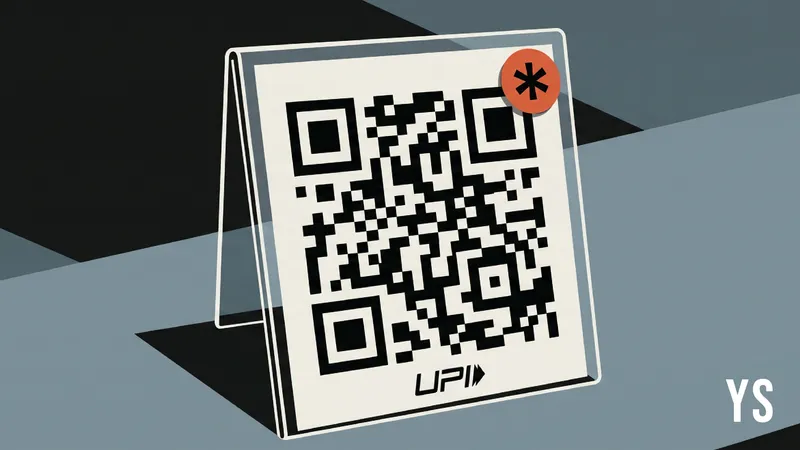
The introduction of a merchant discount rate (MDR) on certain UPI payments marks a shift in how India’s digital payments ecosystem is funded. From October 15, transactions above Rs 2,000 made to merchants will attract a 0.4% fee, while customers will continue to make UPI payments free of charge. The move is aimed at generating revenue for the payment ecosystem and supporting infrastructure, cybersecurity and innovation.
Here’s what merchants and consumers need to know about the new MDR regime.
Key takeaways:
- The 0.4% MDR will apply to merchant transactions above Rs 2,000, with the cost borne by merchants. Around 96% of merchant transactions fall below the threshold.
- Person-to-person transfers, merchant payments up to Rs 2,000, and payments to small merchants receiving up to Rs 1 lakh a month via UPI will not attract MDR.
- Essential and thin-margin sectors will pay a flat Rs 5 on transactions above Rs 2,000, while mutual funds, securities, and stockbroker payments will attract a 0.02% MDR, subject to a Rs 300 cap.
Social Impact
How KAWACH is changing child-protection training
KAWACH is bringing a child-centric lens to how civil servants approach child protection and rights. The programme encourages officials to consider how policies and decisions can affect children in different circumstances. It uses interactive learning to complement the legislation and protocols that traditionally shape child-protection training. So far, 1.2 lakh civil servants have completed the programme on the iGOT Karmayogi platform.
Key takeaways:
- KAWACH focuses on moving beyond knowledge of child-protection laws to a deeper understanding of the children those laws are meant to protect.
- The programme draws attention to the vulnerabilities and lived experiences of adolescents, who may sometimes be perceived as older than they are and treated accordingly.
- Its four modules use scenarios and decision-making exercises, and were developed by Kaboom with the British Asian Trust and Mission Karmayogi and vetted by government agencies before rollout.
News & updates
- Anthropic deal: Anthropic has signed its first data centre lease in Australia, tapping the country’s favourable policy environment and abundant renewable energy to secure capacity at a major computing facility.
- Gender Gap Index: India retained the 131st rank on the Global Gender Gap Index 2026, released by the World Economic Forum on Wednesday, with Iceland, Finland, and Norway maintaining their top three slots.
What was the first domain name ever registered?
Answer: Symbolics.com, registered on March 15, 1985 by Massachusetts-based computer manufacturer Symbolics—four years before Tim Berners-Lee invented the World Wide Web.
We would love to hear from you! To let us know what you liked and disliked about our newsletter, please mail [email protected].
If you don’t already get this newsletter in your inbox, sign up here. For past editions of the YourStory Buzz, you can check our Daily Capsule page here.