



6 R.F. Kuang book quotes that find beauty in contradictions
Discover 7 thought-provoking R.F. Kuang quotes that explore contradiction, identity, language, power, and the beauty found in life's complexities.

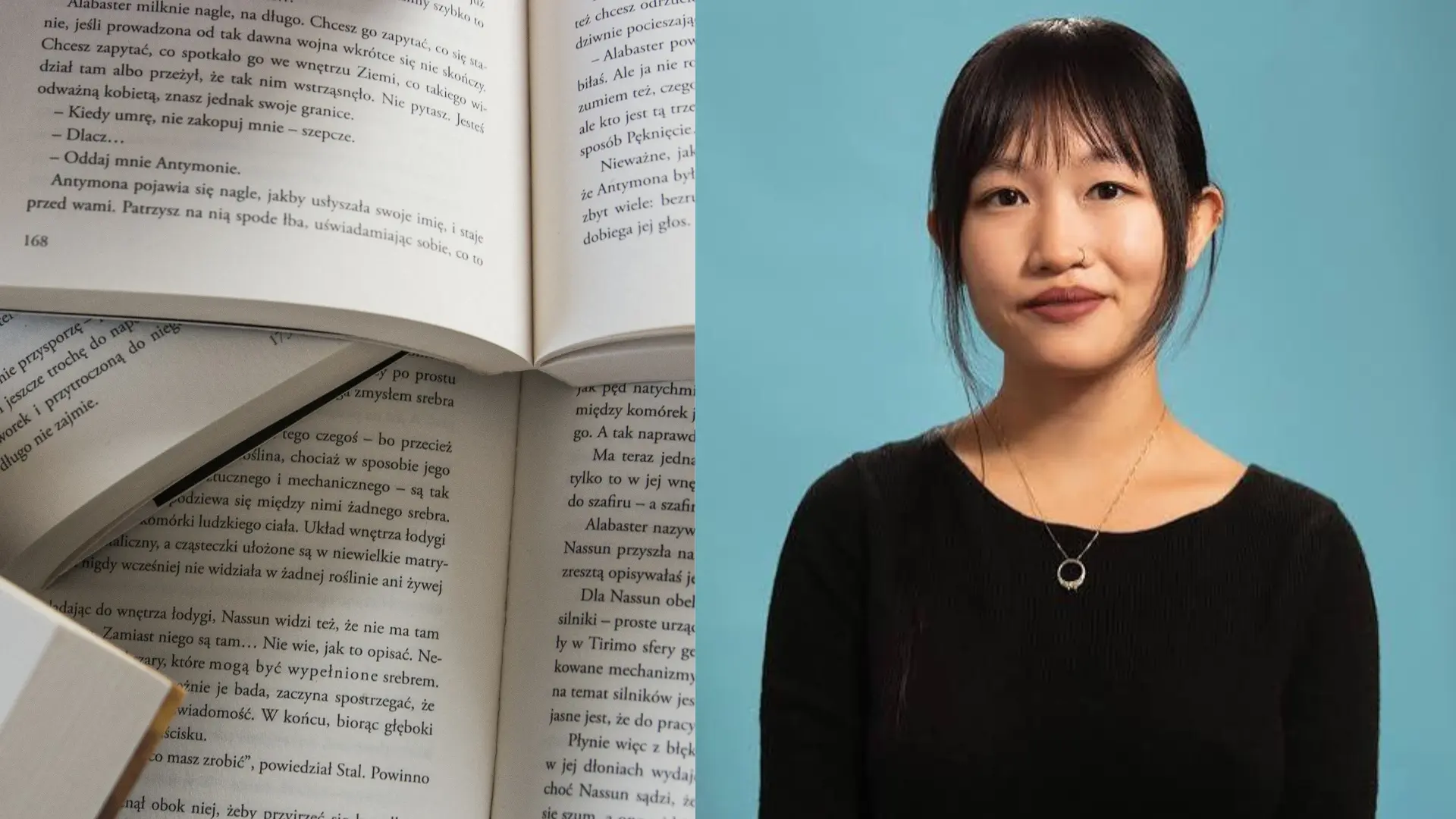

R.F. Kuang is one of the most fascinating literary voices of her generation.
Whether she is writing fantasy, historical fiction, or satire, her work constantly explores contradictions. Her characters often find themselves caught between cultures, identities, ambitions, and moral choices. Rather than trying to resolve these tensions, Kuang embraces them. She shows readers that life is rarely simple and that some of the most meaningful insights emerge from opposing truths existing side by side.
From Yellowface to Babel and The Poppy War, her writing invites readers to question easy answers and sit with complexity.
6 R.F. Kuang book quotes that find beauty in contradictions
1. “The truth is fluid; there is always another way to spin the story.”
Stories are shaped by perspective. This quote reminds us that truth is rarely as straightforward as it appears. Different people can experience the same event and walk away with entirely different interpretations. Rather than viewing this as a problem, Kuang encourages readers to recognise the complexity of human experience.
2. “Fire and water looked so lovely together. It was a pity they destroyed each other by nature.”
Few quotes capture contradiction as beautifully as this one. Fire and water symbolise forces that are fundamentally opposed, yet they create a striking image when imagined together. The quote reflects relationships, ambitions, and dreams that may be beautiful precisely because they are impossible to sustain.
3. “But that’s the great contradiction of colonialism. It’s built to destroy that which it prizes most.”
This observation from Babel highlights one of Kuang's recurring themes: systems often undermine the very things they claim to value. The quote challenges readers to examine the contradictions embedded within institutions, power structures, and history itself.
4. “Languages aren’t just made of words. They’re modes of looking at the world.”
Language both connects and separates people. It allows communication while also revealing differences in culture, history, and identity. Kuang's words remind us that every language contains a unique way of understanding reality, translating both possible and incomplete at the same time.
5. “Writing is the closest thing we have to real magic.”
Writing is both deeply personal and profoundly communal. Authors create worlds from imagination, yet those worlds become meaningful only when readers engage with them. This quote captures the contradiction at the heart of storytelling: something fictional can feel more emotionally true than reality.

6. “War doesn’t determine who’s right. War determines who remains.”
People often imagine history as a record of justice prevailing, but Kuang offers a more uncomfortable perspective. Survival and victory are not always evidence of moral correctness. The quote challenges simplistic narratives and encourages readers to question the stories history tells.
Why these quotes still resonate
What makes R.F. Kuang's writing memorable is her refusal to offer easy answers. Her work acknowledges that people can be both vulnerable and ambitious, that institutions can create and destroy, and that truth often contains multiple perspectives at once. Through these contradictions, she uncovers a deeper understanding of what it means to be human.
These quotes remind us that life is not defined by certainty. Sometimes beauty exists in the tension between opposing ideas, and wisdom comes from learning to hold both at the same time.