



On Mother’s Day, meet the mothers who rarely make it into the spotlight
Every year on Mother’s Day, we’re reminded to celebrate mothers for their care and sacrifice. But rarely do we pause to ask: What do mothers want for themselves? This Mother’s Day, HerStory brings voices we don’t hear enough—mothers whose lives are shaped by systemic neglect and quite endurance.


Each year on Mother's Day, we honour mothers for their sacrifice and strength—but rarely do we ask them what they hope for. Beyond the clichés of sacrifice and endurance, what do they dream of—for their families, and for themselves?
HerStory hears it from mothers whose lives are shaped by constant labour, social invisibility, and quiet resilience.
Nanjamma, an ASHA worker, has spent 15 years caring for hundreds, even through a pandemic, while barely witnessing her children grow up. Salamma, a sanitation worker, rises before dawn to feed her family while living with untreated illness. Ranjani, a mother of a child with autism, built a community from scratch when she desperately needed one and none existed. And Devi, a single mother, fought stigma and systemic neglect to help her daughter find her voice.
Their stories are powerful reminders: some of the most courageous mothers are the ones society forgets to ask anything of—except more.
Nanjamma S, 50, ASHA worker, Chikkaballapur district, Karnataka
“As per the guidelines of the National Health Mission, there must be one ASHA worker per 1,000 population. In my village, I am the only one for a population of 1,800.
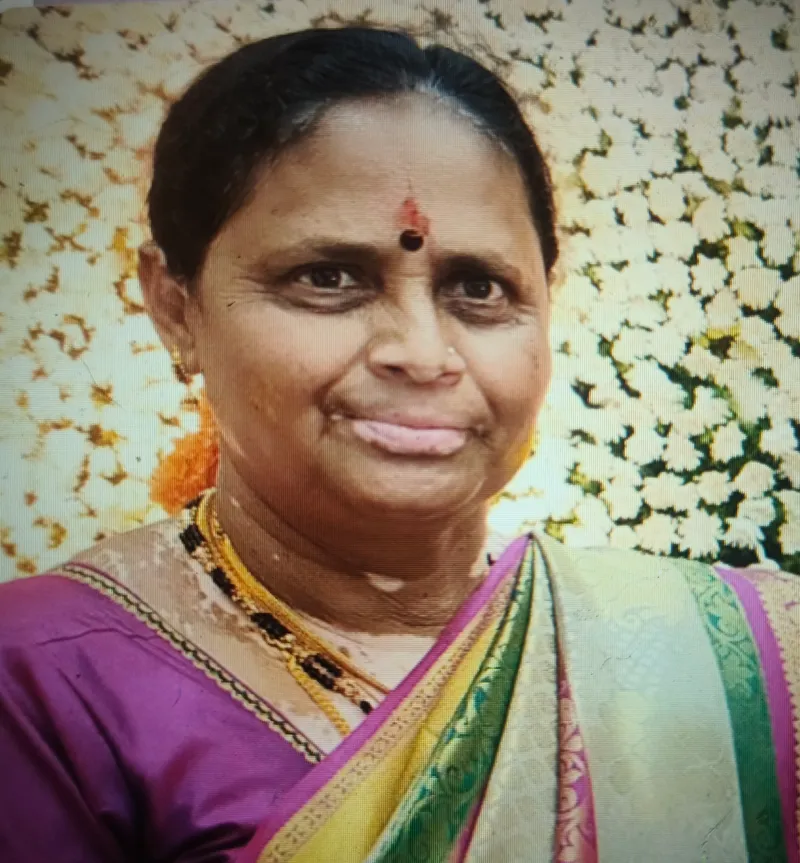
I have to ensure cleanliness is maintained in public schools, collect water samples for local lab testing, and accompany patients with HIV and tuberculosis for their checkups.
This has been my daily routine for the last 15 years—except during the COVID-19 period, when I was barely home.
After months of COVID duty, I came home one day and tested positive.
At times, I leave home in the middle of the night if there's a health emergency in the village.
My two children—a son and a daughter—are educated. My son is a graduate and my daughter is pursuing her PhD. I barely remember the time they were growing up. I was always working.
But I will always remember this: they are the first generation in our family to be educated. And knowing that changes everything.”
E. Salamma, 41, sanitation worker, Chennai
“I have been pregnant five times. Two of them ended in miscarriage. I now have a son and two daughters. Neither my family nor my husband’s family has helped us financially.
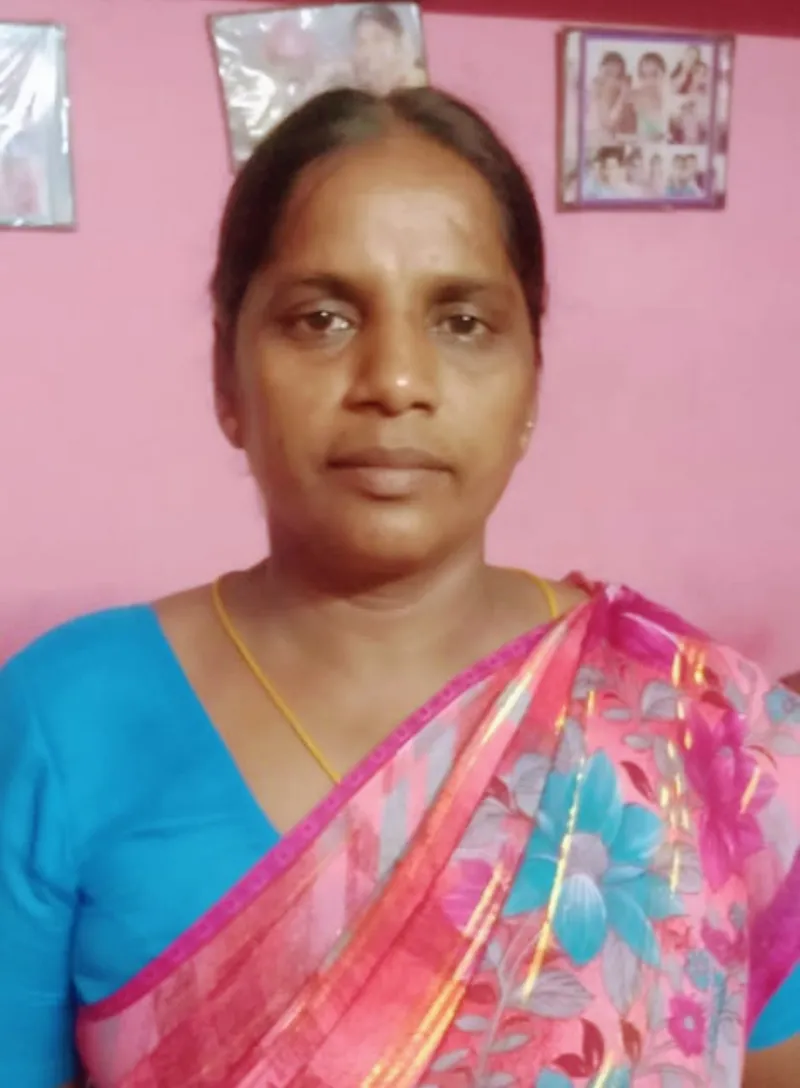
My mother was bedridden from the time I became pregnant for the first time. She died about ten years ago.
I leave home for work at 7 a.m. and I’m up by 5 a.m. to cook two meals before I go. I return home at 4 p.m., rest for a bit, and then make dinner.
My son completed his engineering degree at a private college, and my daughter will finish school soon. Recently, I fell very ill and will require surgery next month. Right now, I cannot afford it. I don’t know what we are going to do.
But I know this—if I want to support my family, I need to become well. They are fully dependent on me.”
Ranjani Chandrasekar, 39, mother of a child with disability, Chennai
"My son was diagnosed with autism when he was three years old. It took me five years to mentally and emotionally accept his condition.
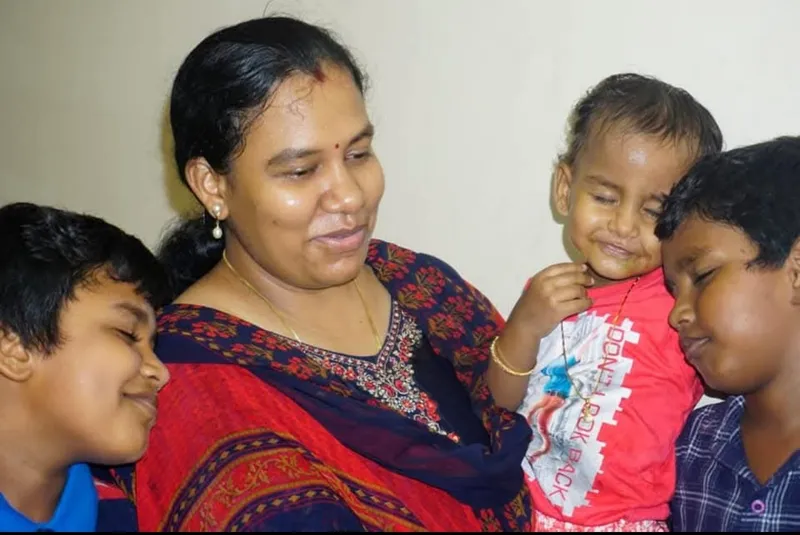
All the doctors and therapists advised me to send him to a special school. I defied them and enrolled him in a government school—which turned out to be the best decision I made.
I saw that government school teachers were more aware and better prepared to work with children with intellectual and developmental disabilities than private school teachers.
I was pregnant with my second son when my first son was diagnosed. For the next decade, all my attention went to my older son. It affected my bond with my second son. Even today, I’m working to rebuild that connection.
When I was going through all of this, I had no reference point, no one to turn to. Even my family didn’t understand what I was dealing with.
That’s why I started my own community called Voice. We began with ten parents. Today, we have over 2,000 parents and 400 volunteers. We share knowledge, resources, and lived experiences. We babysit each other’s children when needed—because we understand.
I realised that no one can truly understand what we go through except other parents of children with disabilities.”
Devi Venkatraman, 37, single mother, Chennai
“I left my marriage four years ago. I have a daughter with ADHD and mild autism, and a son. I stayed in that emotionally and verbally abusive marriage for nine years. But when the abuse began to target my daughter, I knew I had to take a stand.
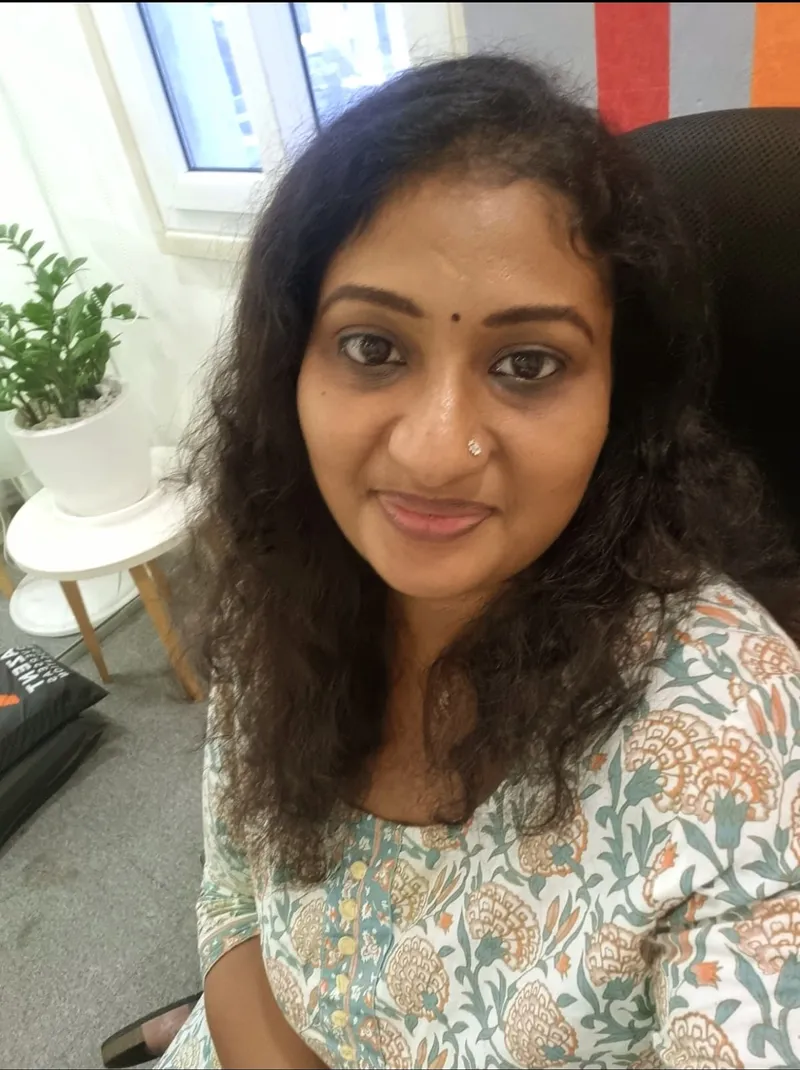
My father was never around. Four months after my mother moved in to support me, she fell ill and passed away.
In the early days, just after COVID-19 pandemic, I was turned down by 25 house owners while searching for a home. Many didn’t want to rent to a single mother. Some said it was ‘inauspicious’ or feared it would bring ‘drama.’
I worked hard to rebuild our lives and stabilise my career. My children are doing better now. My daughter only began speaking at age 11. I believe she would have found her voice years earlier if we had received the support we needed—from family, society, and more inclusive schools."
Edited by Affirunisa Kankudti