



These 5 social impact organisations are empowering young girls with education and awareness
From education, menstrual health and awareness to leadership training—these organisations are working for the rights of girls in the country.

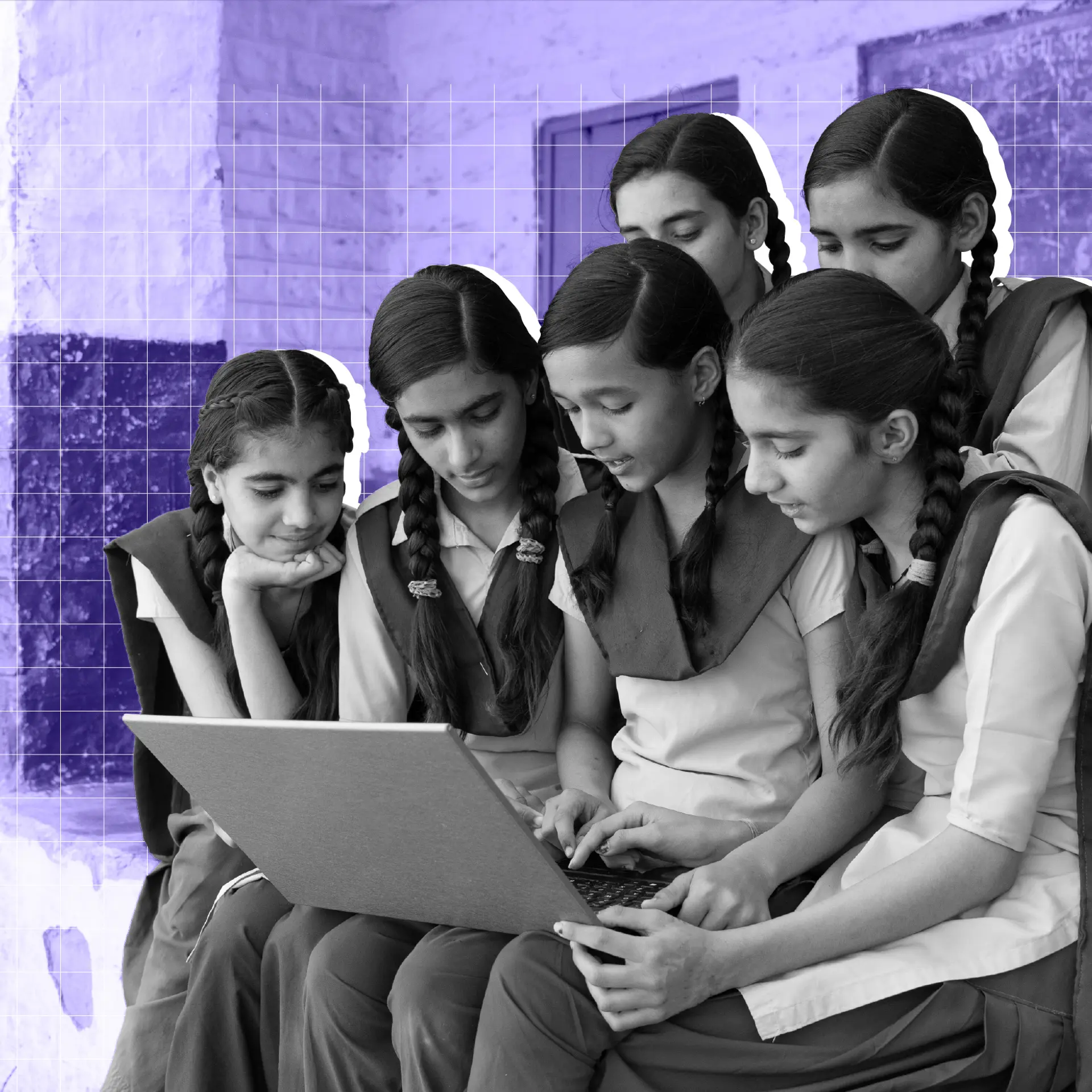

Despite progress in literacy, employment, and healthcare, millions of girls in India continue to face challenges rooted in poverty, patriarchy, and systemic neglect.
The struggles are diverse—many girls are still forced into early marriage, they live in unsafe environments, have limited access to quality healthcare, many drop out of school, and their realities are shaped by inequality at various levels.
To address these challenges, many social impact organisations are going beyond advocacy to actively support girls in continuing their education, teaching them life skills, and ensuring access to healthcare and financial independence.
These efforts are multi-dimensional and aim to transform the socio-economic conditions of girls and their families. By working across different domains, these organisations are addressing both immediate and long-term needs.
Here is a list of five organisations rewriting India’s gender story, one girl at a time.
Educate Girls
Founded in 2007 by social entrepreneur Safeena Husain, Educate Girls is a non-profit dedicated to bridging India’s gender gap in education. It works across rural and educationally-backward regions of Rajasthan, Madhya Pradesh, Uttar Pradesh, and Bihar.
Educate Girls mobilises communities to identify, enrol, and retain out-of-school girls, while improving foundational literacy and numeracy for all children.
By partnering with the government and leveraging existing public education infrastructure, Educate Girls has built a powerful grassroots movement.
It has a large network of 55,000+ community volunteers bringing over 2 million girls back to education and supporting over 2.4 million children in remedial learning.
In 2021, Educate Girls launched Pragati, a “second-chance” programme for adolescent girls and young women aged 15–30 who missed out on formal education. Using the government’s open school system, Pragati offers flexible access to secondary education for those who are over-aged, married, or have faced academic setbacks.
Over the next decade, the initiative aims to impact the lives of 10 million girls, offering them renewed opportunities for learning and empowerment.
The organisation aims to impact over 10 million learners over the next decade, driving systemic change alongside government partnerships, while ensuring last-mile access for those girls and young women who are most at risk of being left behind.
Educate Girls has also introduced the world’s first Development Impact Bond (DIB) in education, in collaboration with UBS Optimus Foundation and the Children’s Investment Fund Foundation (CIFF). This model ties funding directly to measurable learning and enrollment outcomes.
Since its inception, 2007, Educate Girls has worked across 30,000+ villages. This year, it became the first Indian organisation to receive the 2025 Ramon Magsaysay Award, Asia’s premier prize and highest honour.
Protsahan India Foundation
Founded by Sonal Kapoor, Protsahan India Foundation is a social impact organisation working to ensure that girls living in situations of extreme vulnerability have access to education, healthcare, and holistic support. The organisation’s work is grounded in its unique HEART framework—Health, Education, Art, Rights, and Technology, which integrates healing, care, and gender justice into every intervention.
Unlike organisations that focus on children already enrolled in schools, Protsahan directs its efforts toward those who have never been to school or have been excluded from mainstream education.
A core aspect of Protsahan’s model is its focus on Adverse Childhood Experiences (ACEs), understanding how trauma impacts brain development, learning ability, and emotional well-being.
To address this, the organisation operates five trauma-informed Girl Empowerment Centres located in Vikas Nagar, Uttam Nagar, Hastsal, Deepak Vihar, and JJ Colony Dwarka in West Delhi. These safe spaces provide girls with access to counselling, creative arts therapy, healthcare, and education support.
Protsahan has expanded its reach by collaborating with anganwadis, UNICEF, and government welfare institutions, aiming to strengthen the child protection ecosystem and scale systemic change across India. Its research-driven approach includes analysing ten years of data under the POCSO Act (Protection of Children from Sexual Offences), using the findings to train government stakeholders, judges, and policymakers in child protection and trauma-informed care.
Over the years, Protsahan has trained more than 40,000 individuals, including teachers, judicial officers, and social workers, on child rights, trauma-informed practices, and gender sensitivity. Notably, its research has been cited and used by the High Courts of Madhya Pradesh and Guwahati for judicial training, demonstrating the organisation’s growing role in influencing policy and justice systems for children.
VOICE 4 Girls
Founded and led by Anusha Bharadwaj, VOICE 4 Girls is an NGO that focuses on empowering marginalised adolescent girls in India by addressing the “cycle of denial”, whereby girls lack access to information, agency, and safe spaces, and are then pushed into early marriage, child-bearing or limited life choices.
The organisation works through peer-group formation, local college volunteers and counsellors, and and covers topics such as bodily changes, health, career, financial literacy, relationships, and rights.
At the heart of VOICE 4 Girls’ work is the belief that giving girls the tools to think critically, seek information, and speak up transforms not just their lives but their families and communities. Bharadwaj notes that if adolescent girls realise their potential, they could contribute billions of dollars to India’s GDP.
The NGO also emphasises creating “safe spaces”, environments where girls can explore, question and grow, and encourages boys and young men from marginalised communities to be part of the conversation around gender equity.
WeBhor (We Rise Together)
WeBhor (We Rise Together) is an NGO founded by Reshma Arya in 2018 that uses music to educate adolescent girls from marginalised and low-income communities about menstruation, sexual health, rights, and other often-taboo topics.
The organisation employs creative methods such as songs and metaphors to make these subjects more accessible and comfortable for young girls to discuss.
One notable example is a classroom session led by Arya where she sang a Hindi song explaining the menstrual cycle. The song used metaphors like "rani" (queen) for the egg and "mahal" (palace) for the uterus, accompanied by an animated video to illustrate the process. This approach helped impart lessons about menstruation without any awkwardness, making the topic more approachable for the girls.
So far, the NGO has worked with around 20,000 girls. However, breaking the stereotypical mindset of people has been the biggest challenge.
Milaan Foundation
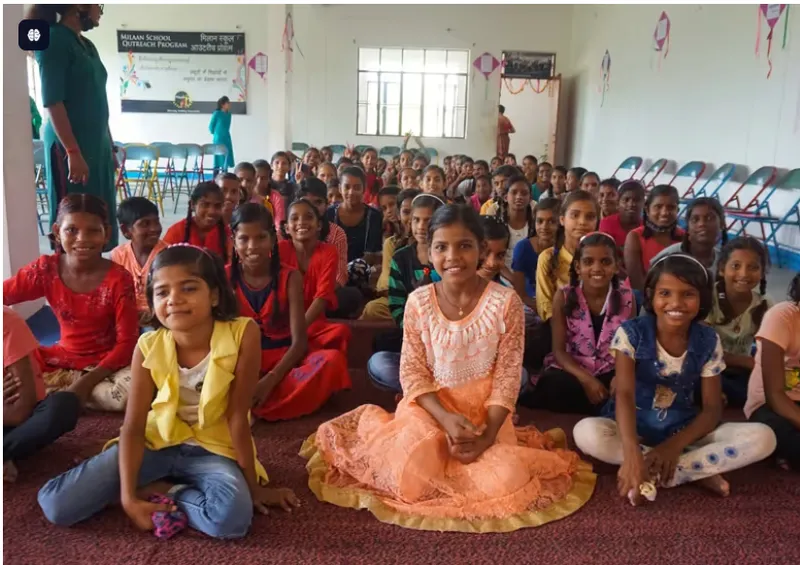
Milaan Foundation, established in 2007 by four Delhi University students, Dhirendra Pratap Singh, Sharadindu Goswami, Irengbam Debashish Singh, and Annie Gupta, is dedicated to empowering young girls in rural India by providing education, leadership training, and community advocacy.
The foundation's flagship initiative, the Girl Icon programme, identifies and nurtures adolescent girls to become grassroots leaders who address issues such as child marriage, gender inequality, and health education within their communities.
The programme employs a comprehensive three-phase selection process, including video submissions, group discussions, and personal interviews, to identify potential leaders. Once selected, these girls design and implement social action projects aimed at involving at least 100 community members, thereby fostering grassroots change. For instance, one Girl Icon successfully negotiated with local authorities to introduce a school bus service for her village, significantly increasing school attendance.
Milaan's efforts have led to a significant reduction in child marriage rates and increased school enrolment among girls in the regions they serve. The foundation plans to expand its programmes to reach 100,000 girls within the next five years, continuing its mission to create sustainable opportunities for marginalised youth, especially young girls.
(The story has been updated to include the latest impact numbers of Educate Girls).
Edited by Megha Reddy