



The reality of hazardous work for women in India’s industrial corridors
Tamil Nadu has just expanded opportunities for women in hazardous and night-shift jobs. However, across the country, studies and recent workplace tragedies reveal that true inclusion demands more than access — it needs accountability, infrastructure, and implementation of safe mechanisms.

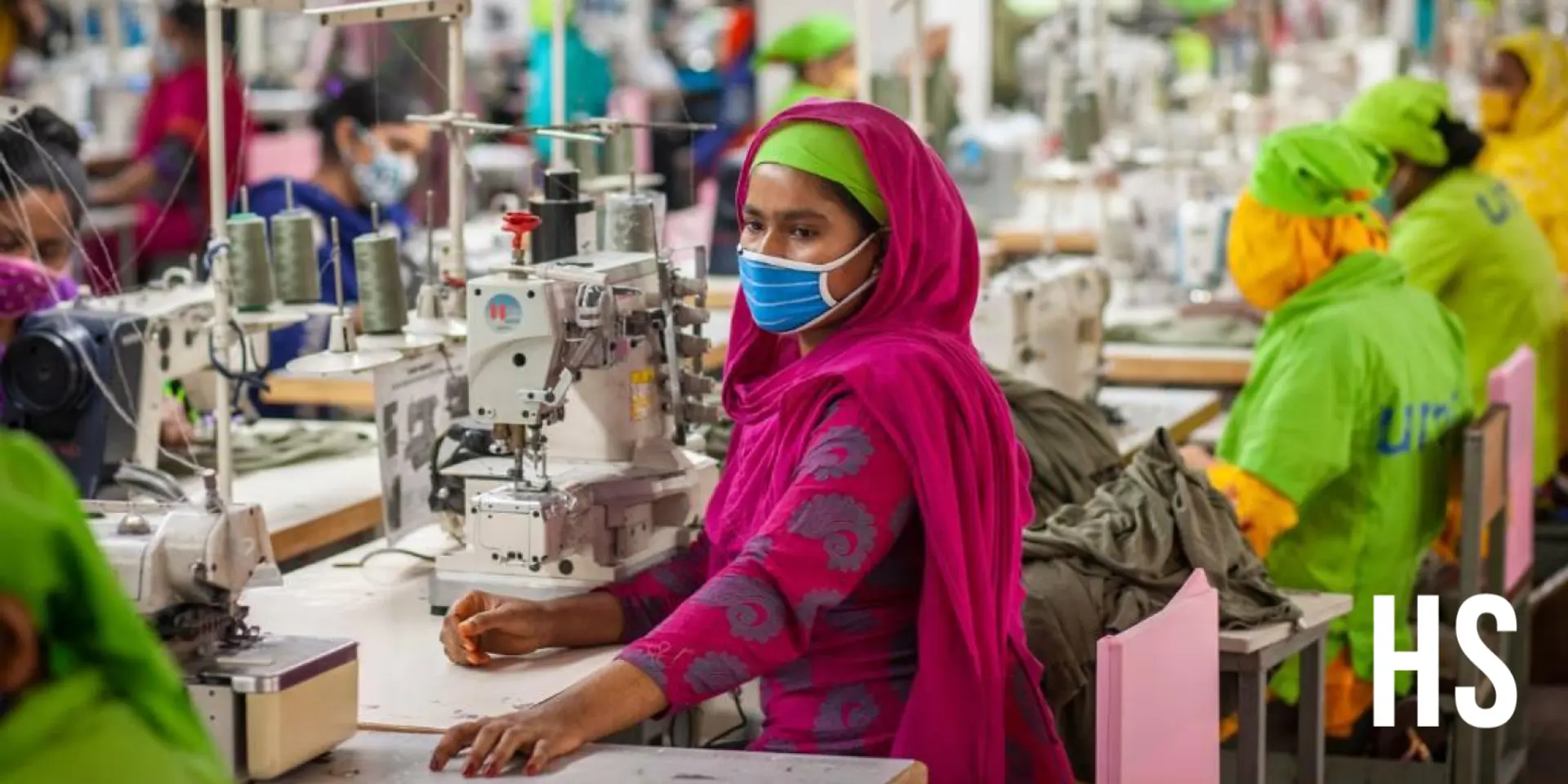

Tamil Nadu has stood out among Indian states for its relatively high share of women in industrial and factory jobs, and for policy reforms that have opened more sectors to women workers. Most recently, the state moved to amend the Tamil Nadu Factories Rules, 1950, to allow women to work in around 20 previously restricted hazardous operations — including jobs involving chemicals, glass, lead, gas, petroleum and fireworks.
It has also lifted restrictions on women working night shifts in factories, permitting them to do so with consent and under mandated safety measures such as secure transport, medical facilities, and separate rest areas.
This is a welcome step towards greater access, equality and opportunity, but scratch the surface, and one can see how several such stories of inclusion may have outpaced infrastructure, regulation and genuinely safe working conditions that must go hand-in-hand with more work opportunities.
A peer-reviewed study on ‘Occupational Health of Agricultural Women Workers in India’ conducted by the Central University of Tamil Nadu found that women in physically intensive or chemically exposed jobs face chronic fatigue, reproductive health complications, and heightened mental stress, with little access to healthcare or compensation. A primary reason for this is that women often work on an informal/contract basis, lack regular employment, work safety, constant income, or social security protection.
In 2019, another analysis of the health and safety of women workers in informal sectors like beedi rolling and construction by the Centre for the Study of Law and Governance, Jawaharlal Nehru University, also observed that weak enforcement of labour laws “systematically excludes women workers” from occupational safety nets. In the garment industry, too, reports have pointed to how long hours, poor air quality, and repetitive strain injuries not only affect women’s physical health but also reduce household income stability and caregiving capacity.
These studies underline that when women’s work becomes hazardous, the cost is social, not individual. Households suffer when the primary caregiver or secondary earner falls ill or is injured, and communities absorb the fallout through cycles of debt, dropout, and ill-health.
In August 2024, 30-year-old K. Umarani, a contract worker at Tamil Nadu’s state-run Aavin milk processing factory, was killed when her dupatta got caught in a conveyor belt. Her hair became entangled in the machine, and she was decapitated instantly. Aavin had no enforced safety code for women’s clothing, no headgear, and no accessible emergency switch.
Just a year earlier, in Attibele, on the Karnataka-Tamil Nadu border, a blast in a fireworks godown killed close to 14 workers. Fireworks accidents in Sivakasi, Virudhunagar in Tamil Nadu between 2024 and 2025 have documented several casualties, including women. Many of them were packed with explosive materials in poorly ventilated sheds far exceeding the permitted area.
Meanwhile, ragpicker women in Chennai’s Kodungaiyur and Pallikaranai dump yards handle biomedical and electronic waste with their bare hands. A 2023 field study of 351 such women by Manonmaniam Sundaranar University, Tirunelveli, found that over half suffered respiratory illness, skin infections, and joint pain, none covered by occupational health insurance.
The ones affected are mostly Dalit and OBC women working on contract, handling chemicals and waste with their bare hands.
While Tamil Nadu leads reforms aimed at making its factories more gender-inclusive, the everyday reality for most women in these workplaces remains precarious. The National Commission for Enterprises in the Unorganised Sector says over 90% of women in India work in the informal sector, where laws like the Factories Act or POSH barely apply. It points to safety, harassment and mobility constraints as key reasons women opt out or are excluded from work.
Expert analyses point out that without stronger safeguards and enforcement, inclusion in the informal sector risks remaining tokenistic and short-sighted.
The study by Central University of Tamil Nadu recommends that governments and employers “ensure regular inspection of worksites and prevent exposure to risk factors arising from hazards and unhygienic conditions,” adding that “implementation of social security and welfare measures” could dramatically improve women’s occupational health outcomes.
The JNU study calls for India to establish gender-sensitive occupational safety standards, expand medical coverage to informal women workers, and strengthen local inspection and grievance mechanisms. They also call for including women in workplace decision-making processes and for the strict enforcement of labour laws to safeguard women workers from unsafe environments.
The UN Women India Beijing+30 review (2024) echoes this, noting that safe and decent work for women requires both legal protections and enforcement, especially in the informal sector. It urges states to integrate gender-responsive budgeting for occupational safety and to extend social protection to home-based and contract labourers. This, along with separate toilets, clean rest areas, safe transport, on-site health checks, and proper training for hazardous operations, all go hand-in-hand.
The question is no longer whether women should have access to hazardous or night-shift work, but whether workplaces are ready for that access. Strengthening occupational health, inspection, and social protection will decide how inclusive India’s next decade of labour reform truly is.
Edited by Jyoti Narayan