


India’s 55% female labour force target by 2030 is ambitious, but within reach
The push to bring more women into the workforce is gathering momentum across states. But the challenge now lies not just in creating jobs for women, but in making those jobs fair, safe, and sustainable.

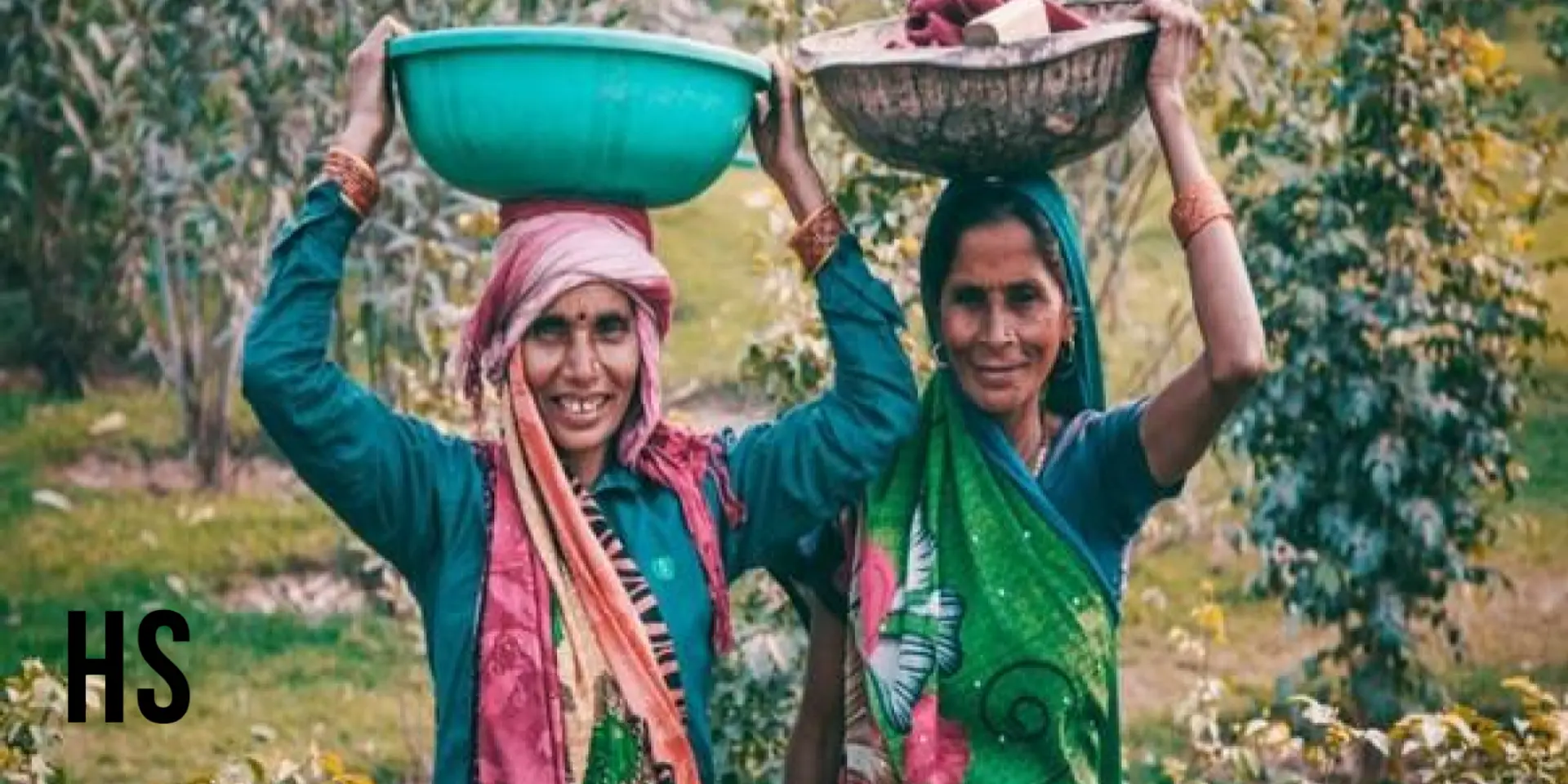

The Indian government recently expressed its commitment to raise the female labour force participation rate (FLFPR) to 55% by 2030. The announcement recognises women’s economic engagement not just as a social issue, but a growth lever, given especially that over 65% of the country’s population is under 35, and its female labour force participation rate (FLFPR) was 41.7% (as of FY 2024).
According to government reports, FLFPR rose from 23.3% in 2017-18 to 41.7% in 2023-24. Quarterly updates show a weekly rise in female participation by 33.7% in August 2025, while the overall labour force participation rate rose to 55.1%.
Amidst all these numbers, several states have adopted model practices. In Uttar Pradesh, for instance, women’s workforce participation jumped from 14% in 2017-18 to 36% in 2023-24 owing to targeted interventions, such as permitting night shifts for women, expanding self-help groups (SHGs), and improving their registration on the national e-Shram portal.
Kerala has prioritised childcare infrastructure and women’s cooperatives through its Kudumbashree mission, and has enabled more women to re-enter the workforce after childbirth.
In Tamil Nadu, Mahalir Thittam programme, implemented by the Tamil Nadu Corporation for Development of Women, continues to link women’s self-help groups (SHGs) to microcredit, training, and entrepreneurship opportunities across the state.
Odisha’s Mission Shakti initiative has mobilised over 70 lakh women into federated self-help group networks, creating a strong ecosystem for rural livelihoods and enterprises. Meanwhile, in Rajasthan, the Indira Gandhi Urban Employment Guarantee Scheme, launched in 2022, has reserved 50% of urban employment opportunities for women, helping them access wage security in cities.
Challenges and why they persist
While these initiatives reflect a growing number of women entering both paid and self-employment, significant structural barriers persist.
Academic research shows that much of the rise in participation is driven by rural women engaging in agriculture or informal work rather than stable and salaried roles.
According to the Ministry of Labour and Employment, in rural India, female LFPR was 36.6% in 2021-22 compared to just 23.8% in urban areas.
Secondly, many of the jobs women take up stem from poverty, resulting in low-productivity or self-employed, rather than formal employment. Studies also show an increase in women’s roles such as helpers in household enterprises or unpaid family work, not necessarily wage work.
Thirdly, supply-side barriers such as unpaid care work, mobility constraints, safety issues, and limited flexible work options continue to restrict women’s participation in the formal workforce.
A study by Cornell University found that 53% of women (versus 14% of men) in urban India did not report going out of home on a given day due to lack of means of mobility.
The International Labour Organisation’s (ILO’s) 2024 India Employment Report notes that although women’s participation rose, formal job creation and decent work for women still lag behind, which means quality and formalisation of work for them remain weak.
Recommendations that could shift the game
Experts and policymakers are almost unanimous on what needs to change to sustain women’s workforce participation. Institutions such as the V.V. Giri National Labour Institute and NITI Aayog, along with international bodies like the International Labour Organisation (ILO) and World Bank, have repeatedly outlined how India can translate rising female participation into lasting equity. Recent studies by the Institute of Women’s Work and Gender Equality (IWWAGE), ICRIER, and UN Women India highlight few recommendations that could shift the game:
- Formalising the care economy and unpaid work: Policymakers must invest in childcare, elder-care, and home-based services, in order to create jobs and reduce women’s unpaid work burden.
- Promoting flexible and remote work models: Research shows women locked out of formal employment often need work formats that adapt to care responsibilities and mobility limits. Scaling hybrid and remote work can be a gateway.
- Focusing on quality and formal employment, not just participation: The aim, say experts, should be better jobs — salaried, secure, decent wage roles — rather than just more low-quality work. They call for strengthening labour codes, transparency, and wage equity.
- Ensuring workplace safety and mobility: Safe transport, safe work environments, and safe fieldwork are crucial for women’s sustained participation.
- Haryana’s “Safe City” and “Pink Patrol” initiatives, for instance, have been credited with improving women’s mobility and night-time access to work.
State-tailored strategies and grassroots programmes: Success of programmes in Uttar Pradesh shows impact when states implement women-centered schemes, night-shift permissions, SHG linkages, and industrial access for women.
Similarly, Odisha’s Mission Shakti and Tamil Nadu’s Mahalir Thittam have demonstrated how self-help group (SHG) networks can scale livelihoods and enterprise opportunities for women.
Data disaggregation and monitoring: Better state-wise, sector-wise, and gender-wise data will allow targeted interventions and accountability that goes beyond counting participants to counting decent work.
India’s 55% FLFPR goal may be ambitious, but the signs of change are already visible in the form of more women entering the workforce, state programmes taking hold, and a renewed policy push from the centre.
The real test now lies in ensuring that the jobs women find are secure, fairly paid, and dignified. This means tackling the unpaid care burden, improving transport and workplace safety, and creating systems that make it possible for women not just to work, but to build careers.
If governments, businesses, and communities move in step, “55 by 2030” could mark more than a target and signal a genuine shift in who gets to shape India’s growth story.
Edited by Megha Reddy