



How Asha Jha and her five daughters are taking Madhubani art to the world
Asha Jha, a Madhubani artist, runs Madhubani Paints along with her daughters, working to preserve and promote the traditional art form. They are taking Madhubani art to audiences and collectors across India and abroad.

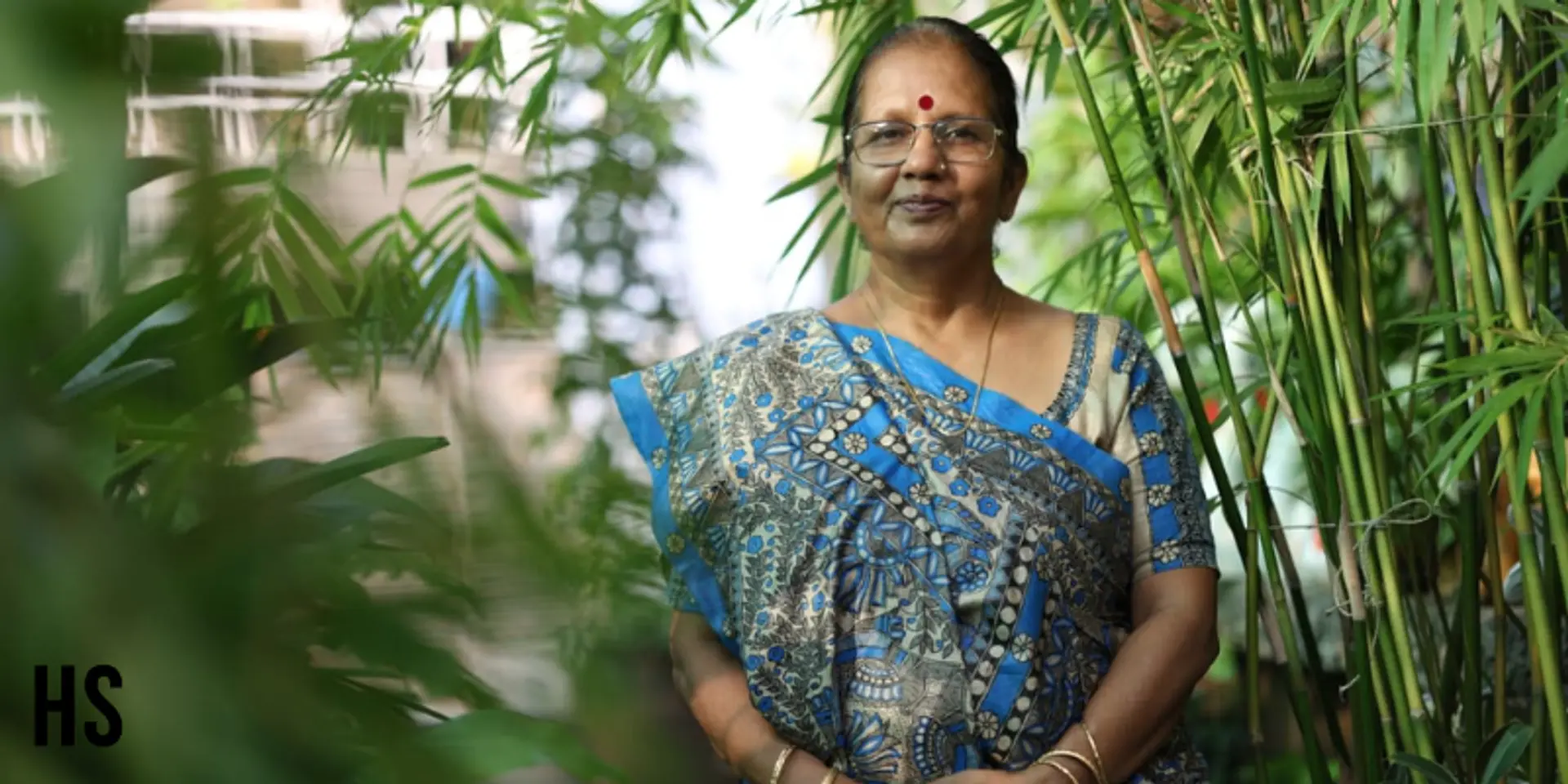

Growing up in Madhubani, home to the celebrated Mithila (also known as Madhubani) painting tradition, Asha Jha was surrounded by art from a young age. She watched her mother and grandmother bring stories to life on canvas and practised it herself.
After marriage, Jha chose to focus on her education, going on to complete a master’s degree in Home Science.
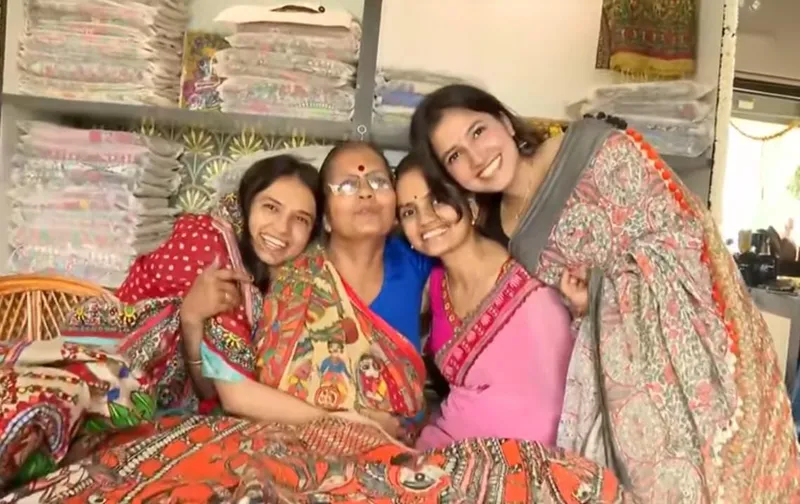
Uma, Asha, Divyani and Shatakshi
It wasn’t until life presented her with a series of challenges that she considered Madhubani art as a means of livelihood.
She and her husband both worked as lecturers in government-aided colleges, but were not paid for months on end. With five daughters to educate, all on loans, the financial pressure mounted. “I wanted them to study in English medium schools. At that time, we couldn’t study English in the village,” says Jha.
Reviving her interest in Madhubani art
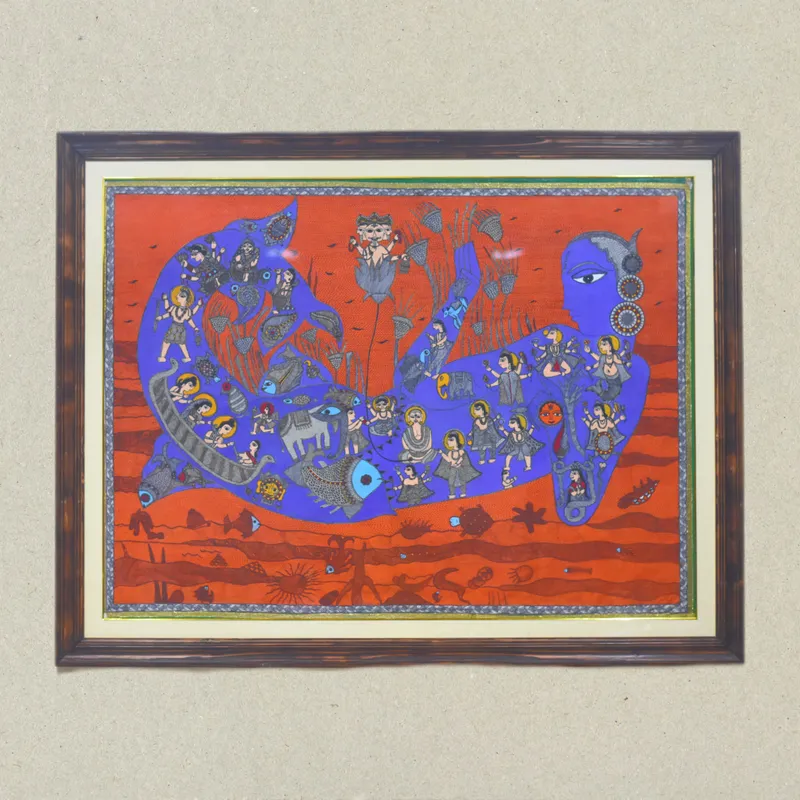
The Madhubani painting on Matsya Avatar, which won Asha Jha a national award
The art she learned as a child watching her grandmother and mother soon became more than just a passion; it became a necessity.
“I started making small paintings and selling them for 100 or 200 rupees under the banner of Shatakshi Creations. Some women didn’t even pay money. They just gave bangles or vermillion as tokens. At the time, it hurt, but I persevered,” Jha tells HerStory.
Her first state award in 2008 marked a turning point and became a symbol and signal of bigger things to come.
Around 2007-08, her husband encouraged her to try something larger, beyond her usual scope of work. Jha created a large painting depicting Mithila’s traditions, the complete life cycle of rituals from birth to death. Two and a half metres long, the painting took around two years to complete.
“My brother discovered that there was a government office for handicrafts in Madhubani. We showed the officer the painting, and he immediately made an identity card for us, which helped us participate in exhibitions,” she says.
The official also asked her to start working on a painting on Sita Swayamvar (Sita’s selection ceremony) to widen the scope of her artistic talent.
With her first government exhibition in Patna came the State Award, along with recognition for her work.
“People started recognising our work, and business started improving. I started making it clear that I would not compromise on full payment. I also got a credit card, and business started improving,” Jha says. Many other awards followed.
Accolades and recognition
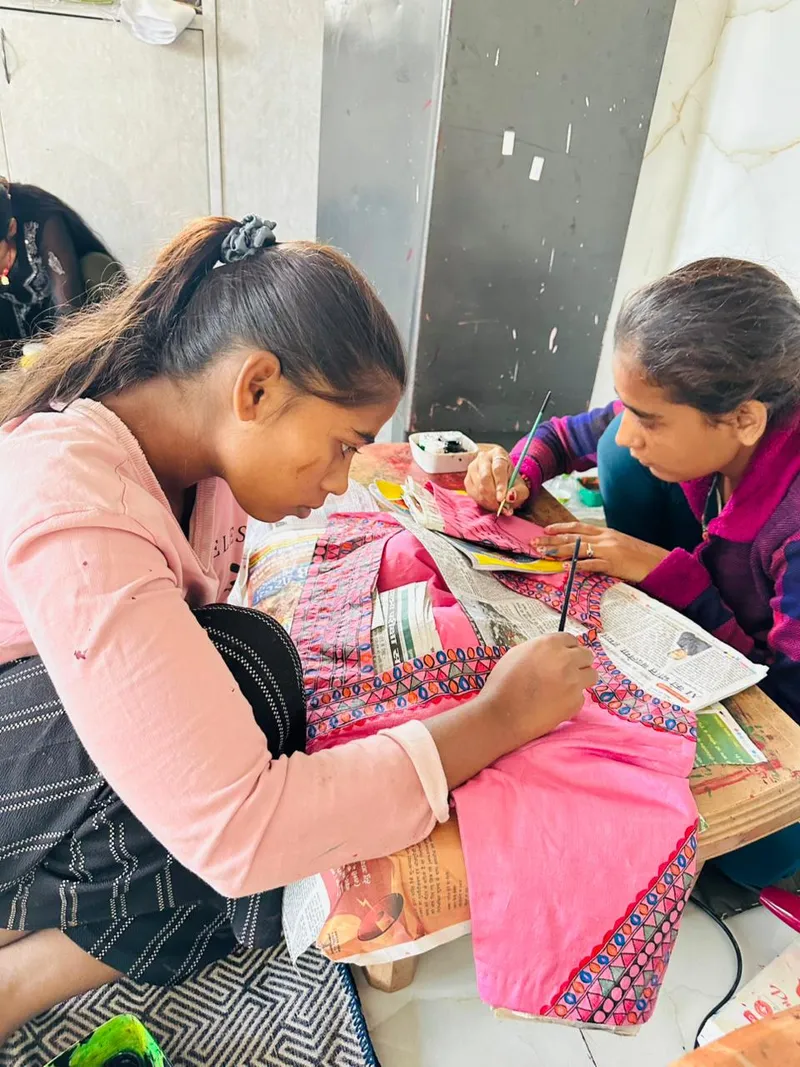
Women artisans at work
In 2013-2014, Jha won a national award for her Madhubani painting that depicted the Matysa avatar (first avatar of Lord Vishnu).
“I used unusual colours like purple, orange, and black. People usually colour the sky blue, but I made it orange. The difference caught people’s attention,” she explains.
Divyani, the fourth daughter, steps into the conversation to share how the family adapted to changing times—taking the business online and opening up new avenues for growth and wider reach.
“We saw people selling on Facebook and realised it would offer us great traction. We wanted an attractive name that people would recognise as a brand. The art is more famous as Madhubani, even though it's from the Mithila and Madhubani regions."
They landed on Madhubani Paints, combining place with craft. Around 2017, they launched a Facebook page without a smartphone.
Divyani borrowed a phone from whoever would lend one. "At that time, mobile phones were expensive. I'd take photos and shoot videos showing how to create the art,” she recalls.
Their offline customers became their first online supporters, encouraging them as they attempted something new.
Gradually, they saved enough money to buy a smartphone. Orders and their reach started to grow.
Empowering women, one painting at a time
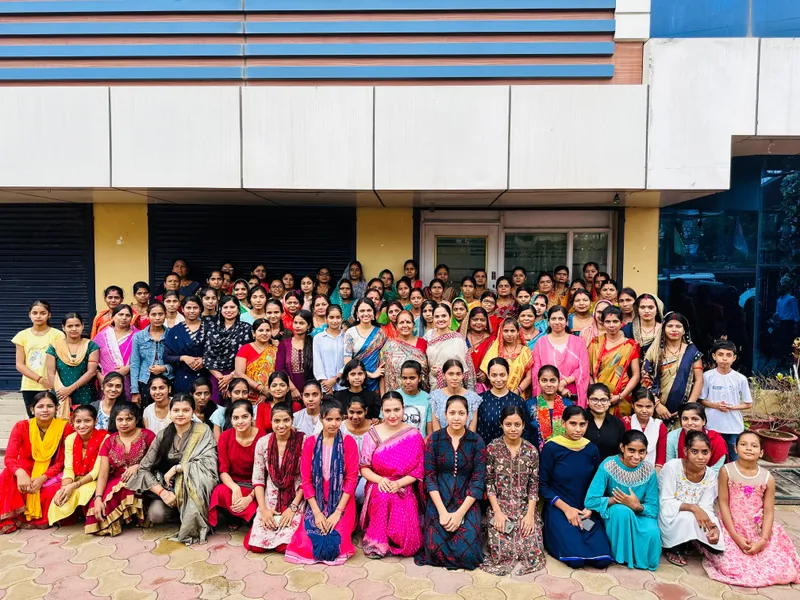
The Madhubani Paints family
Today, Madhubani Paints has empowered 250 women artisans in Darbhanga and the surrounding areas.
Most work from home, balancing household duties with earning an income. They take the material home, create pieces, and return finished products.
Earnings vary—some make Rs 8,000 per month, others Rs 10,000, Rs 15,000, or more depending on their speed, efficiency, and volume of work.
But the impact extends beyond income. Jha’s voice softens when discussing the women's transformations.
“Before, women used to come crying. They had been beaten and didn't get food at home. It was painful to hear those stories,” says Jha. She'd listen, offer support, and sometimes advance money even during uncertain times.
The changes showed in unexpected ways. "Before, husbands wouldn't let their wives come to our office. Now, they drop them off,” he adds.
Some of the artisans' children have gone abroad, others are pursuing doctorates and engineering degrees. Their lives have changed for the better.
As the business grew, Jha’s daughters came on board after completing their education, each bringing a distinct skill set. The eldest, Priti, manages the online side of the enterprise, overseeing sourcing and order fulfilment for customers in India and overseas.
Kriti, the second daughter and a chartered accountant, handles the finances. Uma, the third daughter and a fashion designer, has added a creative edge by designing apparel such as salwar suits, blouses, and menswear. She, along with Divyani, manages the business on the ground in Darbhanga, while overseeing content and social media. The youngest, Shatakshi, is still a student and is expected to join the family business in the near future.
Madhubani Paints’ creations are available on its own website, Okhai, and also rely heavily on customised orders.
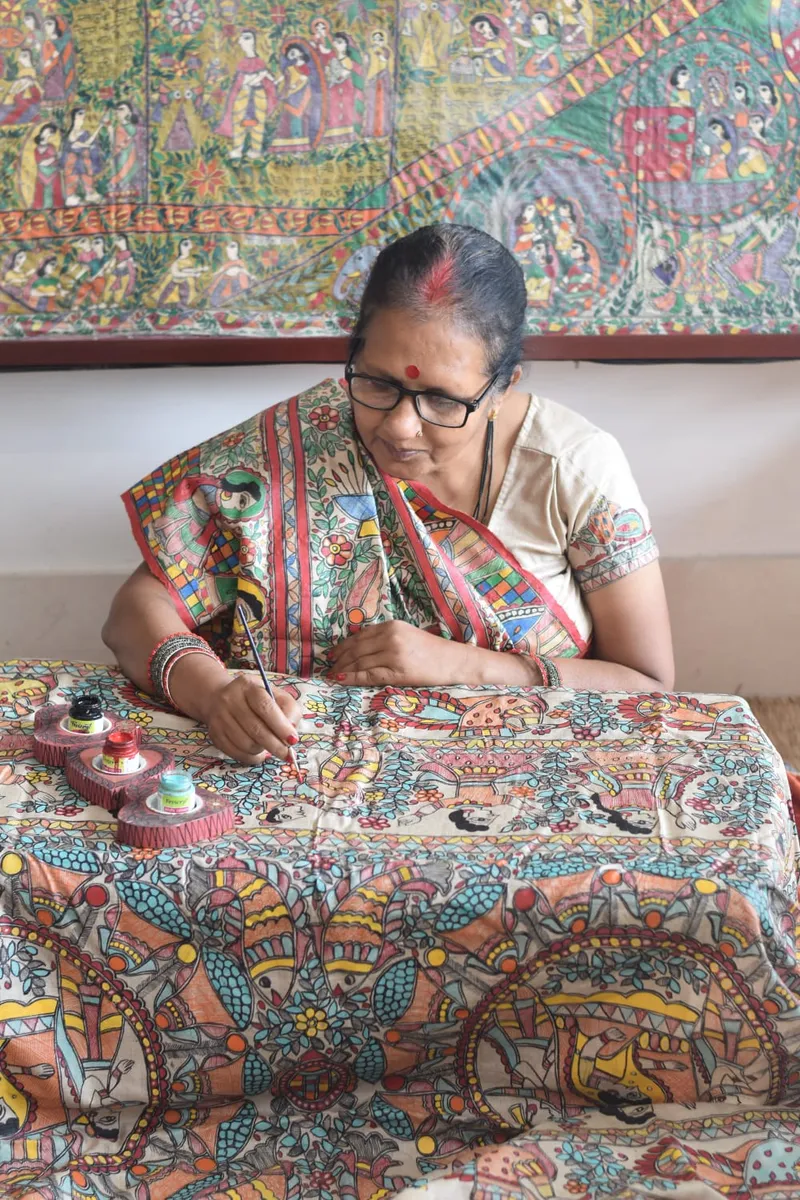
Asha Jha at work
Divyani explains that the brand’s silk saris begin at Rs 14,900 for pure, handmade tussar silk, while Chanderi saris are priced from Rs 7,900. Cotton saris range between Rs 7,500 and Rs 8,500.
In addition, the collection includes paintings, dupattas, suit pieces, slides, scarves, lehengas, and blouses, and more, offered across different price points.
Jha says their creations guarantee the quality of the fabric, colour fastness, and originality of their designs, something few others are willing to do.
“This commitment has earned lasting trust. Saris purchased 20 to 25 years ago still retail their beauty,” she says.
Thirteen national awards later, recognition came from an unexpected source. Prime Minister Narendra Modi wore her dupatta during his Bihar election campaign.
"When Modiji campaigned in Bihar, he wore the dupatta I'd sent to him long ago. When I saw him wearing it in front of so many people, I was happy. He has always been vocal about promoting Mithila art,” she says.
When asked about plans, Jha doesn't talk about revenue targets or expansion metrics.
"I pray to God that he gives me enough to employ 1,000-2,000 people. I pray that everyone is happy,” she says.
Edited by Megha Reddy