



Seven Indian organisations making everyday systems work better for women
Feminist change is often built through daily work. These organisations show how small, consistent interventions can create lasting shifts in women’s lives.

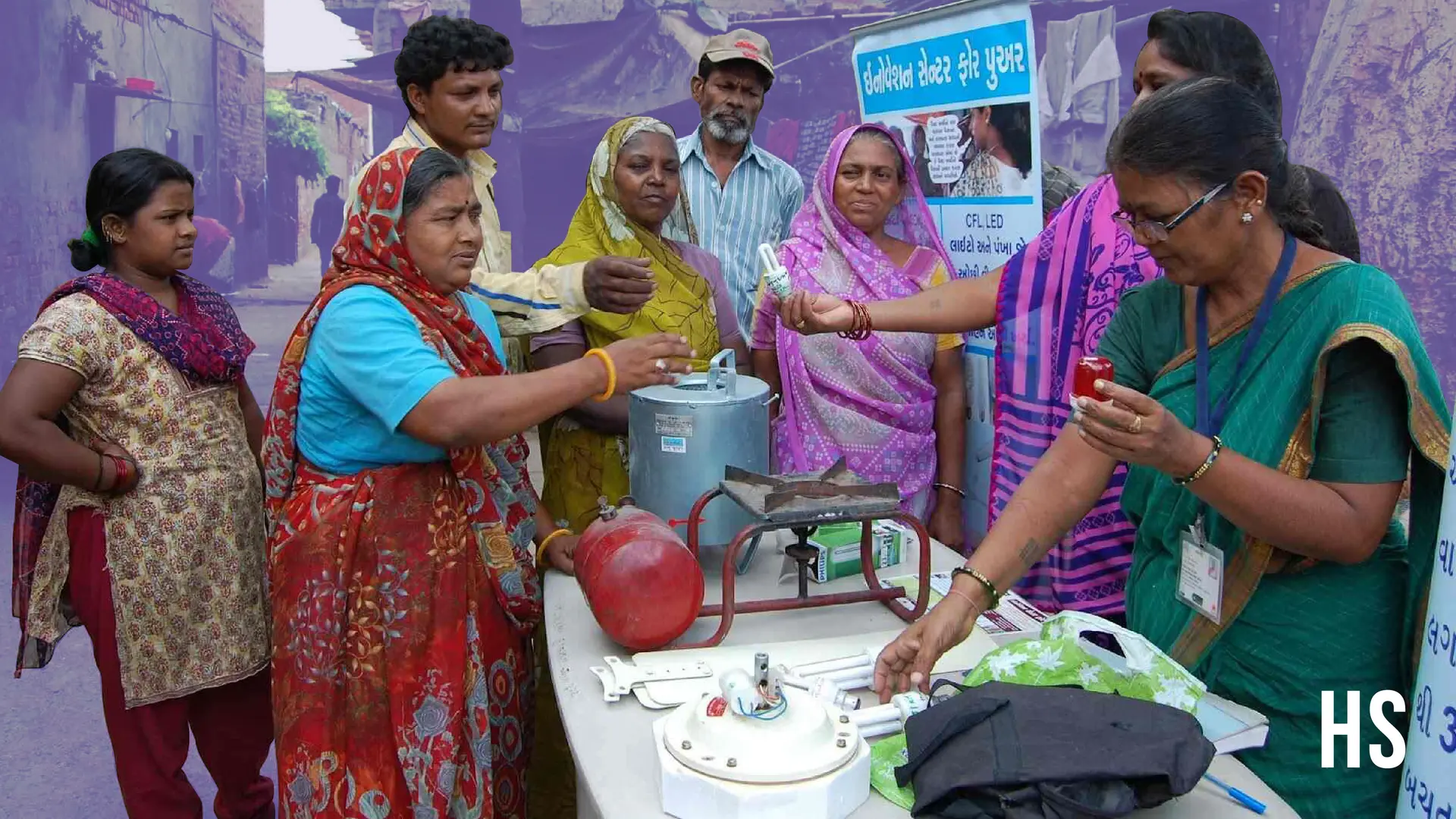

Women’s progress in India is often imagined as loud, confrontational or policy-driven. But some of the most durable shifts come from organisations that work patiently within everyday systems like labour markets, public health, housing, urban safety, and knowledge production.
By centring women’s lived realities, these groups redefine what slower, relational and practical change looks like. From organising informal workers and migrant women to embedding care within public institutions and reshaping urban spaces, these organisations demonstrate how feminism operates as daily practice rather than abstract principle.
Working Women’s Forum (Tamil Nadu)
Working Women’s Forum (WWF) was founded in 1978 in Chennai by social activist Jaya Arunachalam to organise poor, self-employed women workers. It works primarily with women in the informal sector, including vendors, home-based workers and artisans, providing access to microcredit, healthcare, childcare support and leadership training.
WWF helped establish the Indian Cooperative Network for Women (ICNW), which offers collateral-free loans through cooperative banking structures. WWF operates across multiple locations in Tamil Nadu and neighbouring states and works with over 2,00,000 women members.
The organisation is known for combining financial services with social mobilisation and labour advocacy. WWF has also participated in national and international policy forums on women’s employment and cooperative models, including recent United Nations Commission on the Status of Women sessions.
SNEHA (Mumbai)
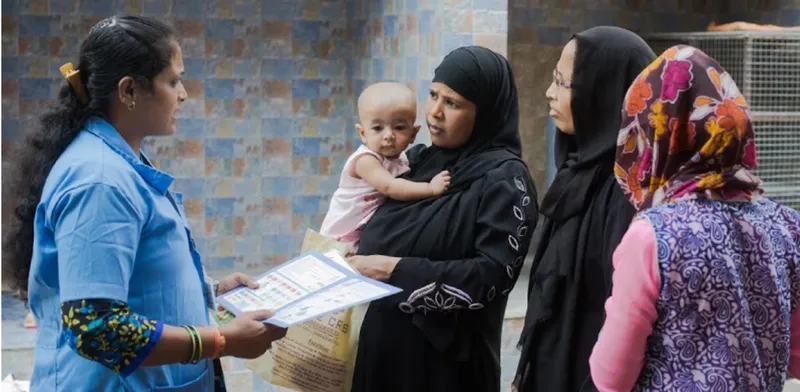
SNEHA (Society for Nutrition, Education and Health Action) is a Mumbai-based non-profit founded in 1999 that works at the intersection of public health, gender-based violence prevention and community care. It partners with the Municipal Corporation of Greater Mumbai and public hospitals to provide counselling, crisis support and referral services for women facing domestic violence.
SNEHA also runs programmes on maternal and child health, sexual and reproductive health, and adolescent wellbeing in informal settlements. Its model embeds social workers and counsellors within public health facilities, reducing the need for women to navigate multiple systems.
The organisation publishes regular annual reports and collaborates with government departments, hospitals and community groups. Its work is frequently cited in public health and urban governance discussions as an example of integrating social care into municipal health services.
Aajeevika Bureau (Rajasthan and Gujarat)
Aajeevika Bureau is a non-profit organisation founded in 2005 that works with migrant workers in Rajasthan, Gujarat and Maharashtra. Its programmes focus on labour registration, identity documentation, legal aid, occupational safety and access to social protection.
The organisation runs worker facilitation centres that help migrants—including women in construction, domestic work and informal services — obtain job cards, bank accounts and grievance redressal support.
Aajeevika Bureau has documented the vulnerabilities faced by women migrants who lack formal contracts and social security. It has collaborated with state governments, research institutions and philanthropic foundations to strengthen migrant-inclusive labour policies. During recent years, it has also worked on portable welfare access and crisis response for migrant workers affected by economic disruptions and climate-related displacement.
Mahila Housing SEWA Trust (Multiple states)
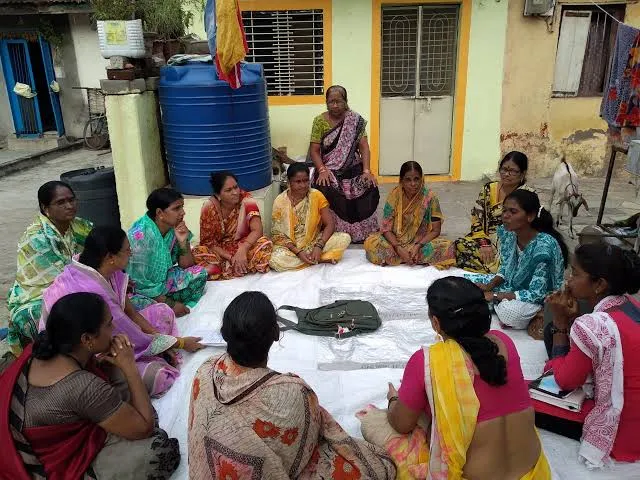
Mahila Housing SEWA Trust (MHT) was established in 1994 as a sister organisation of the Self-Employed Women’s Association (SEWA). It works with low-income women in informal settlements to improve housing conditions, access to water, sanitation, energy and secure land tenure.
MHT operates across several Indian states, including Gujarat, Maharashtra, Rajasthan and Bihar. Its programmes involve training women as community leaders to engage with local governments on infrastructure planning and service delivery. The organisation also works on climate resilience, focusing on heat stress, water security and disaster preparedness in vulnerable urban and rural areas.
MHT publishes technical reports and has partnered with municipal bodies and international agencies on housing and climate adaptation initiatives. Its approach places women at the centre of household-level infrastructure decision-making.
Jagori (North India)
Jagori is a feminist organisation founded in 1984 that works on women’s rights, safety and gender justice across northern India. It is widely known for developing and conducting women-led safety audits of public spaces, including streets, public transport systems and marketplaces.
These audits document women’s everyday experiences of mobility, lighting, crowding and harassment, and are used to inform urban planning and policy discussions.
Jagori has worked with city governments, transport authorities and civil society groups in Delhi and other cities.
In addition to safety audits, the organisation runs programmes on gender, violence prevention, and feminist leadership. Jagori’s methodology has been referenced in national and international discussions on gender-responsive urban design and has influenced how safety is conceptualised beyond surveillance-based approaches.
Anveshi Research Centre for Women’s Studies (Hyderabad)
Anveshi Research Centre for Women’s Studies is a Hyderabad-based feminist research collective established in 1985. It functions outside formal university structures and focuses on interdisciplinary research, writing, translation and public dialogue on gender, caste, labour and social movements.
Anveshi is known for producing feminist scholarship in Indian languages, particularly Telugu, and for hosting long-term reading groups, seminars and writing workshops. Its work prioritises slow, reflective knowledge production rather than project-based outputs.
The centre has published books, working papers and translations that are widely used in women’s studies and social science circles. Anveshi also maintains a public library and archive, contributing to feminist intellectual infrastructure beyond conventional academic institutions.
Swayam Shikshan Prayog (Multiple states)
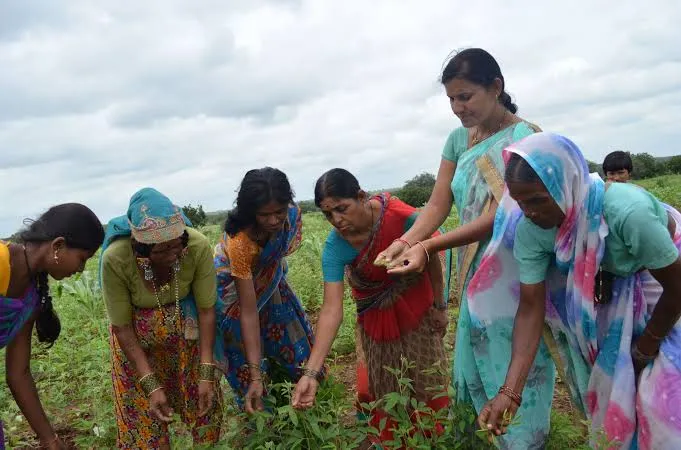
Swayam Shikshan Prayog (SSP) is a non-profit organisation founded in the 1990s that works with rural women’s collectives on livelihoods, climate resilience and community development. It operates in states such as Maharashtra, Bihar and Odisha.
SSP trains women farmers and entrepreneurs in climate-resilient agriculture, water management, clean energy solutions and health awareness. Its programmes emphasise peer learning, local leadership and income generation linked to climate adaptation. SSP has collaborated with state governments, research institutions and international agencies on resilience-building initiatives.
The organisation documents women’s role in disaster recovery and climate adaptation, positioning them as local practitioners rather than beneficiaries. Its work has been cited in discussions on gender-responsive climate action and rural development.
Edited by Affirunisa Kankudti