



Indian women at the frontlines of science, health, and climate action
On International Day of Women and Girls in Science, meet the Indian women shaping scientific research, policy and practice—from vaccines and public health to space missions and climate science.



Observed every year on February 11, the International Day of Women and Girls in Science is a reminder of both progress and persistent gaps in scientific representation. In India, women continue to contribute to some of the most consequential areas of research—public health, climate change, space exploration and energy transition—while navigating institutional and structural barriers.
This list brings together six Indian women scientists whose work spans laboratories, policy rooms and global platforms. Their disciplinary excellence and research has shaped public systems and longterm outcomes.
Gagandeep Kang: vaccine pioneer and enteric disease expert
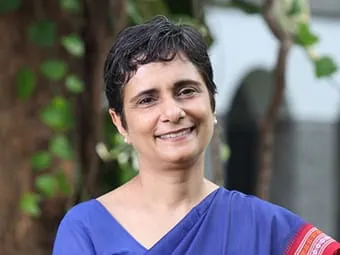
Gagandeep Kang’s name has become a global science shorthand for child health research and vaccine impact.
In 2019, she became the first Indian woman working in India to be elected a Fellow of the Royal Society, one of science’s oldest and most prestigious honours, recognising her contributions to understanding infectious diseases and vaccine science.
Born in Shimla and trained at Christian Medical College, Vellore, Kang built her career on studying enteric infections in children, other diarrhoeal diseases that cause high morbidity in low-resource settings.
Her work contributed to the development and evaluation of Indian rotavirus vaccines and strengthened the evidence base for childhood immunisation policy in India.
She has received India’s Infosys Prize in Life Sciences and the Canada Gairdner Global Health Award, and currently serves at the Bill & Melinda Gates Foundation, working on global health with a focus on enteric diseases and epidemiology.
Soumya Swaminathan: paediatrician & clinical scientist
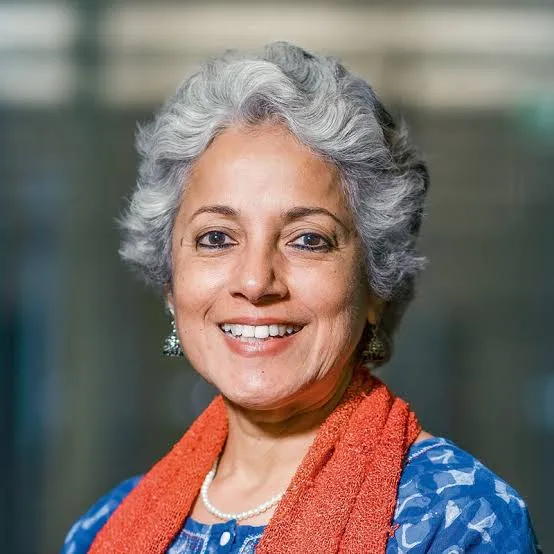
Paediatrician and clinical scientist Soumya Swaminathan’s work on tuberculosis, HIV and public health has shaped health policy in India and beyond. Born in Chennai into a family rooted in science, she trained in medicine in India, the UK and the US before building a career that spans clinical research and global health leadership.
Swaminathan served as Director General of the Indian Council of Medical Research and Secretary of India’s Department of Health Research, bridging evidence with national policy. She then joined the World Health Organization (WHO) as Deputy Director-General for Programmes and became the organisation’s first ever Chief Scientist, helping coordinate scientific efforts and equity initiatives during the COVID-19 pandemic.
She now chairs the M S Swaminathan Research Foundation and serves as Principal Advisor to India’s National Tuberculosis Elimination Programme, bridging research and health action.
Ritu Karidhal: aerospace scientist

Ritu Karidhal Srivastava, one of India’s most respected space scientists, is known for her role in the country’s interplanetary and lunar missions. Born in Lucknow, Uttar Pradesh, she pursued physics at the University of Lucknow before completing a master’s in aerospace engineering at the Indian Institute of Science, Bangalore.
Karidhal joined the Indian Space Research Organisation (ISRO) in 1997 and played a key role as Deputy Operations Director for the Mars Orbiter Mission, which made India the fourth space agency to reach Mars orbit on its first attempt. She has also overseen the Chandrayaan-2 and Chandrayaan-3 lunar missions, contributing to India’s success on the Moon.
Her work has earned her the ISRO Young Scientist Award in 2007, and was honoured with an honorary D.Sc from Lucknow University in recognition of her contributions to space science.
Karidhal continues to be featured widely for her leadership in India’s advancing space programme, inspiring a new generation of women in STEM.
Minal Pathak: climate scientist
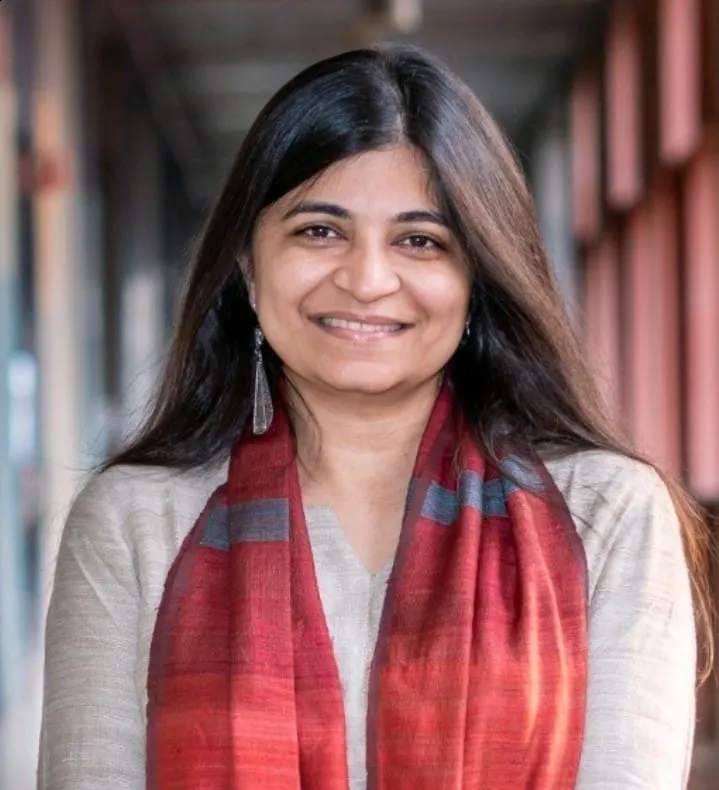
Minal Pathak is a scientist whose work bridges Indian urban science and global climate policy. Based in Ahmedabad, she is Associate Professor at the Global Centre for Environment and Energy, Ahmedabad University, and was a Senior Scientist with the Intergovernmental Panel on Climate Change (IPCC) Working Group III Technical Support Unit from 2017 to 2023, contributing to multiple special reports and the Sixth Assessment Cycle - the sixth comprehensive global climate assessment produced by the Intergovernmental Panel on Climate Change.
Her work explores how cities, transport and buildings can cut emissions and improve quality of life. Before this, she was a Visiting Researcher at Imperial College London and at the Massachusetts Institute of Technology (MIT).
As cities face rising heat and inequality, Pathak’s research offers tools to respond in a way that is inclusive to people on the ground and their needs.
Aditi Pant: pioneering Indian oceanographer
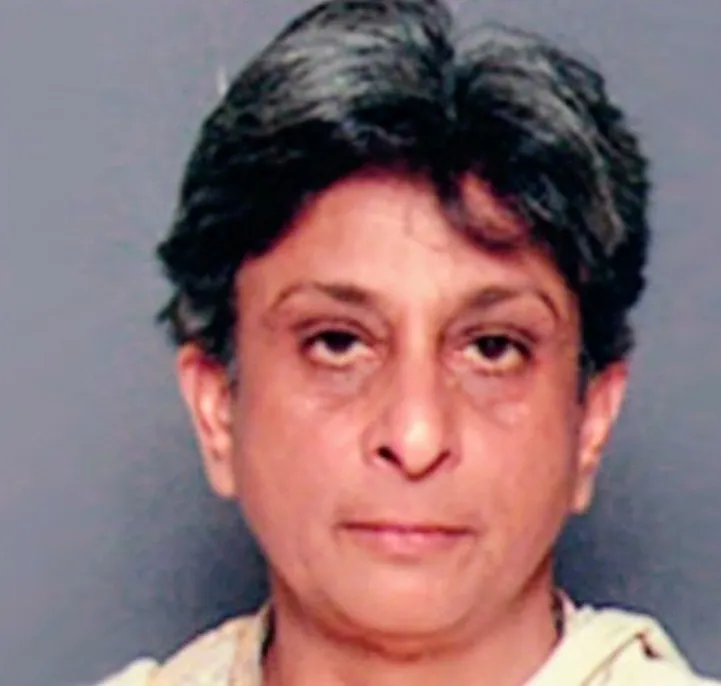
Aditi Pant became one of the first Indian women to set foot on Antarctica in 1983, a landmark moment in Indian science history. Born in Nagpur, she studied marine science at the University of Pune, then earned a Master’s in Marine Sciences from the University of Hawaii and a PhD in marine algae physiology from Westfield College, London University.
Upon returning to India, Pant joined the National Institute of Oceanography in Goa, where she led coastal studies. In Antarctica, she conducted oceanographic research under the Indian Antarctic Programme and helped lay the foundation for India’s first research base at Dakshin Gangotri.
She later worked at the National Chemical Laboratory in Pune, studying salt-tolerant microbes, and authored more than 67 scientific publications. Pant received the Antarctica Award from the Government of India for her contributions to polar science.
Neelima Alam: science, sustainability and climate technology
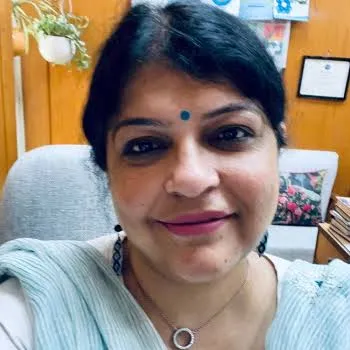
Neelima Alam is a leading Indian science policy professional working at the intersection of climate, energy and sustainable technology. She serves as a senior and experienced scientist and Associate Head of the Climate, Energy and Sustainable Technologies (CEST) Division at the Department of Science and Technology (DST), India, where she helps shape research, development and collaboration on emerging clean energy and climate solutions.
With a doctorate from All India Institute of Medical Sciences (AIIMS), New Delhi, Alam spent four years as a postdoctoral fellow in the United States before joining the DST in 2007. She initially supported early-stage technology incubation and water innovation before focusing on carbon capture, utilisation and storage and broader climate technologies.
In her current role, she promotes national and international collaborations on climate mitigation research, including partnerships under initiatives such as Mission Innovation - a global initiative of governments aimed at accelerating clean energy research, development and innovation to tackle climate change.
Edited by Affirunisa Kankudti