


This 100-year-old perfume company is reinventing scent and taste for the 21st century
Started in the early 1900s as a trading business in saffron, musk, and natural ingredients, Sacheerome has evolved into a modern R&D-driven fragrance and flavours company that supplies FMCG majors and global customers.

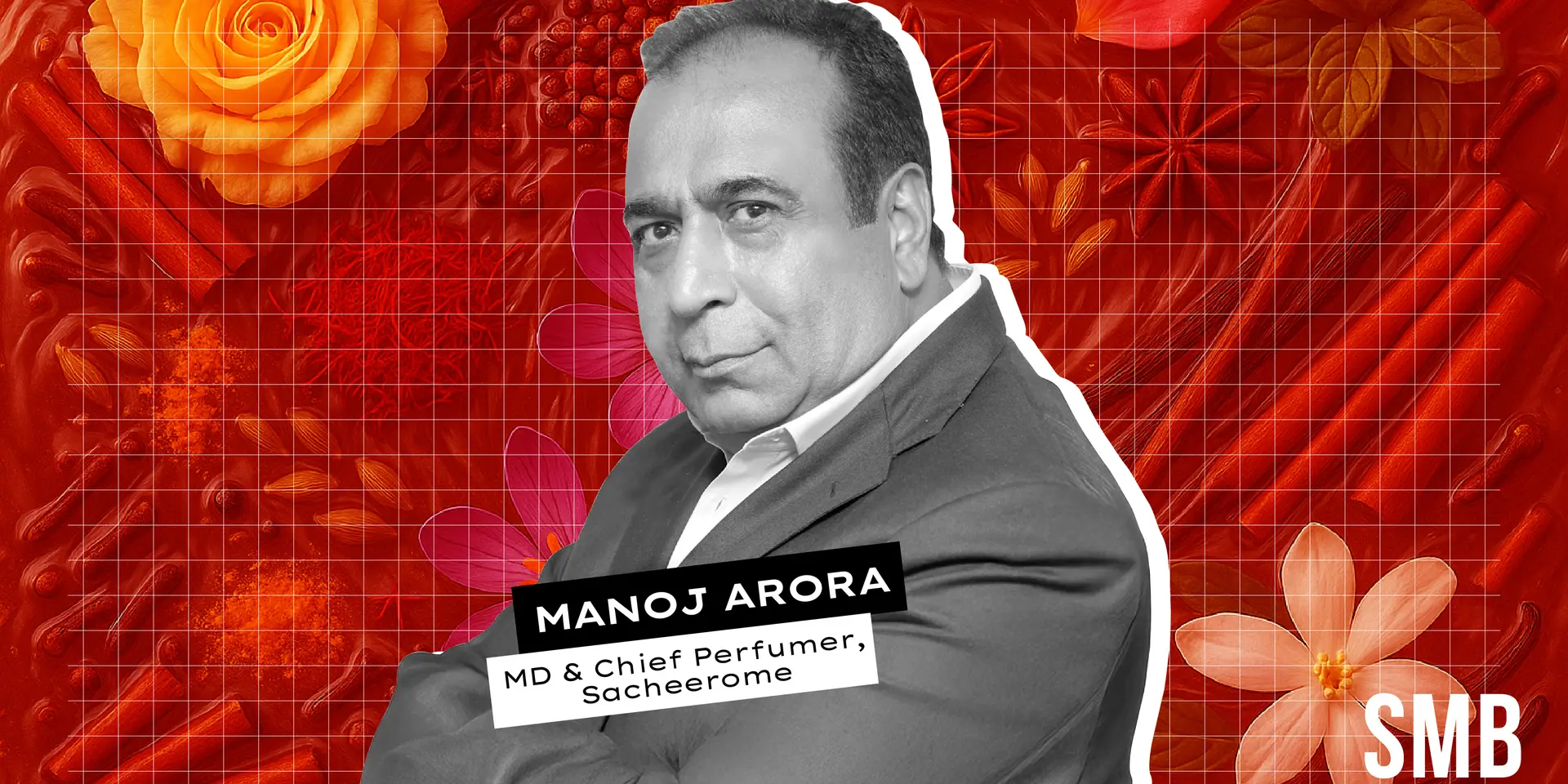

In the streets of pre-Independence Kolkata, small merchants trading saffron, musk, silk, and pearls forged a community with an entrepreneurial spirit that continues to this day.
Micro, small, and medium enterprises (MSMEs) remain the backbone of our economy, contributing 30.1% to India’s GDP (2022-23), but the marketplace has changed. Paper ledgers have become digital dashboards, hand-picked stock has made way to robot-operated production processes, and footfalls have converted into clicks. However, the essence of entrepreneurship remains the same.
Delhi-based Sacheerome’s story runs along with this industrial reinvention.
What began in the early 1900s as a trading business in saffron and musk later became Calcutta Perfumery Works. It then evolved into a modern research and development (R&D)-driven fragrance and flavours company that supplies FMCG majors and global customers across 30 countries.
“The vision was to blend our rich heritage with modern R&D and technology to cater to leading manufacturers across sectors,” says Manoj Arora, third-generation entrepreneur, Managing Director and Chief Perfumer at Sacheerome, tells SMBStory.
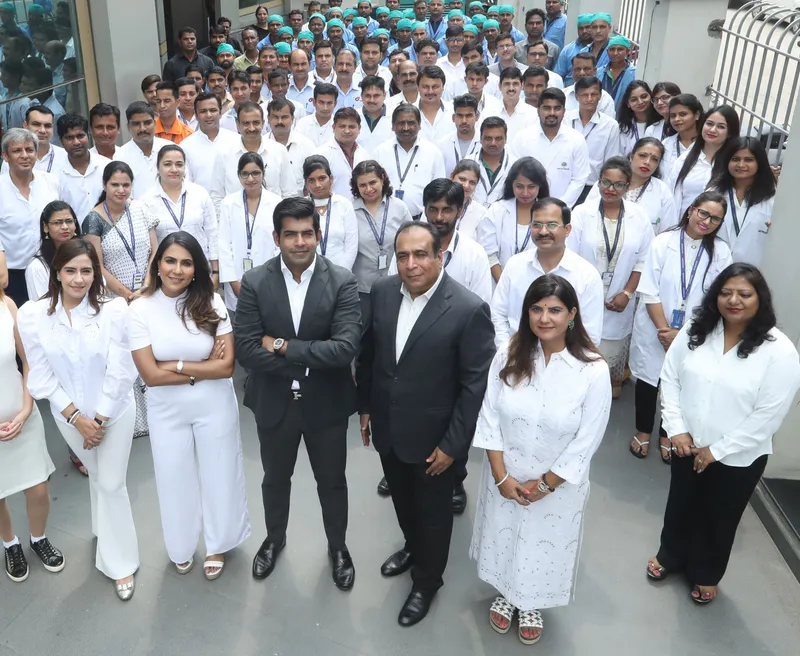
Team Sacheerome
Stepping stones
Manoj’s grandfather started trading during the Colonial era, at a time when manufacturing opportunities in India were limited, and trade was the primary means of doing business.
Post Independence, his son Amritrai Arora shifted focus towards importing and exporting aromatic ingredients, later venturing into fragrance manufacturing under the name of Calcutta Perfumery Works.
“That marked our transition from being traders to creators,” Manoj says. In 1980, Manoj formally joined the family business.
“India was still a closed economy, with significant restrictions on imports and exports...Over the years, I have witnessed a complete transformation in the fragrance industry,” he adds.
In June 1992, Manoj laid the foundation for Sacheerome by launching a fully dedicated fragrance facility in Okhla Industrial Area. “At that time, Indian FMCG players were heavily dependent on imported fragrances and flavours. Sacheerome set out to change that by crafting high-quality homegrown alternatives tailored specifically to Indian tastes and preferences,” he adds.
The early reception validated the idea. Today, the company's creations appear in over 10,000 products across 30 countries, spanning personal care, fabric care, incense, oral care and food. Some of its clients include FMCG majors like ITC, Wipro, Raymond, Dabur, Emami, and Himalaya.
With the rising demand in food and beverage categories, Sacheerome diversified into flavours in 2014. This move helped the business broaden its customer base, expanding its international footprint and making its portfolio more balanced for long-term growth. The company now also caters to bakery, confectionery, dairy, seasonings, health, and nutrition.
“It positioned us as a holistic partner to FMCG companies across both fragrance and flavour needs,” Manoj explains.
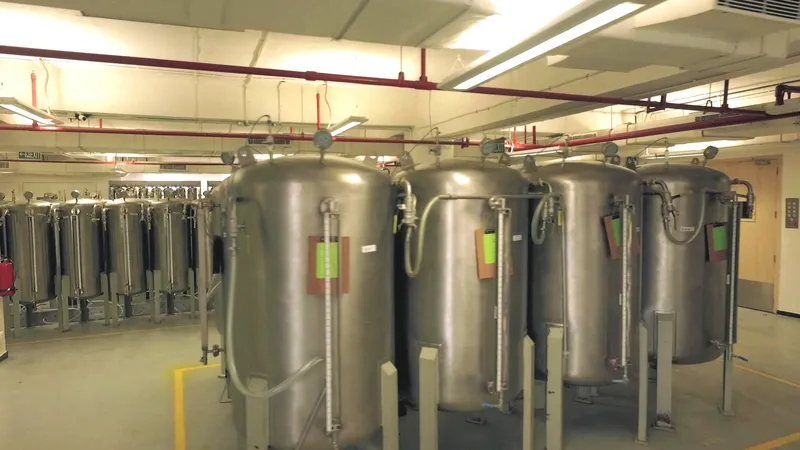
Inside Sacheerome's factory
The company has a team size of 150-plus, with 54 specialists.
Modernising the business
R&D is central to Sacheerome’s proposition. The company has a library of more than 10,000 fragrance and flavour formulations, including captive naturals, and combines consumer insight with evaluation chambers and compliance to IFRA, FSSAI and ISO standards to create category-ready formulations.
Equally important has been automation. Manoj claims that Sacheerome was the first ever company in India to launch an automated and robotic fragrance manufacturing plant, back in 2015.
Besides the 24 perfumers, flavourists and 10 evaluators, three robots have been deployed at the Okhla facility to enable the seamless blending at speeds traditional methods cannot match.
“In fragrance manufacturing, even a variance as small as 0.002 mg can alter the entire formulation. Robotics allows us to achieve the highest level of precision and consistency, ensuring that every batch meets exacting quality standards,” Manoj explains.
The facility supports production capabilities that range from 10-gram samples to 10 metric ton batches.
At present, Sacheerome operates with an annual capacity of 15,000 metric tons.
India at heart
“Sacheerome has always believed in connecting the craft of perfumery back to its traditional roots,” Manoj says. “India’s biodiversity offers a treasure trove of herbs, flowers, spices, and resins."
Sacheerome’s innovations include technology designed to create nature and ayurvedic-inspired fragrances, advanced time-release systems in which fragrances are activated by water or friction, and a technology that neutralises malodour at the source.
To help clients and creators speak the same sensory language, the company also created the Sacheerome Scent Map, a framework that organises emotions into four fragrance souls and 13 tribes.
However, entering international markets required cultural sensitivity as much as operational muscle. Sacheerome adapts formulations to regional sensorial identities. While the Middle East gravitates to luxurious, heritage notes like oud, rose and sandalwood, Asia favours bolder, functional notes.
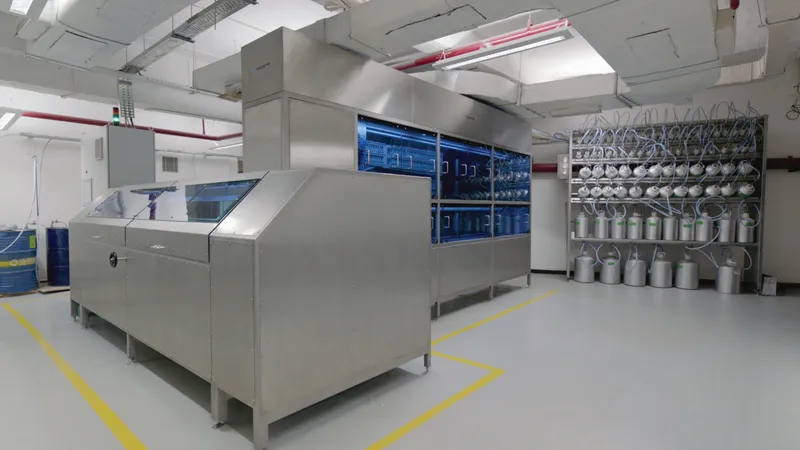
Insdie Sacheerome's factory
The company has already launched an exclusive line of oudh and bakhoor products for the UAE and Saudi Arabia markets. Manoj says the company’s future R&D hub will deepen this cultural mapping, particularly for GCC markets.
Sacheerome’s flavour portfolio spans a wide range of applications, including beverages, bakery, confectionery, dairy, health and nutrition, lip care, oral care, dry flavours and seasonings.
Number game
The global flavours and fragrances market was estimated at $32.26 billion in 2024, and was projected to reach $52.38 billion by 2033, growing at a CAGR of 5,5% from 2025 to 2033. Major Indian players in the flavours and fragrances market include Oriental Aromatics, SH Kelkar and Company, Bombay Perfumery, and Mocemsa, among others.
For FY2025, Sacheerome reported revenue from operations of Rs 107.53 crore, marking a 26.37% year-on-year growth, compared to Rs 8.51 crore in FY2024. Domestic sales remain the largest share (at Rs 99.34 crore in FY25), while exports are gaining momentum, nearly doubling from Rs 4.26 crore in FY24 to Rs 8.21 crore in FY25, with rising demand across the Middle East, Africa and Southeast Asia.
The company is planning its next growth phase by building a 21,250 sq m facility near Noida Airport (YEIDA). The facility will help Sacheerome scale production, expand R&D, and shorten concept-to-market cycles, while embedding water and energy conservation, traceability and ethical sourcing into operations.
“To further strengthen this capability, we are planning to add six more robots at our upcoming Greater Noida facility,” Manoj adds.
Beyond robotics and precision manufacturing, the company is experimenting with virtual reality in its Innovation Centre to create immersive scent experiences.
Besides this, the company will continue to deepen its relationship with leading FMCG players in India while expanding its global presence across high-growth markets in the Middle East, Africa, and Southeast Asia.
“My goal was never to replace the legacy, but to build on it and make it future-ready,” Manoj concludes.
(The copy was updated for clarity)
Edited by Affirunisa Kankudti