



House of Bindu, started by an auto-rickshaw-driver-turned-entrepreneur, is now a Rs 570-crore FMCG brand
Karnataka-based SG Corporates, which sells desi carbonated beverages, fruit-based drinks, and snacks under the ‘House of Bindu’ brand, is eyeing national expansion and a revenue of Rs 1,000 crore by FY28.


In the early 2000s, when most homegrown fast moving consumer goods (FMCG) brands were struggling to compete against the global beverage giants Coca-Cola and Pepsi, an auto rickshaw driver in Bellare village in Dakshin Karnataka decided to shake the market by taking an unconventional route.
Sathya Shankar went back to Indian roots to launch Bindu Fizz Jeera Masala—a spiced carbonated drink crafted around jeera or cumin, a household staple known for its digestive properties. On crowded retail shelves dominated by colas and lemon sodas, Bindu Jeera’s distinctive taste stood out.
Today, SG Corporates, the company founded by Sathya, has grown into a diversified FMCG retailer selling carbonated beverages, fruit-based drinks, and snacks under the ‘House of Bindu’ brand.
While the brand earlier focused on Karnataka, it is now available also across Telangana, Tamil Nadu, Odisha, and West Bengal.
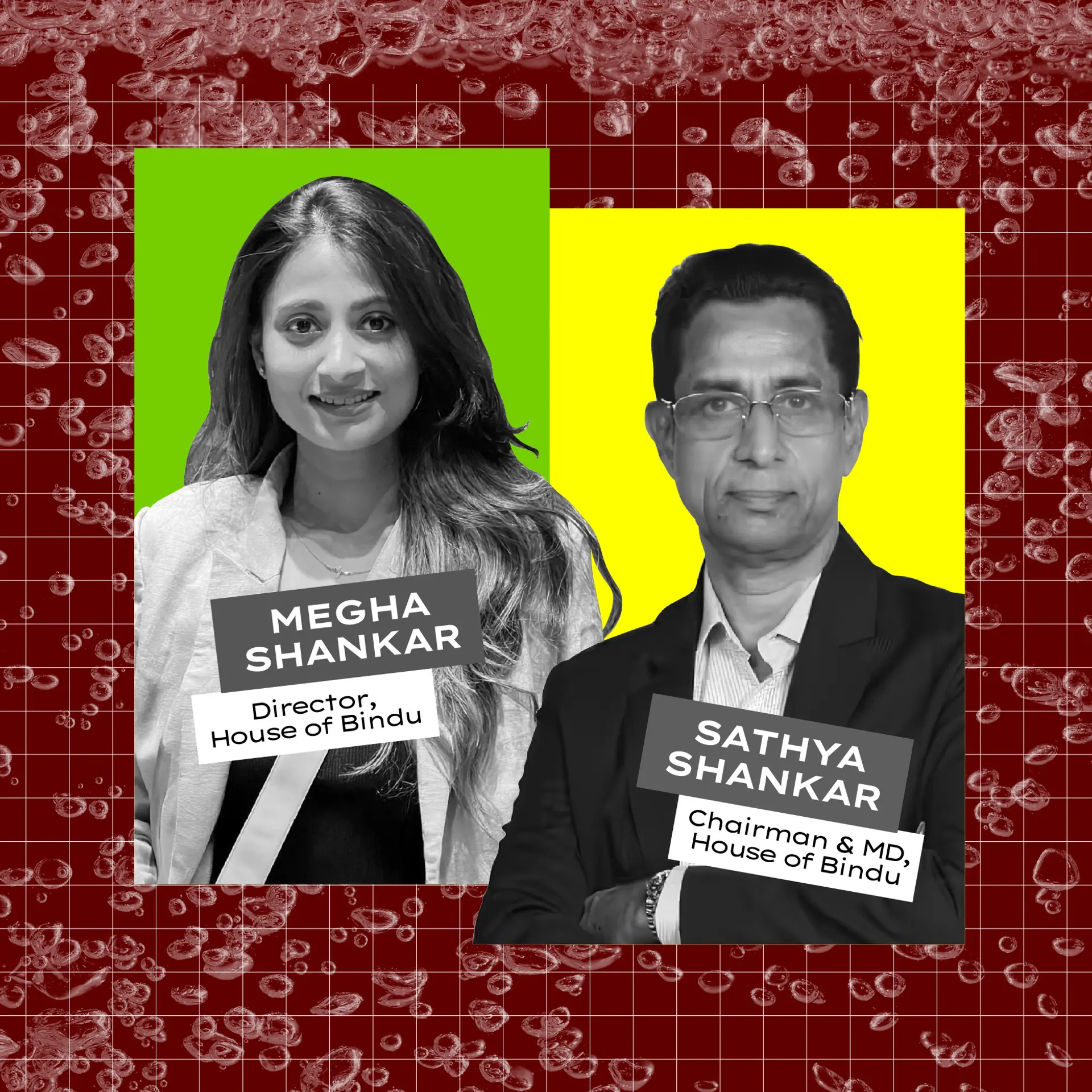
House of Bindu is now gearing up for a bigger national expansion under the leadership of Sathya and his daughter Megha Shankar, Director (Business, Marketing and Strategy), SG Corporates. The brand, which clocked a revenue of Rs 570 crore in FY2025, is eyeing Rs 1,000 crore in the next three years and also aiming for an IPO.

Megha Shankar, Director (Business, Marketing and Strategy) at SG Corporates, parent company of House of Bindu
Humble beginnings
Sathya was born into an agricultural family in Puttur, Sullia Taluk of Dakshina Kannada district. He dropped out after pre-university to earn a livelihood. With the help of the central government self-employment scheme and bank finance, he bought an auto rickshaw in 1982.
“Driving that auto was my first step towards independence,” Sathya tells SMB Story in a virtual interview.
After saving enough money, he sold the auto rickshaw to buy an Ambassador car in 1985. Three years later, he traded the car to start an automobile tyre and spare parts shop—this was his first taste of entrepreneurship.
In 1994, he diversified into auto financing with Praveen Capital. However, his vision was always larger.
At a time when the youth in Puttur were migrating to Mumbai and Bengaluru in search of jobs, Sathya wanted to create employment locally—“so our people didn’t have to leave home,” he says.
This thought seeded an idea for what would eventually become the House of Bindu.
In 2000, Sathya founded SG Corporates to venture into packaged mineral water, under the name Bindu. However, the turning point came with the launch of ethnic beverages in 2002, and the introduction of Bindu Fizz Jeeza Masala.
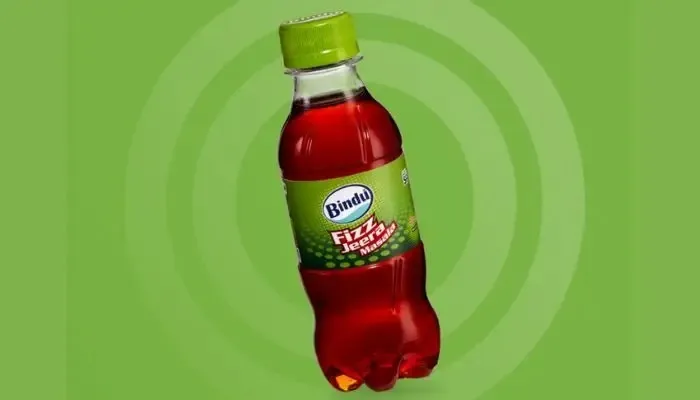
Bindu Fizz Jeera Masala by House of Bindu
The decision to launch an ethnic beverage was not just strategic but also cultural—an attempt to bottle the nostalgia of an age-old digestive drink. And the gamble paid off.
Over the years, he expanded the company’s portfolio to Sip On fruit drinks in mango, litchi, and lemon flavours. He also launched a fizzy fruit drink Fruzon in green apple, orange and strawberry flavours; and later Snak Up in 2012, with chips, onion rings, and snacks in flavours of South Indian pickle and green chutney.
Bindu Jeera, Sip On, Fruzon, and Snak Up are all part of House of Bindu.
In 2017, Sathya passed the baton to his daughter Megha. The medical graduate-turned-entrepreneur brought a fresh perspective to the business. She was responsible for rebranding the FMCG arm of SG Corporates as ‘House of Bindu.’
“Consumers are always sceptical when trying a new product. With the House of Bindu logo across beverages and snacks, we gave them an assurance of quality and trust. If they trust Jeera, they’ll trust Sip On mango too,” Megha explains.
Challenges of scaling up
Launching an Indian ethnic beverage in a market dominated by global giants naturally came with hurdles.
“Taste, quality and availability became our non-negotiables,” says Sathya. “Once people tasted Bindu Jeera, they realised it was something different, and it stayed with them. But availability was critical. If a product is missing from a shop even once, you lose trust,” he adds.
Thus, distribution, consumer awareness and consistency became the key.
Under Megha’s leadership, Bindu stepped into modern trade (DMart, Reliance retail chains), and quick commerce (Instamart, Blinkit, Zepto), ecommerce (Amazon, Flipkart, BigBasket) channels. She also introduced digital-first marketing initiatives with social media campaigns, influencer collaborations, shop boards, and even a corporate film.
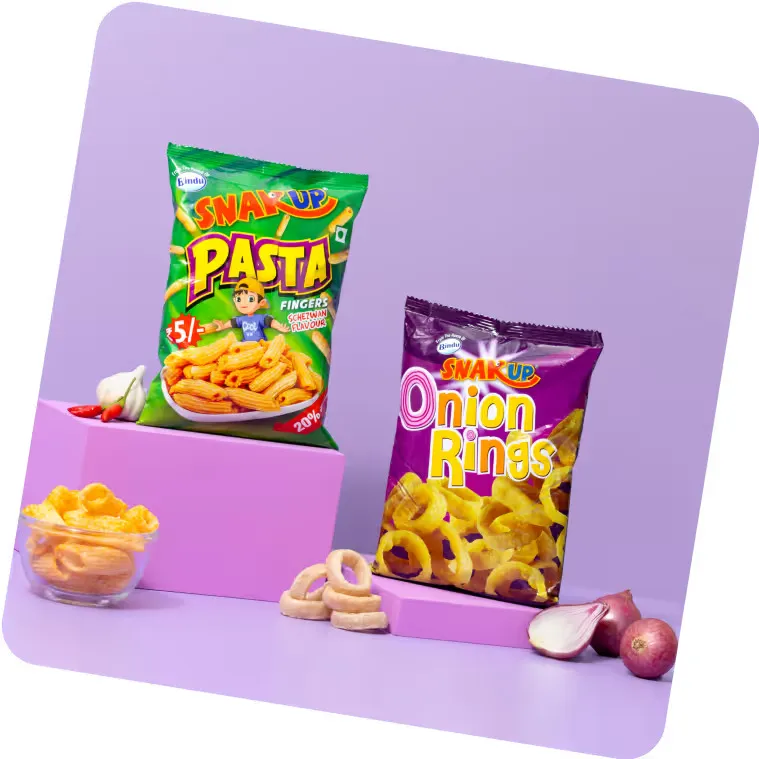
Snak Up Snacks from the House of Bindu
Unlike multinational brands that poured millions into marketing, House of Bindu bet on retailer and grassroots-level distribution. Today, the widespread network has helped the brand secure a stronghold across South Indian.
House of Bindu is now rolling out its products in Uttar Pradesh, Bihar, Maharashtra, Gujarat, Rajasthan, Punjab and Delhi-NCR. The challenge, however, is balancing regional taste preferences with national ambitions.
“Coke and Pepsi have a different taste, Bindu Jeera has a different tase… People just need to taste it once. With enough sampling and marketing, we’re confident they will adopt it,” says Sathya.
The brand is currently at 2.5-plus lakh retail touchpoints with a multi-channel distribution model and trade marketing investments, and is targeting 5 lakh outlets with the nation-wide expansion plan.
The company has manufacturing plants in Puttur, and Sangareddy (Hyderabad). A Rs 125-crore facility was set up recently in Visakhapatnam to boost manufacturing capacity and cut logistics costs for northern and eastern markets.
House of Bindu appointed L Syamprasad (ex-Marico and Britannia executive) as its COO in March this year, to lead the company’s growth and national expansion. Abhishek Bhardwaj (ex-Unilever and PepsiCo) was roped in January this year, as the National Sales Manager for Emerging Markets. Additionally, the company has onboarded over 400 professionals to scale general trade.
The number game
Today, jeera, mango, and lemon beverages and water are the company’s top-sellers. Onion rings is the leader in the snacks category. Beverages contribute 80% to total sales, and snacks the remaining. “Over time we want to balance this mix,” says Megha.
House of Bindu does not shy away from innovation. With health-forward products in mind, the brand is gearing up to launch a drink based on nannari root, known for its antioxidant properties; kokum with fizz; and new fruit blends under Sip On. The brand is also exploring milk-based wellness drinks.
With an eye on the public markets, House of Bindu is now focused on scale and profitability.
Megha reveals that the company is targeting a revenue of Rs 1,000 crore by FY2028, and is eyeing an IPO within the next two to three years.
The Indian soft drinks market size was valued at $20.7 billion in 2024, and it is expected to reach $32.1 billion by 2033, growing at a CAGR of 4.6%. While mainstream sodas dominate the market by volume, Megha is positive about creating a significant dent in the market.
“GenZ is a hard nut to crack. But they are eager to try new flavours, especially ones that are connected to our roots,” she says.
She believes staying relevant through influencers, digital campaigns, and innovations will keep House of Bindu in the game.
Edited by Swetha Kannan