



SMBs emerge as the backbone of festive ecommerce sales
Small and medium businesses are powering India’s festive ecommerce boom, driving record sales, inclusion, and digital growth across platforms.

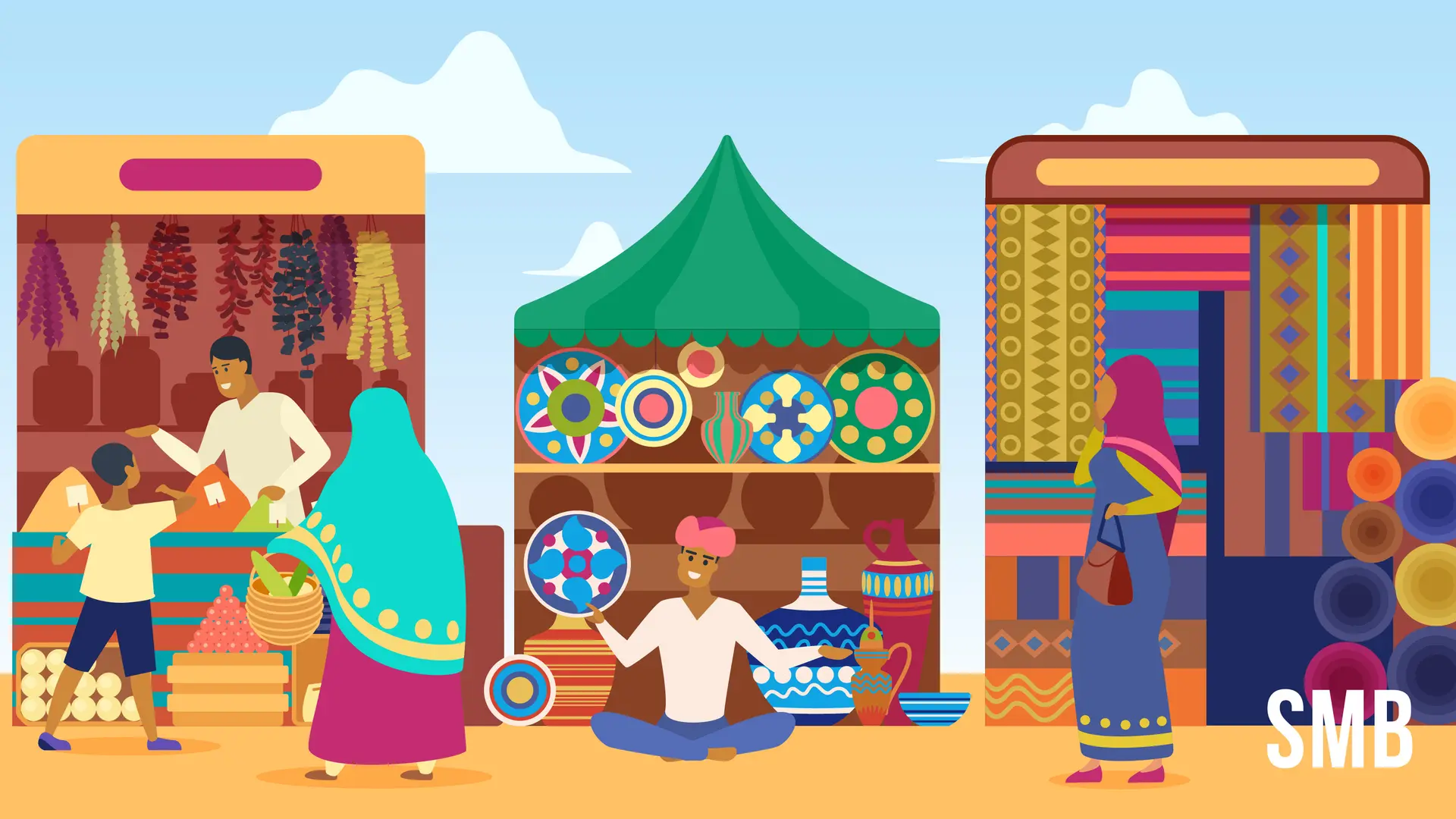

Small and medium businesses (SMBs) are driving ecommerce sales this festive season.
According to research and consulting firm Infisum’s ‘Empower India Festive Performance Report 2025’, ecommerce giant Amazon saw over 16,000 of its SMBs triple their sales. Social commerce unicorn Meesho also recorded 48,000 sellers doubling their volumes, compared to regular business days.
The report further states that Tier II and III markets now account for over 70% of traffic across ecommerce platforms.
While more than 70% shoppers on Amazon were from beyond the nine metros, Meesho saw close to 74% demand from Tier II and smaller towns. Flipkart recorded strong participation from Tier II cities like Indore, Surat and Varanasi. This means that Tier II and Tier III India are no longer “emerging markets” within India.

Indian whisky on the global map: Why Amrut thinks producing 6 million cases isn’t enough
For the last couple of years, leading ecommerce players have been significantly focusing on programmes and initiatives that support small homegrown businesses.
In 2019, Walmart-owned Flipkart launched the Samarth programme that provides market access, training, and support for SMBs. In 2021, Flipkart signed a Memorandum of Understanding (MoU) with the Ministry of Rural Development of the Government of India (MoRD) for its Deendayal Antyodaya Tojana—National Rural Livelihood Mission programme, aimed at empowering local businesses and self-help groups (SHGs).
As of 2022, the programme supported seven lakh livelihoods across the country, and the number saw a 300% growth the next year, according to media reports.
Amazon launched its ‘Local Shops on Amazon' initiative in April 2020 to help SMBs scale operations and reach new customers. As of September 2024, the programme had already onboarded 3.5 lakh retailers across 450+ cities.
According to the report, Amazon, which has the most extensive ecommerce delivery infrastructure, delivering to 99.6% pincodes in India, delivered close to 50 lakh orders in Tier II and Tier III cities within 48 hours. Meeho experienced lower logistics efficiency, delivering orders within seven to 10 days on average.
Meesho’s zero-commission model and social commerce approach have reduced entry barriers for small retailers, empowering more than seven million small sellers. It has become the default entry point to ecommerce for India’s smaller towns and rural markets.
A Bain & Company research reveals that Meesho captures 60% of first-time ecommerce users. This data can be attributed to the social commerce platform’s understanding of price-sensitive consumers. Meesho offers the lowest price points—up to 30-40% below traditional marketplaces, with 75% of its product catalog priced under Rs 500.
Edited by Affirunisa Kankudti