



Bridging worlds: How Deepa Pawar’s Mann Boli is contextualising mental health for marginalised communities
Shaped by her own experiences as a woman from a tribal community, Deepa Pawar’s book builds a vocabulary of mental health that emerges from metaphors, games, folk idioms, personal histories, and cultural memory.

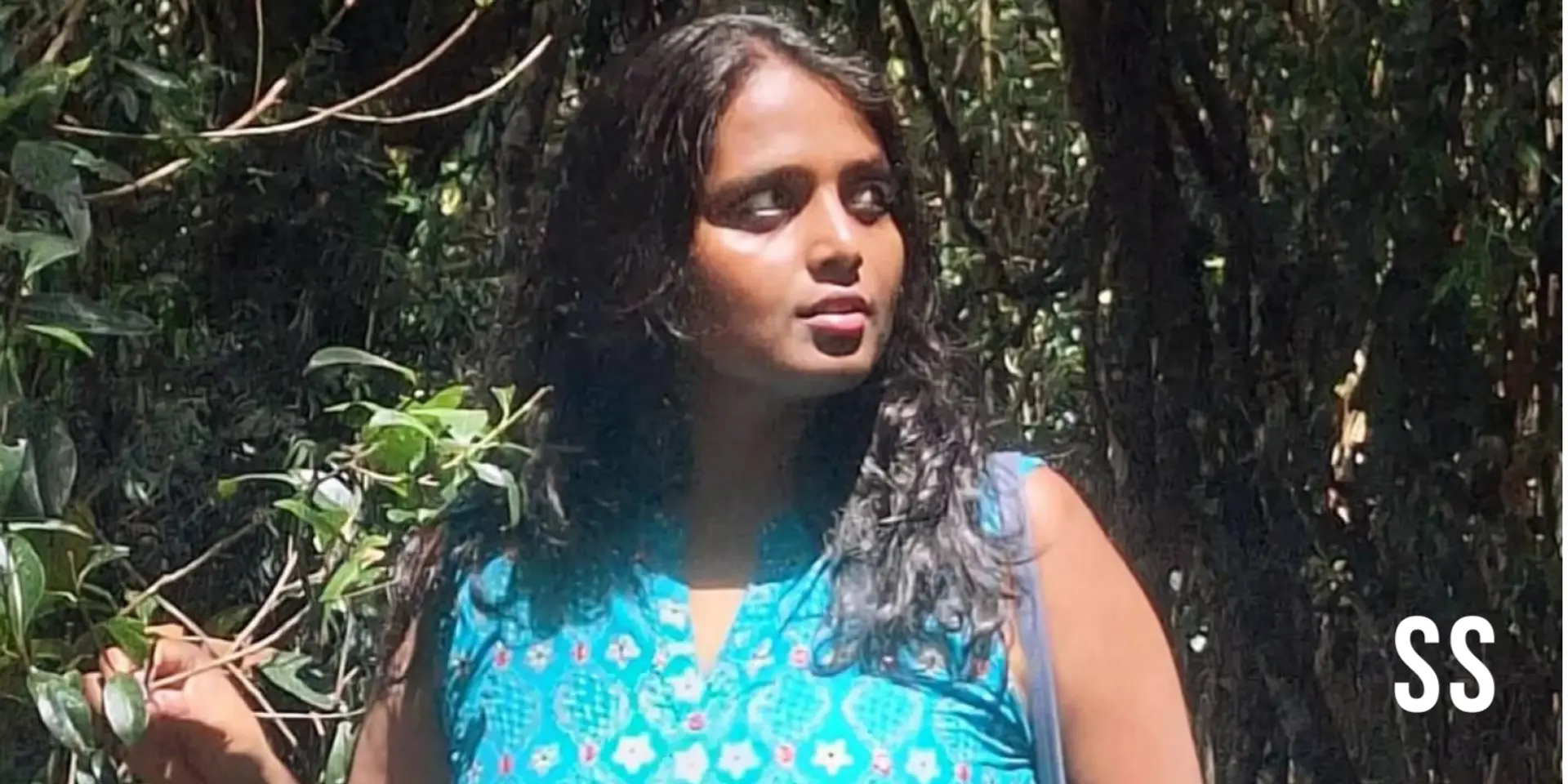

In a country as diverse and complex as India, mental health conversations are often layered with cultural silences, linguistic barriers, and historical exclusions. Deepa Pawar, co-founder of Anubhuti Trust, has spent years listening to those silences and breaking them open with the empathy and wisdom that comes with lived experience and innovation.
Pawar’s recently released book, Mann Boli — which translates roughly to ‘Language of the Heart’ — is a pioneering work that shines a crucial light on the systemic barriers, cultural stigmas, and lack of culturally relevant frameworks that Dalit and Adivasi communities face in accessing mental health care.
“What is the name for the heaviness we carry every day, without even comprehending it’s traumatic or painful?”
Deepa Pawar remembers this question from a young woman during a community workshop — a moment of exploration that became among the many questions that Mann Boli seeks to answer. For Pawar, these unnamed burdens aren’t just individual struggles, but reflections of systemic neglect and silencing.
Pawar’s own journey is indispensable to this book; her journey navigating these fragile layers of identity and survival as a young woman from the Ghisadi (Gadiya Lohar) nomadic tribe, and firsthand understanding of mental health as something interwoven with caste, poverty, gender, language, and power.
“At Anubhuti, we don’t speak the NGO language of ‘therapy or outreach’. We aspire everyday to build a new grammar of care, rooted in the realities of historically marginalised communities,” she says.
Why Mann Boli?
The impetus behind Mann Boli came from Pawar’s growing awareness that most mental health conversations fail to speak to the lives of people who’ve had to endure systemic oppression — whether through caste, class, language, or generational trauma.
“Mental health care in India is largely urban, dominant caste and privileged — it does not speak to the realities of the majority. Our work is focussed on creating language and frameworks that reflect those realities,” she tells SocialStory.
And so, Mann Boli, written in English, is a linguistic and conceptual intervention, she says.
It comes alive with metaphors, stories, and local idioms that can bridge the gap between clinical mental health and the community’s everyday understanding of distress, resilience, and healing.
Take the use of the “salt metaphor”, for instance.
“In our activities with community members, we draw parallels between mental health and salt used as seasoning in food: only the one eating knows how much salt is enough — it’s the same with mental health,” Pawar explains. “You know your pain, your limits, your history. That means you should also have the right to decide what kind of care you need — not what’s handed to you in a clinic or fixed with a pill,” she adds.
The book incorporates local games and folk activities to explain emotional states and coping mechanisms; the reimagining of Housie for instance. In their reimagined version of the game, Anubhuti replaces numbers with words like “fear”, “hunger”, “addiction”, “silence at home”. “People who had never spoken about mental health began opening up during the game,” Pawar says. “So, we added this game activity as a tool of engagement in the book as well.”
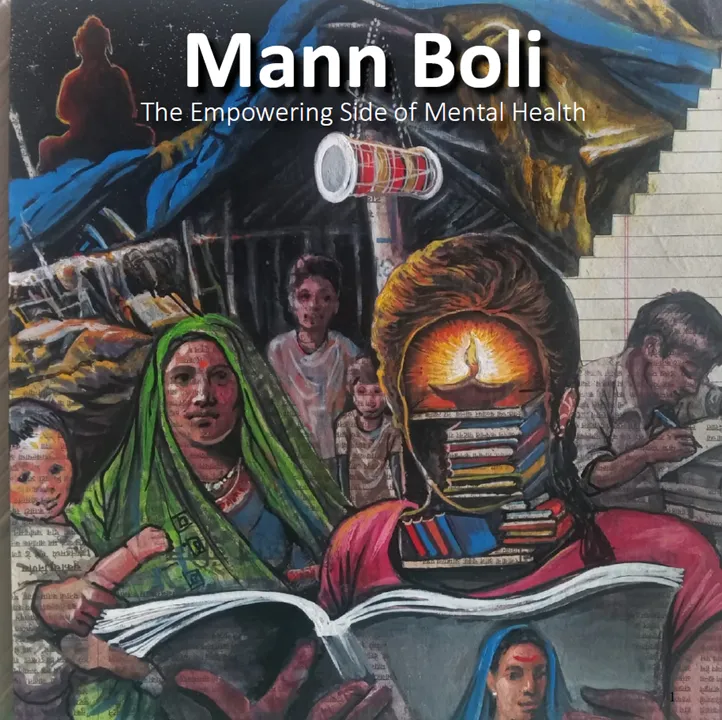
The book incorporates local games and folk activities to explain emotional states and coping mechanisms; the reimagining of the game Housie for instance. Cover design by Sanjive Sonpimapre
It’s this disarming familiarity — through a game everyone knows — that breaks through stigma and creates collective language around mental states that are otherwise hidden or silenced.
Pawar shares that by embedding distress in familiar formats and colloquial terms, games create space for communities to name and own their mental realities — something mainstream mental health spaces often deny them through their hyper individualistic approach.
These interactive exercises serve as informal therapeutic tools rooted in the community’s own cultural practices.
Educating mental health professionals and communities alike
Pawar’s vision extends beyond the book. She is actively working to educate mental health professionals about local realities and cultural contexts. Too often, she points out, MHPs are trained in universalised clinical models that lack sensitivity to caste, tribal identity, or linguistic diversity.
Through workshops, training sessions, and collaborative dialogues, Pawar and Anubhuti Trust are fostering a cadre of culturally informed practitioners who can navigate these complexities with humility and respect. She says, “It is essential for therapists to understand the socio-political history that shapes a client’s mental health — otherwise, care risks becoming irrelevant or even harmful.”
Simultaneously, Mann Boli functions as a tool to empower local communities themselves. By providing language and frameworks to talk about mental health, the book enables people to recognise distress, seek help, and challenge stigma within their own social contexts. Pawar stresses the importance of co-creating these narratives with communities rather than imposing external definitions.
Mental health cannot be separated from the realities of oppression that people live every day. Mann Boli, therefore, attempts to fill this void by centring narratives from Dalit and Adivasi lived experiences. It includes case studies and stories that reveal how historical trauma manifests in contemporary mental health challenges — from anxiety born out of systemic violence to depression linked with social isolation.
Towards a new mental health praxis
Deepa Pawar’s work through Anubhuti Trust and Mann Boli is a radical invitation to rethink mental health in India. It asks practitioners, policymakers, and communities to recognise that healing is not merely clinical but cultural, social, and political.
By creating language that speaks to local realities, Pawar is opening pathways for mental health to become a shared conversation rather than a marginalised diagnosis. Her work challenges dominant narratives that frame mental health as a problem to be fixed solely by experts, instead advocating for collective understanding and resilience-building.
"Mental health belongs to everyone — but for it to be accessible and healing, it must grow from within people’s own stories, languages, and communities," she says.
The book is available at Anubhuti Trust. You can send an email to [email protected].
Edited by Jyoti Narayan