



These teenagers and women from UP and Jharkhand are rewriting the rules on gender
From confronting harassment to reviving access to education, Breakthrough India’s young community leaders are turning fear into resistance, and silence into sustained change.


In rural India, a catcall can cost a girl her education, her freedom, or even her childhood. Because in the face of harassment, the families here often choose silence, seclusion, or early marriage over resistance.
Studies show that, unlike in urban areas, where support systems and progressive attitudes may offer some resilience, rural communities frequently respond to such incidents by withdrawing girls from school or arranging early marriages to protect family honour. This reaction stems from entrenched patriarchal norms that prioritise reputation over girls' rights.
For girls in Bibipur village, Uttar Pradesh, things were no different.
A narrow bridge—one they had to cross daily—became a hotspot for harassment, where men loitered, whistled, hurled comments, and demanded phone numbers.
What seemed like a routine nuisance quickly escalated into a turning point, as families, gripped by fear and shame, began pulling their daughters out of school. For many, this loss of education wasn’t temporary; it set off a chain reaction of early marriage, limited agency, and the erasure of dreams.
An intervention by Delhi-based NGO Breakthrough India changed this cycle of gendered violence forever. Thanks to Breakthrough India’s ‘Deep Transformation through Community Engagement’ programme, which is a comprehensive initiative aimed at dismantling entrenched gender norms and preventing violence against women and girls by fostering community-led change.
As a human rights organisation working against gender-based violence and discrimination, Breakthrough India has impacted over 2.3 million adolescents across four states—Uttar Pradesh, Jharkhand, Delhi, and Haryana—directly, and in partnership with Punjab and Odisha state governments.
Its programme engages teens and young adults through a life-skills-based gender equality curriculum, empowers youth to recognise and challenge gender-based discrimination and develop leadership skills.
The programme involves educators, parents, village elders, and local governance structures, to create a supportive ecosystem for sustained transformation. Young adults aged 19 to 25 are trained as Team Change Leaders (TCLs), who act as catalysts for community engagement, addressing issues like school dropout rates, early marriage, and gender-based violence.
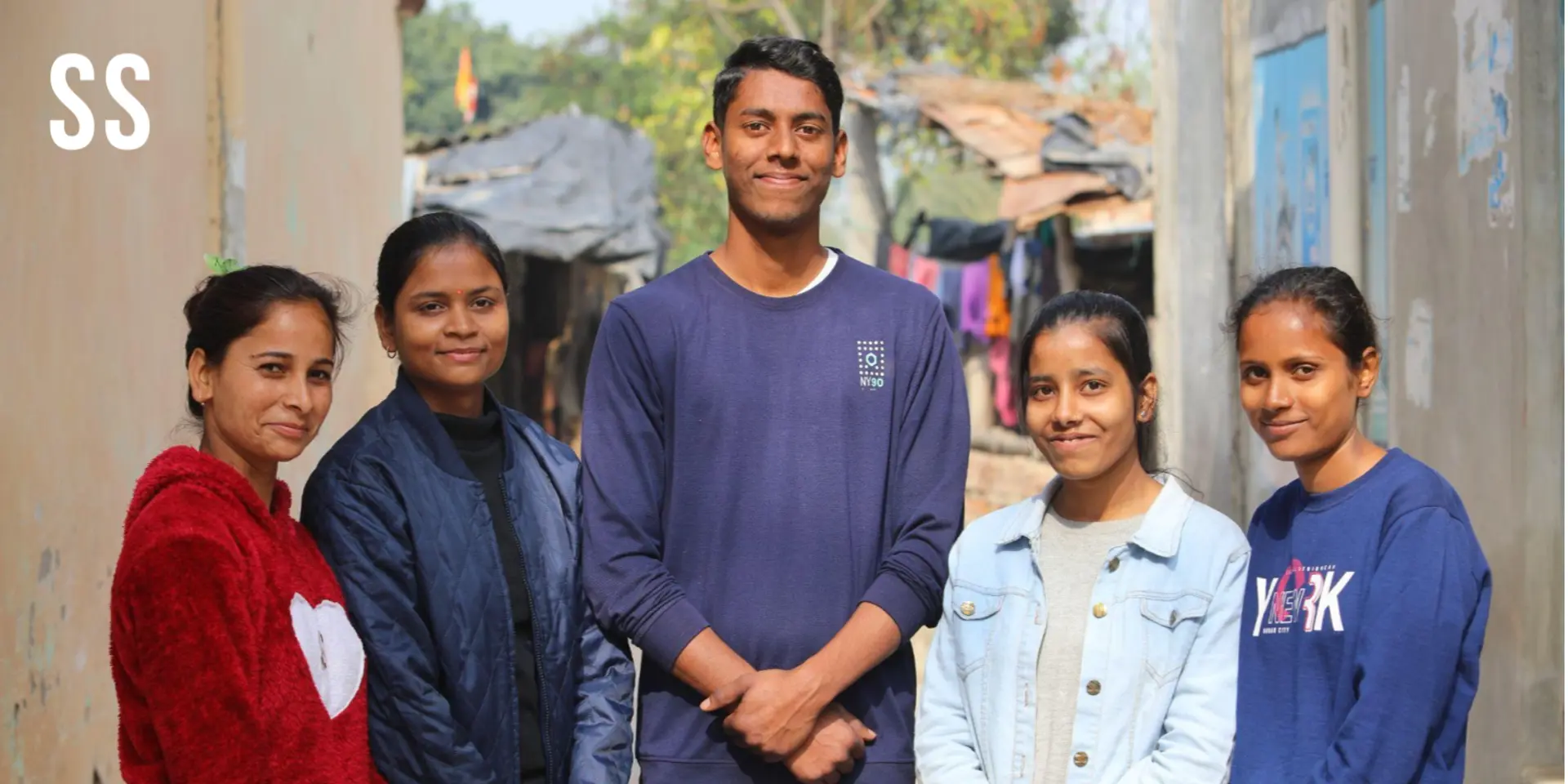
Shivani Maurya, 20, is one such leader from Bibipur. “Harassment by men was one of the many problems plaguing our village,” she says. “Through our sessions with Breakthrough India, we learnt that girls have fundamental rights - to education, movement and career. Up until then, no one articulated them to us, because our society never placed girls at the centre of our lives and choices.”
Maurya, along with some friends from her village, formed a group called ‘Chamakte Sitare’ (Sparkling Stars), who then used the leadership and communication skills they had picked up during their training to galvanise other peers. Together, they conducted a social resource mapping of places in the village where most harassment took place, and shared its impact on the women during a Panchayati Raj Institution meeting.
The turning point came when local leaders, including then-pradhan (elected head of the gram panchayat) Ramesh Kumar and current pradhan Surendra Kumar, committed to taking action.
“The youngsters of our village educated us on not just their daily struggles but their earnest desire for freedom and mobility. This fuelled us to form a ‘Nigrani Samiti’ (monitoring committee), which then flagged sensitive areas in the village, where street lights and CCTV cameras were installed,” says Surendra Kumar.
The group also pushed for other concrete steps from the local administration: clearing shrubs for visibility, issuing public warnings to known troublemakers, and even threatening legal action if the behaviour continued. They pushed for the appointment of a science teacher—achieved through the School Management Committee—and an e-rickshaw facility to help students commute.
As a result, 15 girls now attend school and more regularly.
Kranti—a sisterhood for change
In another success story in Faridabad, nestled among colonies of daily-wage labourers and factory workers, women of the community, who for years had borne the weight of gendered expectations, were trained to understand that the violence they faced was systemic in nature.
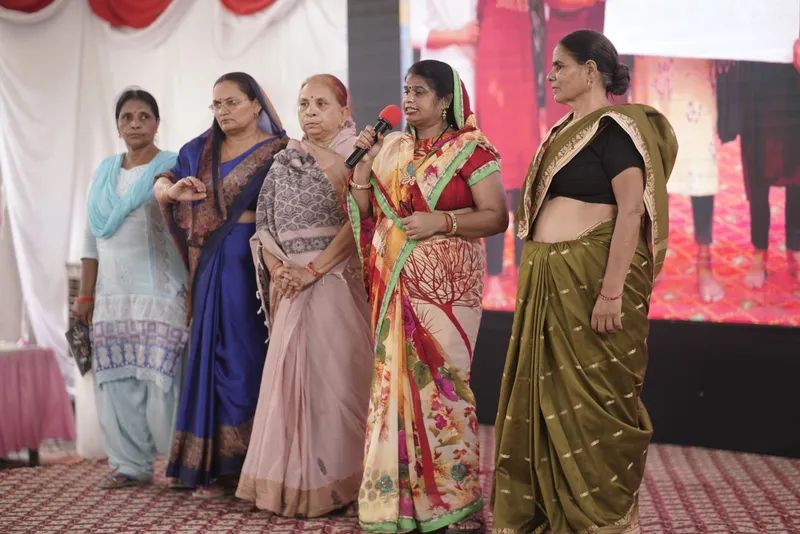
Kranti's women addressed four major issues—littering on the streets, installation of street lights, without which girls were never safe, intervening in cases of domestic violence and awareness and dignity building among women
They formed the Kranti Group—a collective of women who not only support one another but also take action within their community. “We addressed four major issues—littering on the streets, installation of street lights, without which our girls were never safe, intervening in cases of domestic violence and awareness and dignity building among our women,” says Parveen, a member of the Kranti group.
Krutika Kapil of Breakthrough says the group is now 75 members strong. When they see incidents of violence, they do not wait for help; they jump right in and take action, she says.
A generational shift against gender-based violence
Breakthrough India’s Deep Transformation through Community Engagement programme was launched in Haryana in 2014 with a mission to work closely within local communities through the NGO’s community developers, sensitise and equip them with knowledge and awareness of the rights and entitlements of women and girls.
“By working with adolescents, we have been able to shift attitudes towards women and girls, enabling them to become active agents of change,” says Nayana Chowdhury, CEO of Breakthrough. “Central to this effort are the Team Change Leaders, who serve as role models and mentors for adolescents.
And finally, by working in low-income communities where women are most marginalised, the programme aims to create impact where it is needed most.
“The goal of our deep transformation work is to bring in a generational shift in the norms that perpetuate gender-based violence and discrimination by working with different stakeholders. By keeping the young people and the community at the centre of our work, we hope that the deep transformation work would be sustained by them through collective ownership and vision of making a violence-free world,” says Kumkum Kumar, Head of Programmes, Breakthrough.
Edited by Affirunisa Kankudti