



What Pride means to us: Queer voices on identity, community, and celebration
As Pride Month celebrations kick off across the world, queer people from diverse walks of life reflect on Pride as a space for remembrance, resistance, and reclaiming identity beyond the mainstream narrative.


As Pride Month unfolds in a flurry of celebration and slogans, four queer individuals—each shaped by their intersections of caste, gender, indigeneity, and class—reflect on what Pride truly means to them. From memories of erasure and rejection to radical self-acceptance and collective resistance, their perspectives highlight Pride as more than a moment of visibility, but as a space for remembrance, assertion, and building communities where people can live authentically.
Christy Nag, trans and adivasi justice worker
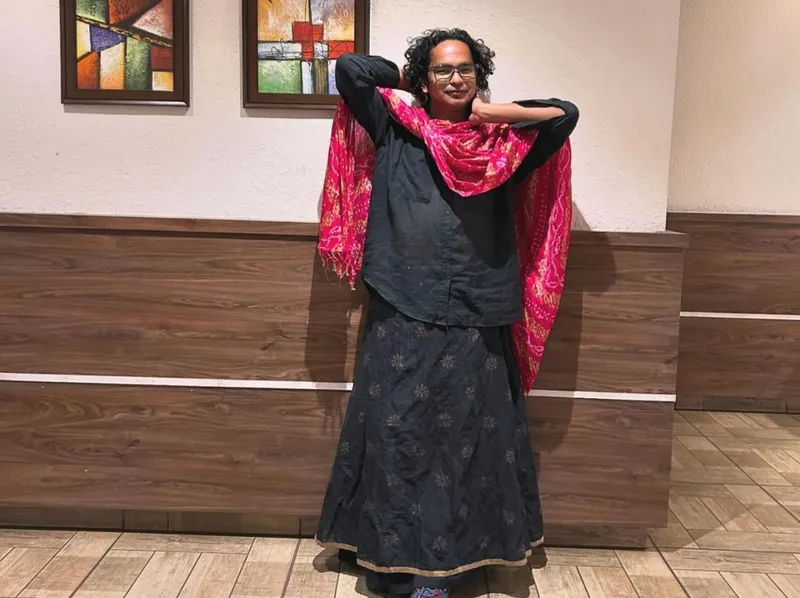
“Pride, for me, is about remembering—not forgetting our trans-queer ancestors who gave everything they had so we could have conversations like this today. It’s about honouring their work, and also realising how we now engage with that legacy—not just participate externally, but be part of the story we were born into. Our stories are interwoven, and we need to act in solidarity. I also want to see more storytelling that doesn't isolate our identities—the trans story is interwoven with caste, colonialism, and indigenous histories. Let’s move away from single-issue narratives. I want to see stories of power—not in the state’s definition, but in our own sense of assertion, collective resistance, and coming together.”
Shoi, trans, nonbinary artist and social work professional
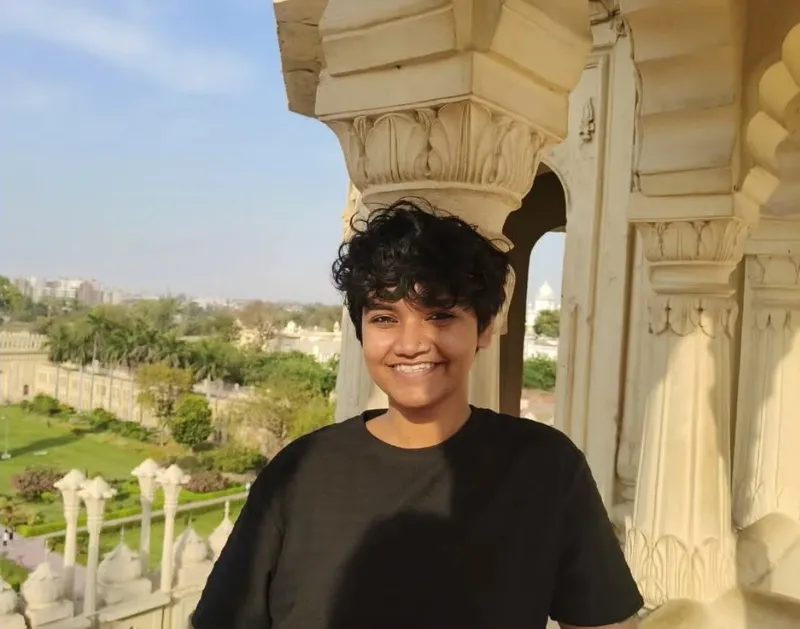
“For most of my life, I was hiding different parts of myself. Even after I came to terms with them, I had to fight the world, my family, and friends. It was hard to be proud of my gender identity. Pride, to me, is finally knowing I don’t need to fit into the ‘normative’, because it was never built for people like me. I don’t need to measure myself against someone else’s idea of normal. Pride is deeply political, but also warm—full of love, rage, community and solidarity. It’s a space I can call home. A place where I don’t have to explain or justify, where I can just be. When I find others who share these intersections — caste, queerness, gender — it feels like coming home after being lost. That sense of not being alone anymore? It’s powerful. And it’s what we all deserve.”
Abhishek Reddy, content head, identifies as gay
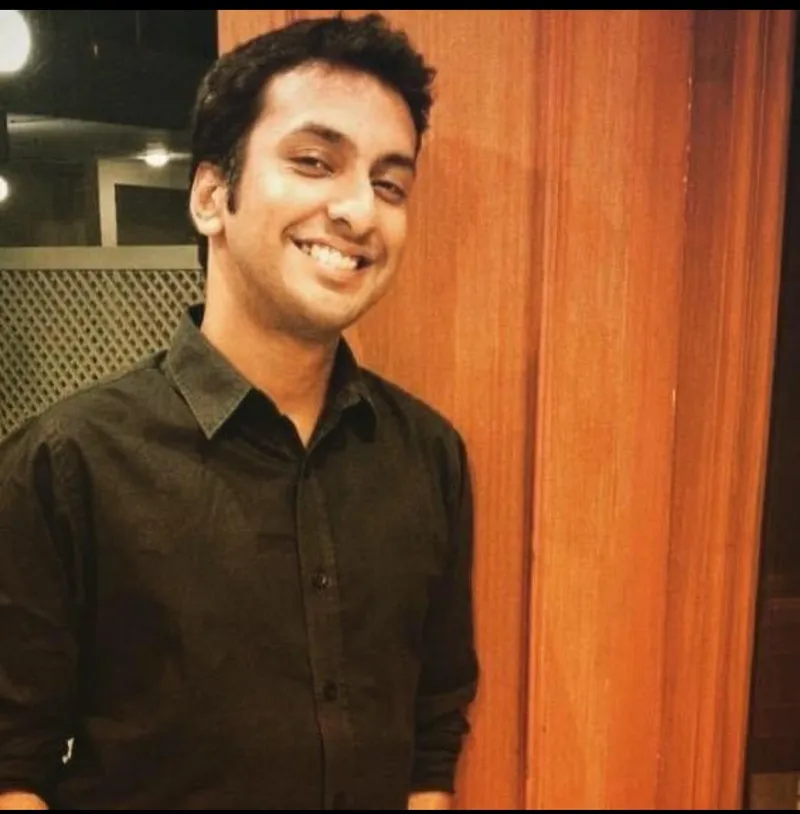
“Pride is more than just a parade and a walk in our true colours. It’s an amalgamation of our shared and lived experiences—regardless of where we fall in the social strata. Each person feels the same, but the outcomes vary, from positive to negative and everything in between. It’s a moment to reflect on our self-worth when in doubt, and a gateway into meaningful discourse for the next generation—to show how far we’ve come, and how much further we need to go for the world to truly acknowledge that we matter. My hope is for Pride to move beyond the ‘us versus them’ debate and instead ask: Who is truly hurting more? It’s also about quelling the fear of the unknown for those outside the spectrum to help them see: we bleed, love, and feel the same, just a little differently. There’s nothing wrong with that.
Sunil Mohan, 42, transmasculine person, activist and researcher
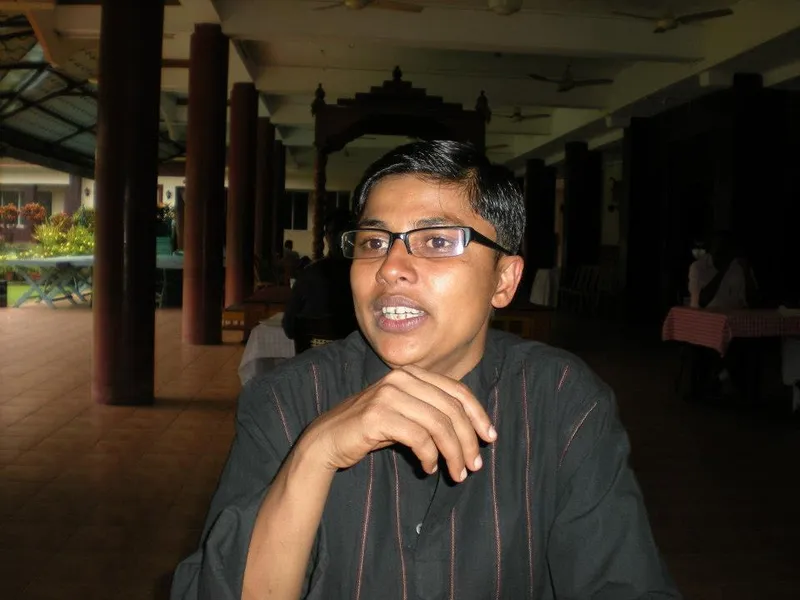
“Pride, for me, is a political platform—a space to assert that we exist, and that our existence is not wrong. We’re not asking anyone to become like us, only to accept us as we are. Once a year, we come together to reclaim what we've lost—community, friendships, recognition—and remind ourselves and others that we’re still here. It’s also a moment to remember those we’ve lost, and to feel a sense of togetherness again. Earlier, Pride was about making our existence visible, claiming our rights publicly. Today, it still carries that role—it’s a reminder to those who ignore us that we’re not going anywhere. We’ve won some legal battles, and there is some public acceptance, but we must keep saying: we are still here, whether or not you choose to see us.”
Edited by Jyoti Narayan