



Beyond dysphoria: How queer bodies become sites of power
Through trauma, transition, and personal expression, people across the gender spectrum reveal what it truly means to find safety and freedom in one's skin.

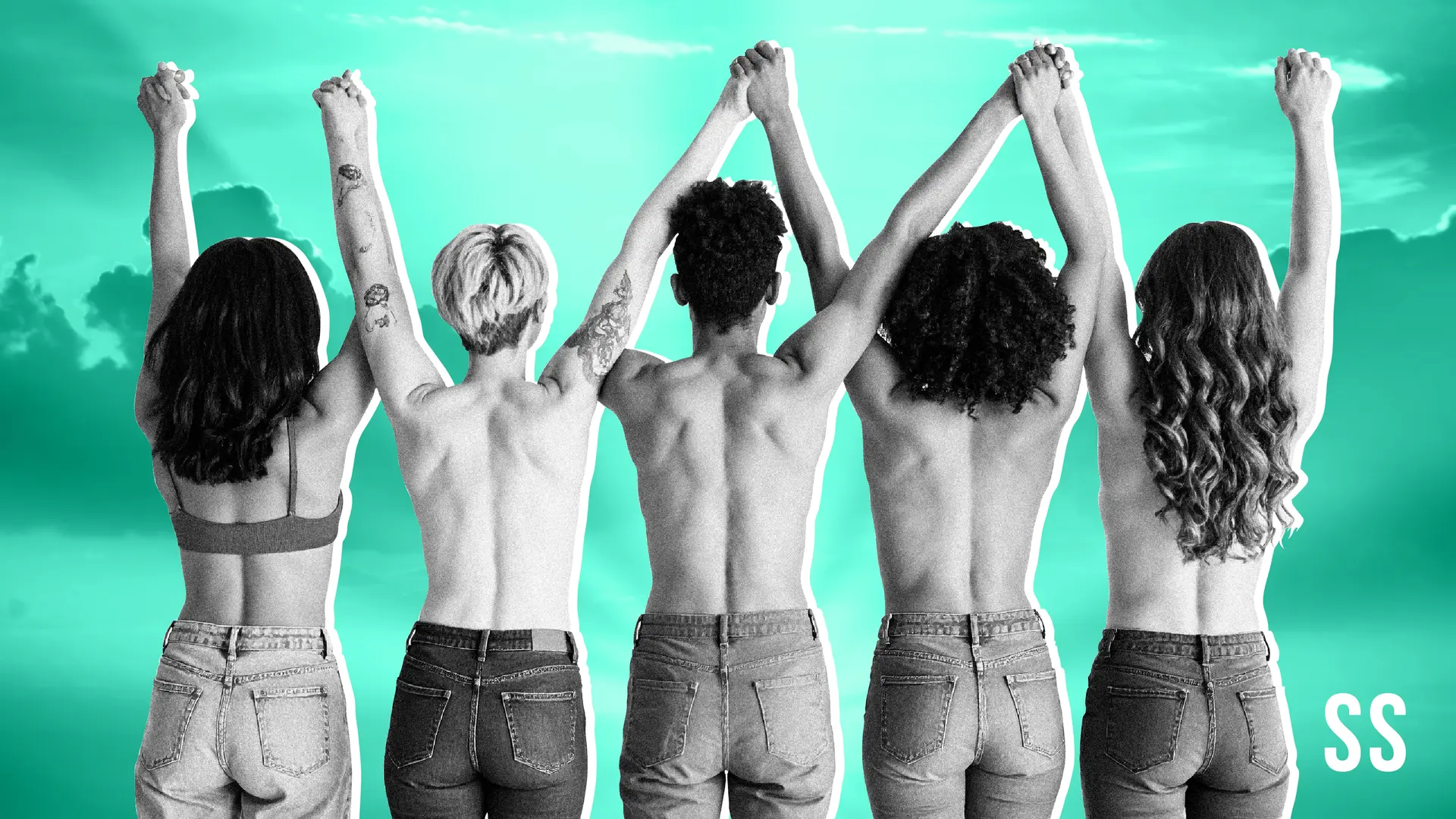

For many queer individuals, the body holds memories of violence—both overt and subtle. It isn’t just gender dysphoria they battle, but also the slow erosion of self that comes from bullying, childhood trauma, stigma, and being made to feel different long before they had the words for it. As puberty hits, bodies change, often deepening the disconnect. And yet, through community, therapy, literature, gender-affirming care, and personal rituals—queer people across the spectrum are reclaiming their bodies as sites of agency and pride.
In these voices, we hear of healing as nonlinear, messy, and powerful; and of bodies once burdened with shame now becoming canvases of pride, resilience, and radical self-definition.
Dee, Queer
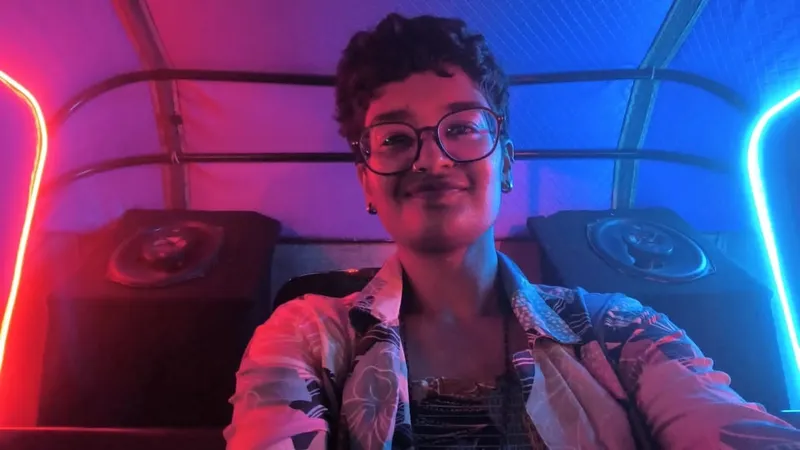
For years, I repressed my body’s truths. I was taught to move “like a girl”, questioned for being strong, fast, physical. I didn’t have the language for dysphoria, but definitely the ache of not fitting in. I was comfortable with most pronouns, but recently found that ‘they/them’ sat well with me. When a friend addressed me like that, it felt beautiful, and made me realise this was important to me.
During COVID, I shaved my head, joined a queer WhatsApp group, learnt about binders, and began dressing as I pleased. That was the start of something. Freedom, for me, is not in performing—but in walking how I walk, speaking how I speak, not explaining my body to anyone. It’s looking in the mirror and seeing myself—not a checklist of gender expectations. It’s living without translation. We deserve to exist in joy, not just resistance. And for that, community, affordable and, safe healthcare, inclusive public spaces, such as gender-neutral restrooms, and a world where people from the community can exist authentically—means everything.
Sunil Mohan, Transmasculine
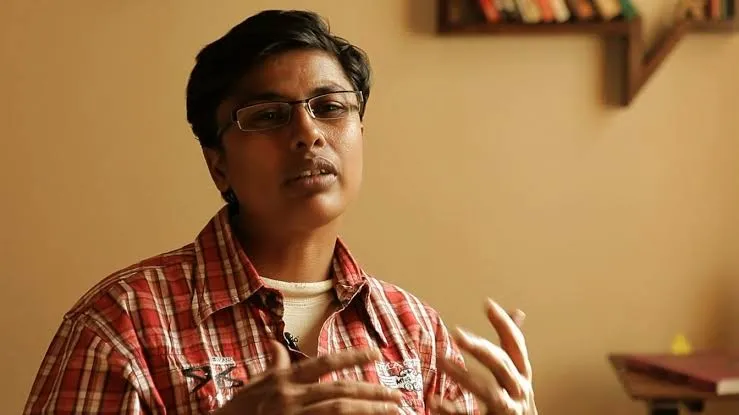
I experienced dysphoria as early as class six—before I even knew what it was. I didn’t have the language then, only a deep discomfort with how my body was changing. Cricket became my escape, letting me move freely, without being policed. Much later, in my 20s, I found words like 'genderqueer' and 'transmasculine', and a community that resonated.
After a stroke, the dysphoria worsened—I couldn’t bear how misaligned I felt. But a gender-reaffirming surgery changed that. I cried when I came to, not from pain, but from finally seeing myself. Today, I find freedom in something as simple as wearing a t-shirt without stares. It’s still evolving, but I finally feel like my body and mind are in sync.
Aanchal Naarang, Non-binary
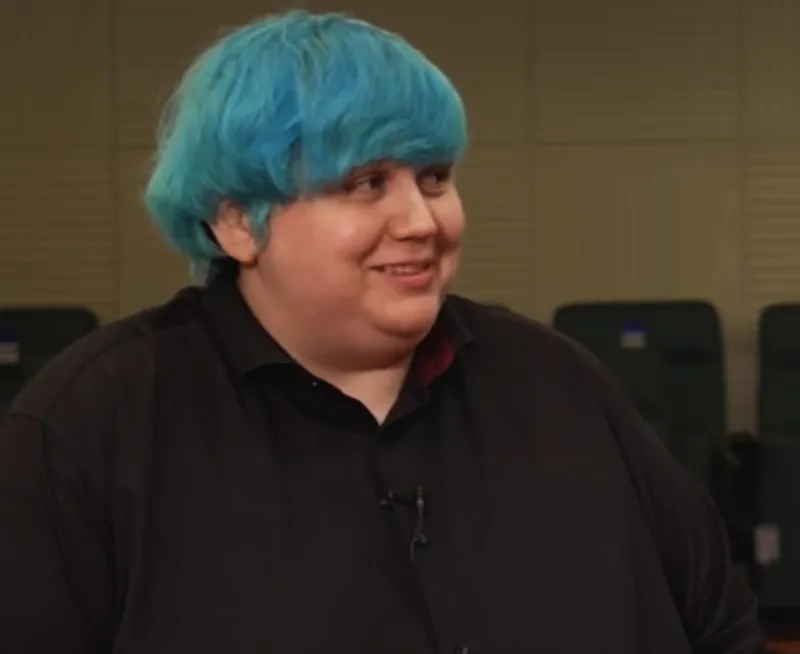
For a long time, I didn’t know my body carried trauma—it was just an underlying feeling of disconnection. I survived by figuring things out alone, but when I finally learnt about body and complex trauma in my mid-20s, things shifted. I realised I wasn’t broken, and that I wasn’t the only one. It didn’t make the journey easy, but it brought clarity and softness.
My gender fluidity isn’t about fitting into boxes—it’s about expanding them. My body isn’t wrong; it’s a site of memory, resilience, and constant becoming. Understanding that changed everything. Now, healing isn’t about “fixing” myself—it’s about listening, witnessing, and sometimes just resting in the truth that I’m enough as I am.
Siddharth Thanganatarajamani, Queer
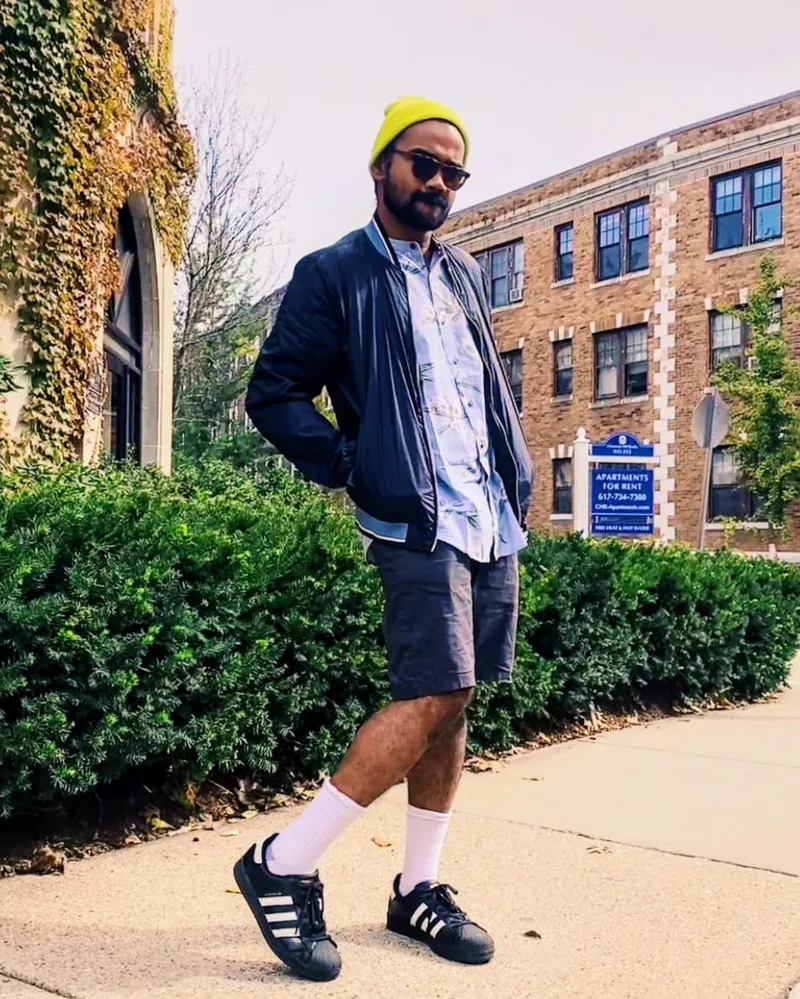
“I didn’t grow up thinking of fashion as self-expression—it was about fitting in, looking “good” for others. But when I began exploring gender and queerness more deeply, especially during a stint in the US, clothes became my language. Some days I feel more feminine, some days more masculine, but most days I feel somewhere in between—and fashion lets me hold all these identities.
For a long time, nothing felt right on my body. The textures, the cuts, the fall—they just didn’t sit right. I avoided mirrors. But drifting into the women’s section, finding softer fabrics, looser fits—suddenly, I found what worked. It wasn’t just style; it was safety. Now, I’m still discovering my aesthetic, but what I wear finally reflects how I feel—and that has changed everything.”
Edited by Jyoti Narayan