



Tokenism kills: Why suicide prevention in India is failing the vulnerable
This Suicide Prevention Awareness Month, psychologist and founder of Another Light Counselling, Aanchal Naarang, talks about why prevention efforts fail and what it really take to save lives, in a conversation with Saranya Chakrapani.

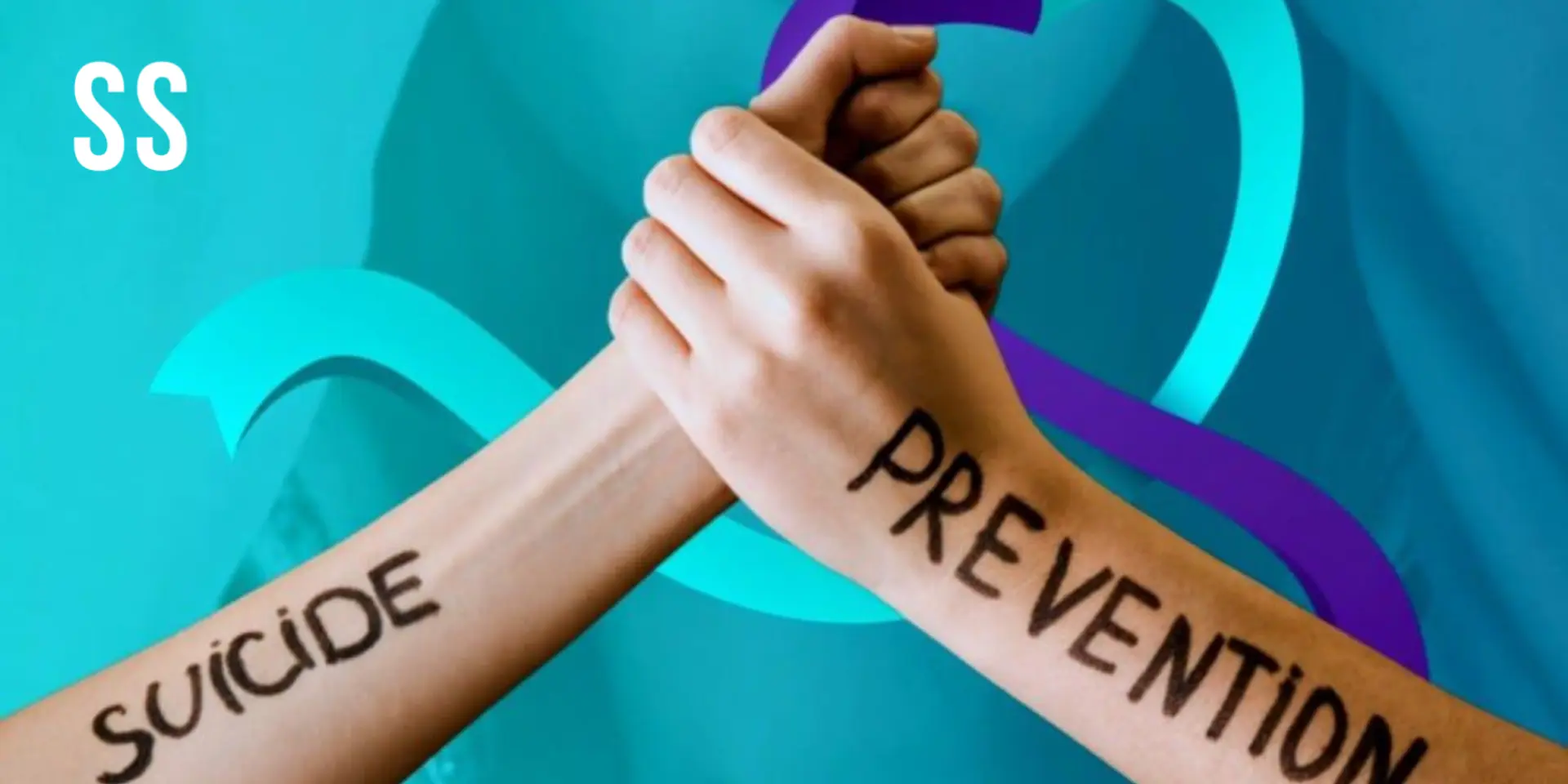

(Trigger Warning: This column discusses suicide, suicidality, trauma, and systemic neglect. )
I keep thinking about how much tokenism exists in suicide prevention in India today. Everywhere you look, there are helplines, online resources, campaigns—but they feel hollow. Superficial. Band-aids over systemic, intergenerational, and often invisible wounds.
And yet, I also know the truth: it’s incredibly difficult to build a mechanism that truly supports everyone. But does that excuse the negligence? No.
Suicidality is rarely about a single event, an exam, a failed relationship, or a moment of despair. Most often, it is the outcome of unresolved trauma—pain that accumulates over years, even generations.
Children who grow up in environments of neglect, abuse, or chronic stress internalise survival strategies that look like co-dependency, perfectionism, or hyper-vigilance. When their distress escalates, it is often misread, dismissed, or pathologised without nuance.
The mental health system in India is failing these individuals. Trauma-informed care is virtually non-existent in most Indian institutions. While in college, I have personally seen trauma as a subject being allotted a two-hour lecture across an entire course. Two hours! That isn’t training; that’s a sentence.
What happens as a result is that graduates emerge well-versed in diagnoses—depression, anxiety, bipolar disorder, BPD, substance use—but without the tools to recognise the underlying trauma and their early and current life contexts that often drive these conditions.
Even psychiatrists—guided by texts such as the DSM (Diagnostic and Statistical Manual of Mental Disorders)—are taught symptoms in isolation, rarely the relational, environmental, or intergenerational contexts that shape mental health.
How can a therapist see what they were never taught to see?
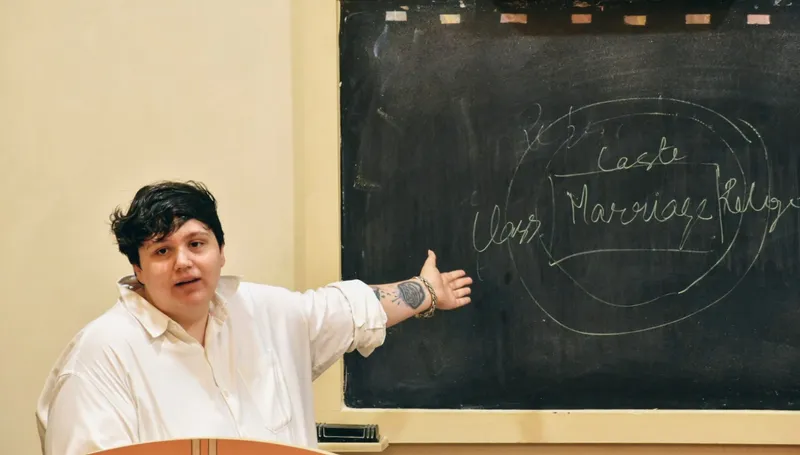
Aanchal Naarang, psychologist and founder of Another Light Counselling
Epigenetics complicates the picture further. People talk about hereditary mental illness, but rarely acknowledge the role of their environments in activating or alleviating these vulnerabilities.
For instance, a child may carry a gene for alcoholism or anxiety, but whether it manifests depends on upbringing, exposure, and modelling. Generational trauma, parental coping mechanisms, poverty, and social marginalisation all interact with biology, producing vulnerabilities that are both inherited and evolved through experience.
Certain populations are particularly vulnerable. Queer individuals face an eight-fold higher risk of suicide. Beyond discrimination, there is chronic stress, internalised stigma, and a lack of visible life narratives.
You see, most queer youth cannot imagine a life beyond 25, because social recognition and adult status are tied to marriage in India. Community spaces exist, especially in cities like Mumbai or Delhi, but they often prioritise socialising or fundraising over emotional intimacy. They are backed by huge corporate funding. The ‘community’ is a garb for what this actually is—a business.
Trauma, left unacknowledged, circulates within the very spaces meant to provide support.
Women, too, navigate specific pressures. They experience social and financial constraints, family expectations, and often limited autonomy. Globally, men tend to use more lethal methods in suicide, whereas women attempt suicide more often.
This is not a measure of resilience or strength—it is the imprint of systemic limitations, caregiving responsibilities, and constrained choices. We must read between these lines to see the truth of their lives: women frequently lack the resources to intervene meaningfully in their own lives, while carrying the weight of others.
Even severe mental health conditions are poorly addressed. Medication is often treated as the solution, rather than a supplement. Therapies that could provide genuine relief—somatic work, EMDR, trauma-informed counselling—are expensive, rare, and inaccessible for most.
In India, trauma therapy under Rs 2,000 is virtually unheard of. Just how many people can afford this?
Therapists themselves struggle, having been trained in systems that prioritise diagnosis over understanding. Trauma-informed therapy can be painful, but it is essential. But before we even get there, accessibility is the first and biggest hurdle.
Poverty and systemic inequities compound these issues. Unmet basic needs, unsafe housing, food insecurity, caste discrimination—these all become bodily inscriptions of trauma. Chronic stress, anxiety, somatic illness, and heightened vulnerability to abuse are predictable outcomes.
When survival dominates daily existence, suicidal ideation is not random; it is the body and mind signalling perpetual threat and looking for absolute relief from it—even if it means ending your own life.
So what can be done? I believe creating trauma-informed, accessible spaces is vital. Privileged individuals and trained professionals can make a difference by offering emotional safety, not just crisis intervention.
Supporting therapy, providing somatic interventions, and fostering genuine community resilience can help people reclaim some agency, even when systemic change lags.
Suicide prevention cannot be superficial. It must move beyond tokenism, campaigns, and helplines. It requires recognising trauma in all its forms—inter-generational, systemic, and individual—and addressing it with nuance, compassion, and accessibility.
Any such initiative must ask itself: am I saving lives or just appearing to? Until trauma is truly addressed, we are failing the people who need us most.
- As told to Saranya Chakrapani
If you are experiencing thoughts of suicide or emotional distress, please seek help immediately. If you are experiencing thoughts of suicide or emotional distress, please seek help immediately. In India, you can reach out to:
- iCALL (TISS): +91 9152987821 (available Monday–Saturday, 10 am–8 pm)
- Vandrevala Foundation Helpline: 1860 266 2345 / 1800 233 3330 (24x7)
- Snehi Helpline: +91 9582208181 (10 am–10 pm)
- AASRA Helpline: +91 98204 66726 / +91 98205 17414 (24x7)
- Sangath – It’s Ok to Talk: Visit itsoktotalk.in for online support
If you are outside India, please look up local suicide prevention helplines in your region.
Edited by Suman Singh