


Architects of change: Meet the people making Indian cities more liveable
From traffic volunteers and poets to disability advocates, small acts of care are quietly reshaping how we move, connect, and belong across Indian cities.


In cities battling chaos and confusion, it’s often the civilian volunteers who change things for the better. Across India’s metros, ordinary citizens—artists, activists, volunteers and advocates—are reshaping public spaces and challenging how cities think about movement, safety, and belonging.
From a tailor who’s managed Mumbai traffic for three decades to a poet reclaiming Delhi’s walls through public art, these are the unsung changemakers who prove that transformation doesn’t always come from policy or power. Sometimes, it begins at a crossing, with a Facebook post, or across a ramp to the shoreline.
Ranjit Gadgil, Pune
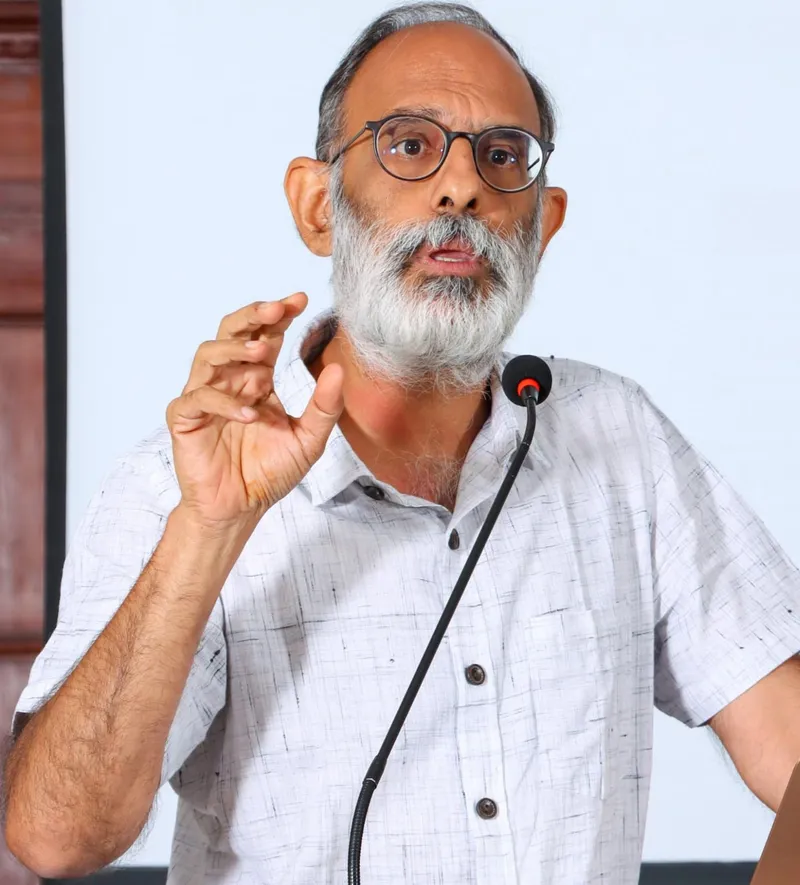
Ranjit Gadgil has been instrumental in pushing Pune to adopt pedestrian-first street-design guidelines and a comprehensive city bicycle plan.
For over a decade, Ranjit Gadgil has steered Pune’s shift from car-centred roads to people-friendly streets. An alumnus of IIT Kanpur and Cornell, he joined Parisar, a non-profit advocating for sustainable, equitable, and people-centric urban transport in 2005. Since then, he has led Parisar’s work on sustainable urban mobility, road safety, and clean air, and has been instrumental in pushing Pune to adopt pedestrian-first street-design guidelines and a comprehensive city bicycle plan.
Gadgil regularly contributes to policy debates, representing Pune at forums on infrastructure, planning and design. His major achievement includes helping design a revolutionary city-level ‘Comprehensive Bicycle Master Plan’ (approved in Pune in 2017) and the adoption of Urban Street Design Guidelines that prioritise walking and cycling.
In recent years, he’s been in the news for pointing out how the city’s ambition to build 800 km of cycling tracks has stayed largely on paper, and for critiquing ‘signal-free’ road reforms that favour vehicles over pedestrians.
Ankur Betageri (Bengaluru/Delhi)
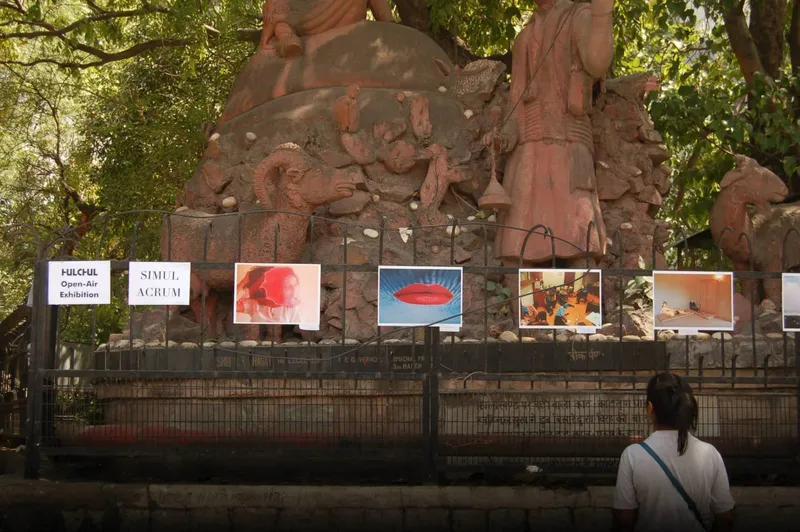
Ankur Betageri's Hulchul is known for art features in everyday urban spaces.
Ankur Betageri is a poet, fiction writer, photographer and visual artist who founded the public-arts platform Hulchul in Delhi in 2012. Hulchul is known for art features in everyday urban spaces—from Delhi Metro Rail Corporation construction walls at Mandi House to public washrooms—with the aim of reclaiming infrastructure for the ‘gallery of the street’.
Betageri holds a PhD and works as an academic at Bharati College, University of Delhi. He was listed among India’s ten best young writers in 2012 by The Indian Express.
Through Hulchul, Betageri translates urban spaces—including walls, corners, and washrooms—into sites of art and activism against neglected, dirty or gender-unsafe public spaces. His mission is to take art beyond elite galleries and make it a shared experience in city spaces.
Virendra Vadwana, Mumbai
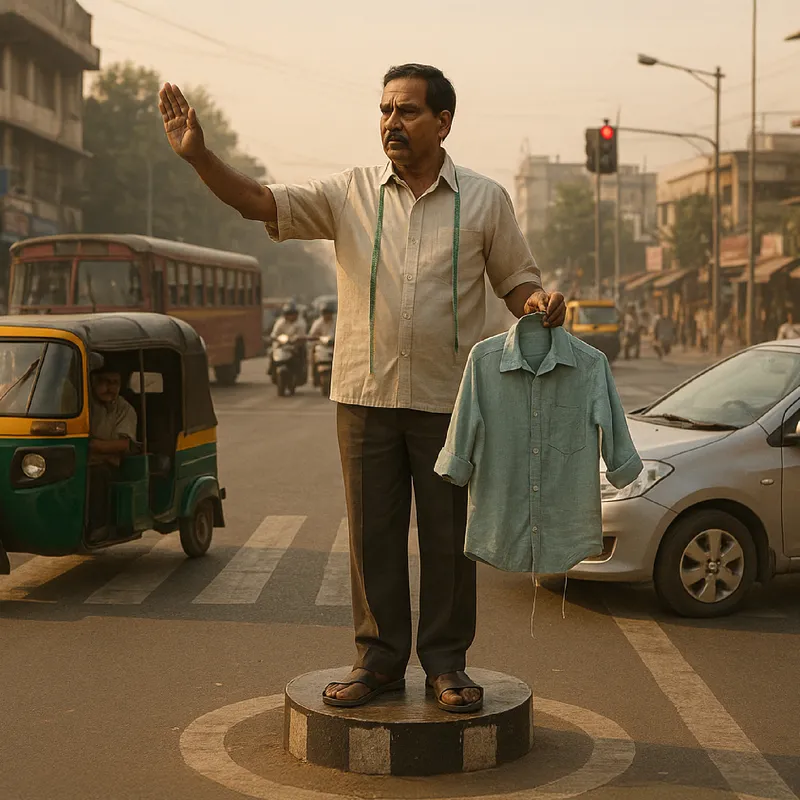
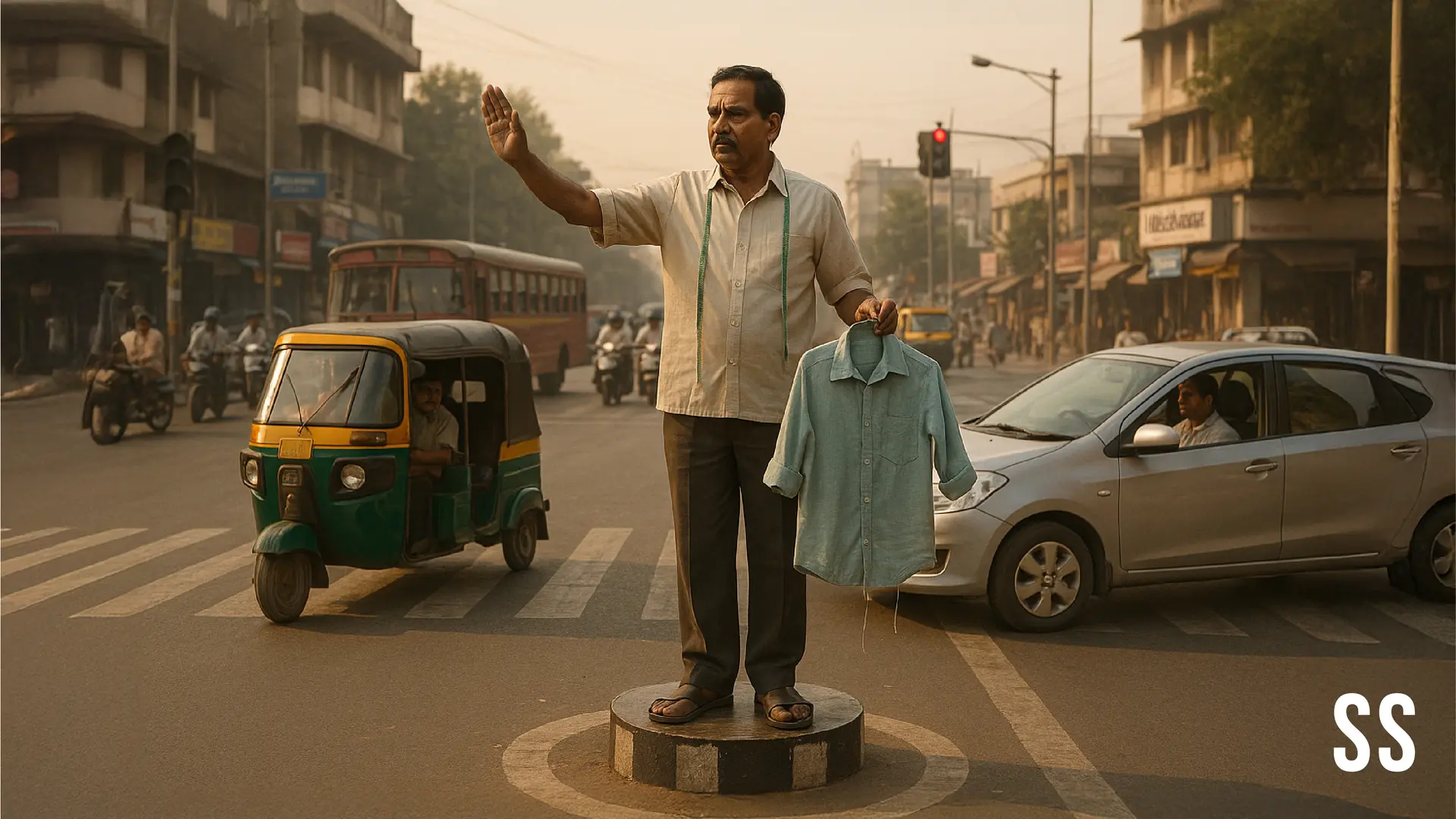
In a city grappling with choking traffic, Virendra Vadwana stands every day directing lanes and guiding pedestrians and motorists alike.
A tailor by profession in Ghatkopar, Mumbai, Virendra Vadwana has been managing traffic at a busy intersection in the area for over three decades—without pay, un-uniformed, and driven solely by his own sense of civic duty.
In a city grappling with choking traffic, he stands every day directing lanes and guiding pedestrians and motorists alike. He has been formally recognised by the local traffic police with an official badge.
His commitment, however, isn’t rooted in officialdom, but lives in everyday moments like helping a child cross the road safely, guiding a rickshaw to avoid collision, and giving pedestrians a safe pathway.
At a single busy crossing, his persistence has shown that what keeps a city running isn’t just systems but citizens who care.
Rimjhim Sinha, Kolkata
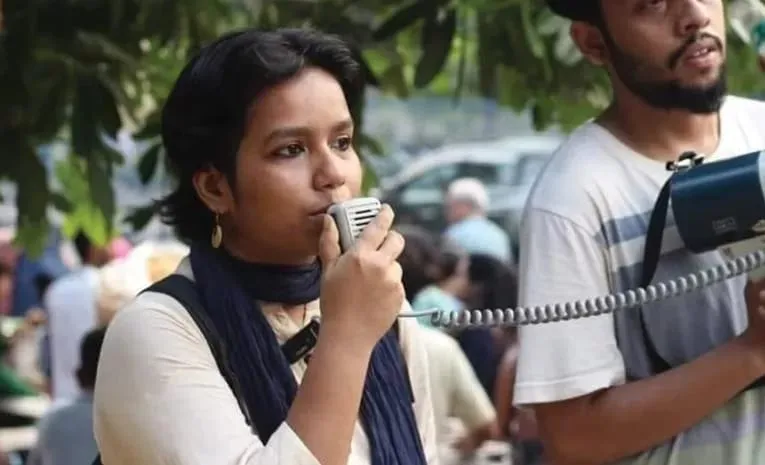
Rimjhim Sinha has emphasised the need for safe night‐transport and gender-sensitive infrastructure, and inclusion of marginalised gender communities in public spaces.
A sociology post-graduate from Presidency University, Kolkata, Rimjhim Sinha started a city-wide ‘Reclaim the Night’ vigil in August 2024 after the rape and murder of a junior doctor at RG Kar Medical College & Hospital.
Her spontaneous Facebook post calling for women to “spend the night outdoors” on the eve of India’s Independence Day went viral, and tens of thousands joined marches across Kolkata and other cities.
Beyond the protests, Sinha has emphasised the need for safe night‐transport and gender-sensitive infrastructure, and inclusion of marginalised gender communities in public spaces.
Through her civic activism, she demonstrates that the city is a stage for reclaiming agency, no matter the time of the day.
Vaishnavi Jayakumar, Chennai
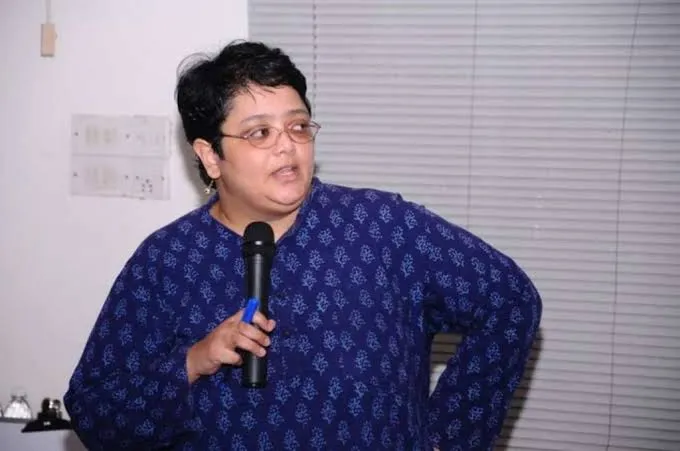
Vaishnavi Jayakumar worked closely with the Greater Chennai Corporation to help build a ramp for people with disabilities at Marina Beach.
Vaishnavi Jayakumar is a veteran disability-rights activist and the co-founder of Chennai-based NGO The Banyan. She now works through the cross-disability advocacy platform Disability Rights Alliance to push for accessible infrastructure across urban Chennai.
In 2021, she filed a landmark petition in the Madras High Court demanding that all public buses procured by the state meet universal-access standards (low-floor, ramped entry) under the Rights of Persons with Disabilities Act, 2016.
Beyond courts, she’s active in everyday urban campaigns as well—most visibly through the Marina Beach accessibility ramp, Chennai’s first permanent pathway that allows wheelchair users to reach the shoreline.
Jayakumar and the Disability Rights Alliance have worked closely with the Greater Chennai Corporation to design and monitor the ramp. She continues to advocate for its regular maintenance, along with pushing for inclusive design in public-transport upgrades.
By turning infrastructure into rights, Jayakumar has shown how accessibility is not optional but is the foundation of civic life.
Bicycle Mayors of India
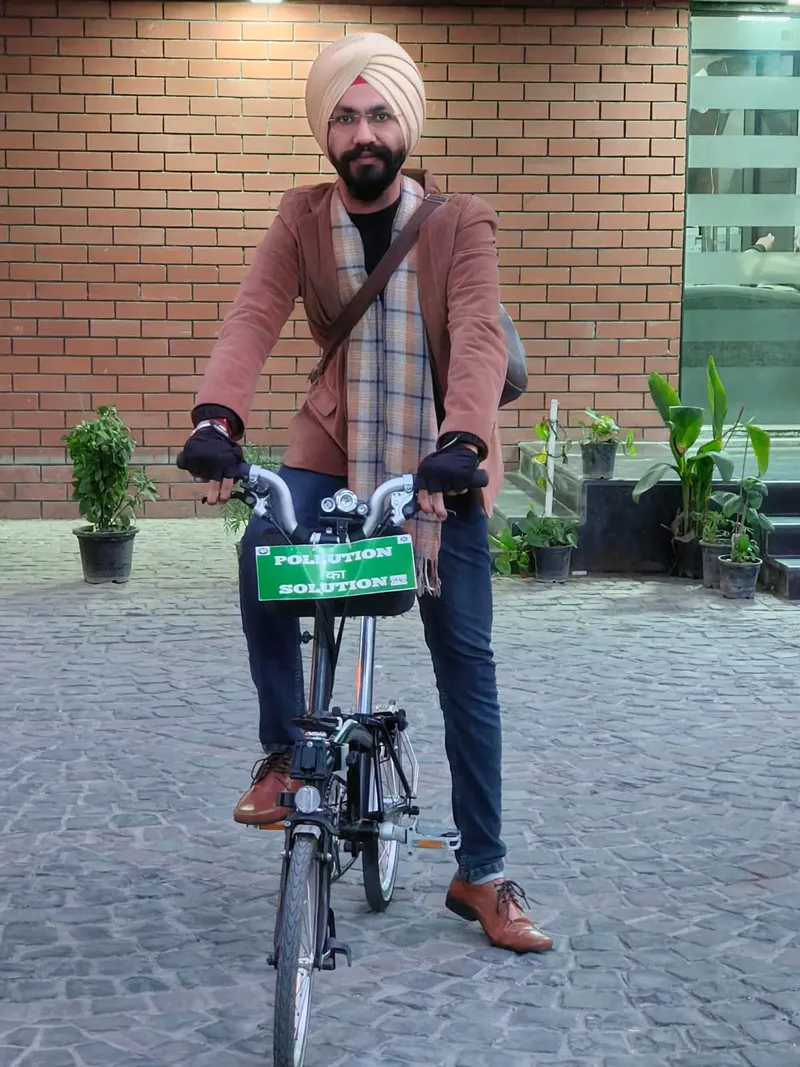
Delhi’s Dalip Singh Sabharwal worked with schools to normalise cycling commutes.
The global Bicycle Mayor programme was launched in Amsterdam in 2016 by BYCS (a stylised form of the word ‘bikes’), an Amsterdam-based global NGO supporting community-led urban change through cycling.
The initiative reached India in 2019 with the simple idea that cities move better when people do. It appoints citizen-ambassadors to champion cycling for everyday mobility.
Across over 20 Indian cities, the mayors have turned advocacy into action. For instance, Hyderabad’s Santhana Selvan built the Cycle2Work movement and pushed for bike lanes on IT corridors; Pune’s Nikesh Chandran co-created community rides that now feed into municipal transport plans; and Delhi’s Dalip Singh Sabharwal worked with schools to normalise cycling commutes.
Together, they have lobbied for safer crossings, cycle-friendly road design, and last-mile connectivity. What began as volunteer activism is now reshaping how Indian cities think about congestion, commuting and environment.
Edited by Swetha Kannan