



Four decades of Dastkari Haat Samiti: How this NGO reshaped artisan visibility
As the Dastkari Haat Crafts Bazaar returns to multiple Indian cities this month, it also marks 40 years of Dastkari Haat Samiti, a non-profit that has shaped how handicrafts are seen, sold and valued in urban India.


After nearly a decade, the Dastkari Haat Crafts Bazaar returns to different cities across India this month. It marks not just a homecoming, but 40 years of Dastkari Haat Samiti itself–one of India’s most enduring platforms and a non-profit known for its commitment to handmade traditions, artisan livelihoods, and direct engagement between makers and the public.
Founded in the mid-1980s, Dastkari Haat emerged at a time when crafts were largely absent from urban public life. A few museums, state emporia, or export circuits were the only places that made them visible.
The Dastkari Haat bazaars changed that relationship by bringing artisans directly into cities, allowing them to present their work, explain their processes, and sell without intermediaries. Over four decades, the model has been running on the same principle: genuine artisans, direct interaction, and a strong emphasis on quality and authenticity.
Reflecting on this journey, founder of the NGO, Jaya Jaitly, says there has been a visible shift in confidence among artisans over the years. “They have found a voice, because they have received design inputs over the years from different institutions, designers, and customers who they meet directly. These inputs enhance their understanding of what the world wants and what they can market with their particular skills,” says Jaitly.
This confidence has translated into greater mobility and ambition among the artisans. “Many of them now go abroad or are sent abroad by governments, and they’re able to project themselves with confidence and skill,” she adds.
The exposure has also encouraged them to experiment, with artisans learning how to adapt designs while retaining traditional techniques.
At the same time, Jaitly acknowledges that the diversity of practices, skill levels, and aspirations within craft communities steer many of these changes. Some craftspeople continue to produce only for their own communities or regional markets, while others actively seek urban or international exposure. There are also families where younger generations decide not to continue a particular craft, opting instead for other forms of work that promise steadier income or less physically demanding labour.
Jaitly says this is a choice that must be respected. “It’s a normal part of movements in society,” she says, drawing a parallel with other professions where children do not automatically follow their parents’ paths. For her, sustainability in crafts does not mean freezing communities in time, but creating conditions where those who want to practise and innovate within their traditions can do so with dignity, visibility, and fair returns.
One of Dastkari Haat’s defining interventions has been cutting out middlemen–long before e-commerce platforms and social media marketplaces entered the picture.
“The first major exercise in cutting out middlemen was the creation of Dilli Haat and before that, small bazaars,” she says. By organising spaces where artisans could sell directly and price their work fairly, the organisation challenged entrenched attitudes about the value of handicrafts and handlooms.
“The tendency is such that people will pay Rs 1,000 for something electric in a mall, but bargain for a handwoven scarf at Rs 600,” she says, adding that this is a societal issue rather than failings on part of the artisan community.
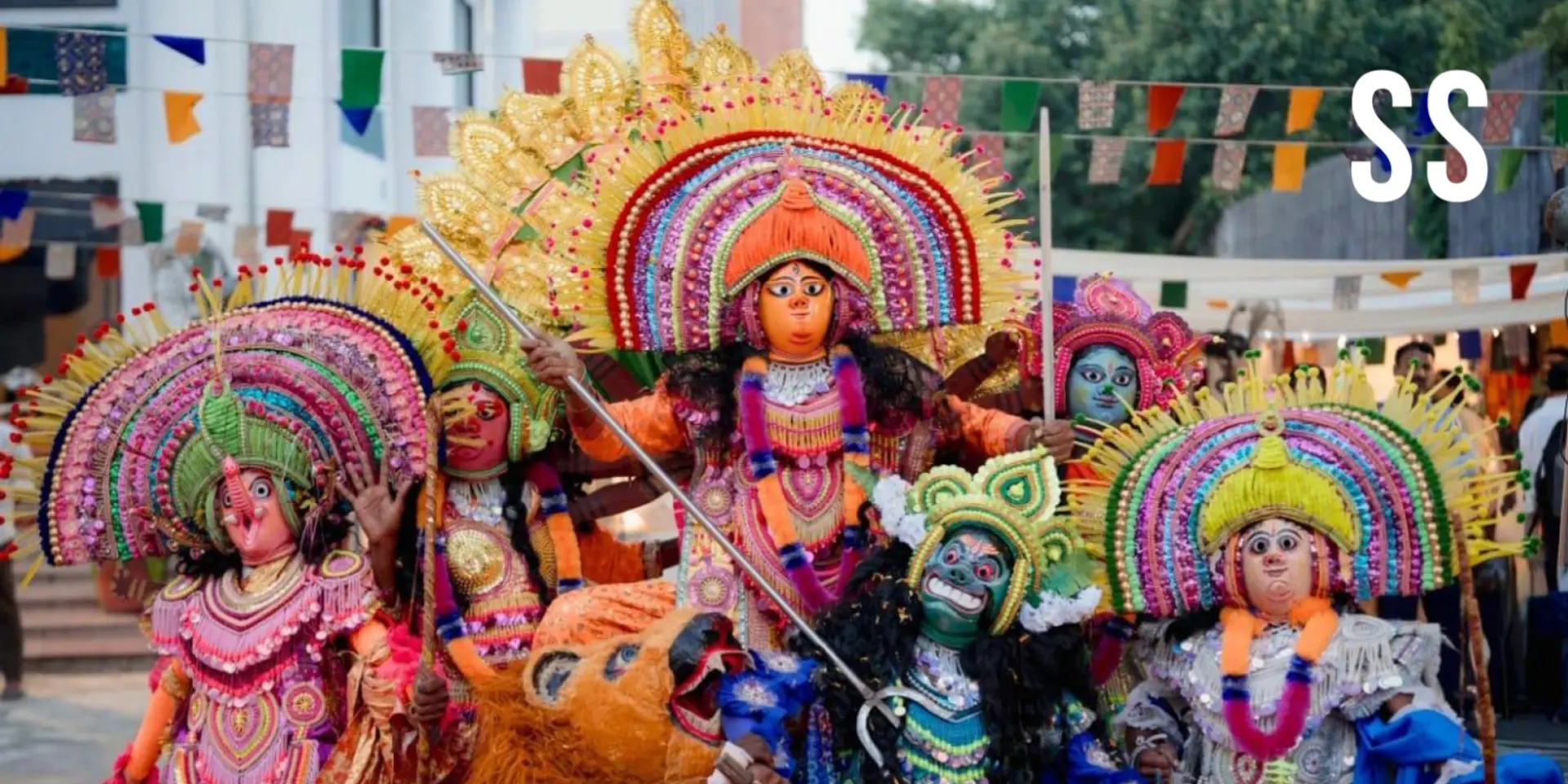
The Chennai edition, running from January 30 to February 5 at NIFT Chennai, will feature around 70 to 80 stalls, and brings together artisans from across India, presenting textiles, embroidery, paintings, metalwork, wood, bamboo, ceramics, jewellery, and rare craft practices. Performances like Chhau dance from West Bengal and regional cuisine will add to the immersive experience, while the venue itself, being a premier design institute, will reinforce the link between craft, contemporary design, and future generations.
For Dastkari Haat, the bazaar is also an educational space. “There’s an engagement between both the buyer and the maker,” says Jaitly. “It’s a kind of mutual education. Over time, artisans have learned to read urban customers, while buyers gain insight into materials, techniques, and labour.”
Edited by Affirunisa Kankudti