



This programme is taking the long road to safer motherhood in India’s villages
In many parts of rural India, pregnancy and childbirth are still shaped by tradition, misinformation, and limited access to timely healthcare. Smile Foundation’s Swabhiman programme works within these realities to support women’s health.


In November 2024, 21-year-old Nisha from Nat Ki Madhiya, a small settlement in Uttar Pradesh, gave birth to her fourth child, a baby girl. A day earlier, a team from Swabhiman—an initiative under the Delhi-based Smile Foundation’s women’s health and empowerment programme—had met her, advising vaccinations and routine check-ups. But in March 2025, the baby developed severe diarrhoea and lung complications before passing away.
This wasn’t unusual. It was just another life lost to the quagmire of delayed care, misinformation, and deeply rooted beliefs about pregnancy and childbirth that marked the culture of her village.
For Smile Foundation, this tragedy was another reminder of why its work with marginalised women was important.
Swabhiman, which means ‘self-respect or dignity’, has been Smile Foundation’s women empowerment programme since 2005. While the NGO began its journey in 2002 with education as its flagship focus, it soon realised that a child’s learning outcomes or even survival could not be separated from the mother’s health, agency, and decision-making.
“If the mother is not healthy, informed, and confident, the child’s future is automatically compromised,” says Sarita Pradhan, Head of the Swabhiman programme.
The programme was designed to address this gap by working in tandem with and strengthening access to government systems. It works closely with Anganwadi centres, ASHA workers, Auxiliary Nurse Midwives (ANMs), and Primary Health Centres, helping women understand what services already exist and how to use them.
The NGO uses a two-pronged approach: addressing reproductive, maternal, newborn, and child health (RMNCH) and women’s empowerment and economic independence.
But Pradhan believes Swabhiman is really about behavioural change.
The programme operates across eight to nine states, primarily in rural, migrant, and marginalised communities, where women often remain disconnected from formal healthcare systems despite government schemes being in place.
In districts like Bijnor (Uttar Pradesh) and Bhiwadi (Rajasthan), Smile Foundation teams initially faced resistance, as communities questioned why “outsiders” were telling them how to manage pregnancies, nutrition, or childbirth.
“We faced mistrust, hesitation, and sometimes outright refusal to show up. People didn’t want external interference in what they considered private, cultural matters,” says Pradhan.
But these regions were marked by very stark health challenges: very short gaps between pregnancies, pressure to keep having children until a boy was born, low haemoglobin levels among pregnant women, poor awareness of antenatal check-ups, home deliveries assisted by untrained midwives, unsafe practices like cutting umbilical cords with blades, delayed vaccination, and lack of exclusive breastfeeding.
Many women didn’t visit Anganwadi centres or Primary Health Centres because families believed pregnant women should stay indoors, avoid public exposure, and not disclose pregnancies in the first trimester due to superstitions around “bad luck” or miscarriage.
The slow process of changing minds
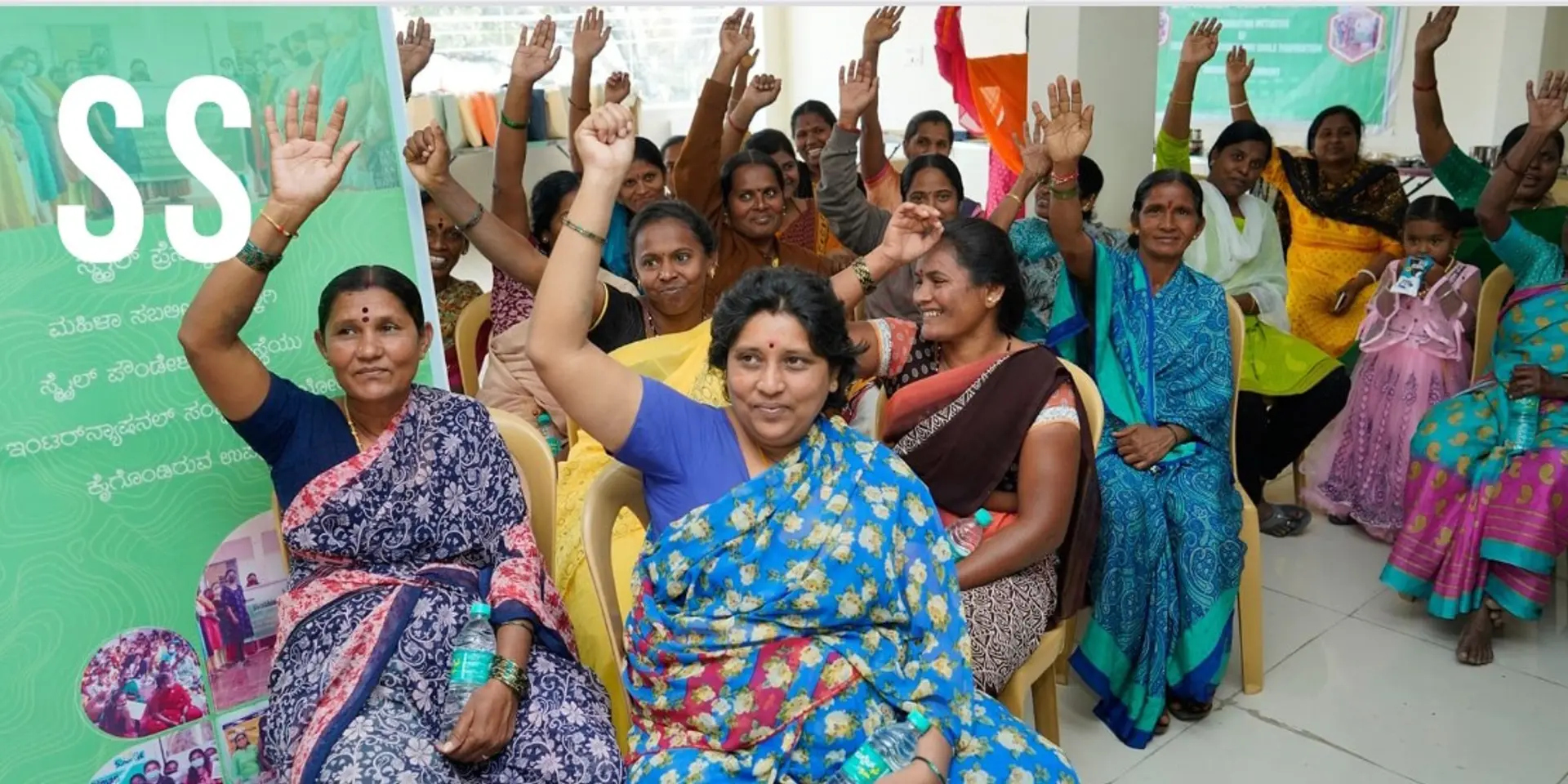
Rather than confronting communities, Swabhiman adopted a slow, culturally sensitive strategy. It organised door-to-door mobilisation, puppet shows and street plays, pictorial flipbooks for low-literacy communities, nutrition demonstrations, and community events like Godh Bharai (baby showers).
Pregnant women were encouraged to attend antenatal check-ups, take iron and folic acid supplements, and diversify their diets using locally available foods such as millets and green leafy vegetables.
Women were also educated about institutional deliveries, colostrum feeding, exclusive breastfeeding for six months, complementary feeding after six months, hygiene during childbirth, and vaccination schedules.
But one of the biggest challenges wasn’t women—it was men.
“Husbands and fathers-in-law often restricted women from attending meetings, seeking medical care, or even leaving the house during menstruation. They feared that exposure would make the women ‘too independent’ or neglect household chores,” says Pradhan.
Adding, “It took us almost 8 to 10 weeks in many communities to gain trust. And the most effective strategy was getting one man to change, and let him influence the others.”
In this way, male champions within villages became critical change agents. When men saw improved health outcomes in families that followed medical advice, community resistance slowly softened.
The story of Ruby, a 28-year-old homemaker from UP’s Banveepur, showed what such timely intervention could achieve. Ruby joined the Swabhiman programme in 2021. When she became pregnant in June 2024, her haemoglobin was dangerously low at 8.7 g/dL—classified as moderate anaemia. Through counselling, iron-rich diets, supplements, and regular monitoring, her levels improved to 9.9 g/dL by November that year.
On January 22, 2025, she delivered a healthy baby girl in a hospital, with haemoglobin levels reaching 10.5 g/dL. Her child received timely immunisation, and Ruby’s recovery was monitored through Swabhiman’s follow-ups.
“Our goal really is progress, not perfect outcomes,” says Pradhan.
Nat Ki Madhiya resident Nisha’s case, however, reflects the programme’s hardest reality.
Despite meeting the Swabhiman team and receiving advice, she delivered at home and reached medical care too late. Her baby’s death highlights how fragile progress can be in the face of misinformation, delayed response, and structural barriers.
Beyond health, dignity, and economic independence
As a programme, Swabhiman also supports women’s entrepreneurship, particularly through partnerships with the National Rural Livelihood Mission (NRLM).
Women are trained to start micro-enterprises, manage finances, and build livelihoods. However, Smile Foundation has learned that combining health and entrepreneurship in the same geography doesn’t always work.
“We realised that our focus mattered,” Pradhan explains. “So now, some regions receive health-focused programmes, while others receive entrepreneurship interventions, based on the needs we recognise there.” This allows for deeper impact, she says.
Measuring change when change is slow
Unlike school enrolment or vaccination numbers, behavioural change is difficult to quantify, says Pradhan.
Smile Foundation tracks pregnancy registrations, antenatal check-ups, government scheme (Janani Suraksha Yojana, PM Matru Vandana Yojana) uptake, haemoglobin improvement, and institutional deliveries.
In Punjab’s Sangrur district, a four-year nutrition programme showed an increase in diet diversity awareness from 10% to 18%. Pradhan calls this a meaningful shift.
Most Swabhiman projects are funded through CSR partnerships that last about a year. Pradhan believes that when it comes to measuring change on the ground in terms of health and nutrition, a minimum of three years is needed. “Behaviour changes take time, trust, and consistency.”
“We look forward to longer funding cycles, practical impact metrics, and recognition of slow behavioural shifts for our work with these communities,” she says. “Because real transformation happens when communities internalise change.”
Edited by Suman Singh