



From treatment to dignity: Community-led cancer care models across India
Ahead of World Cancer Day on February 4, we look at five community-led organisations addressing the realities of cancer, including long-term care, emotional support, survivorship, and access for those left out of formal systems.

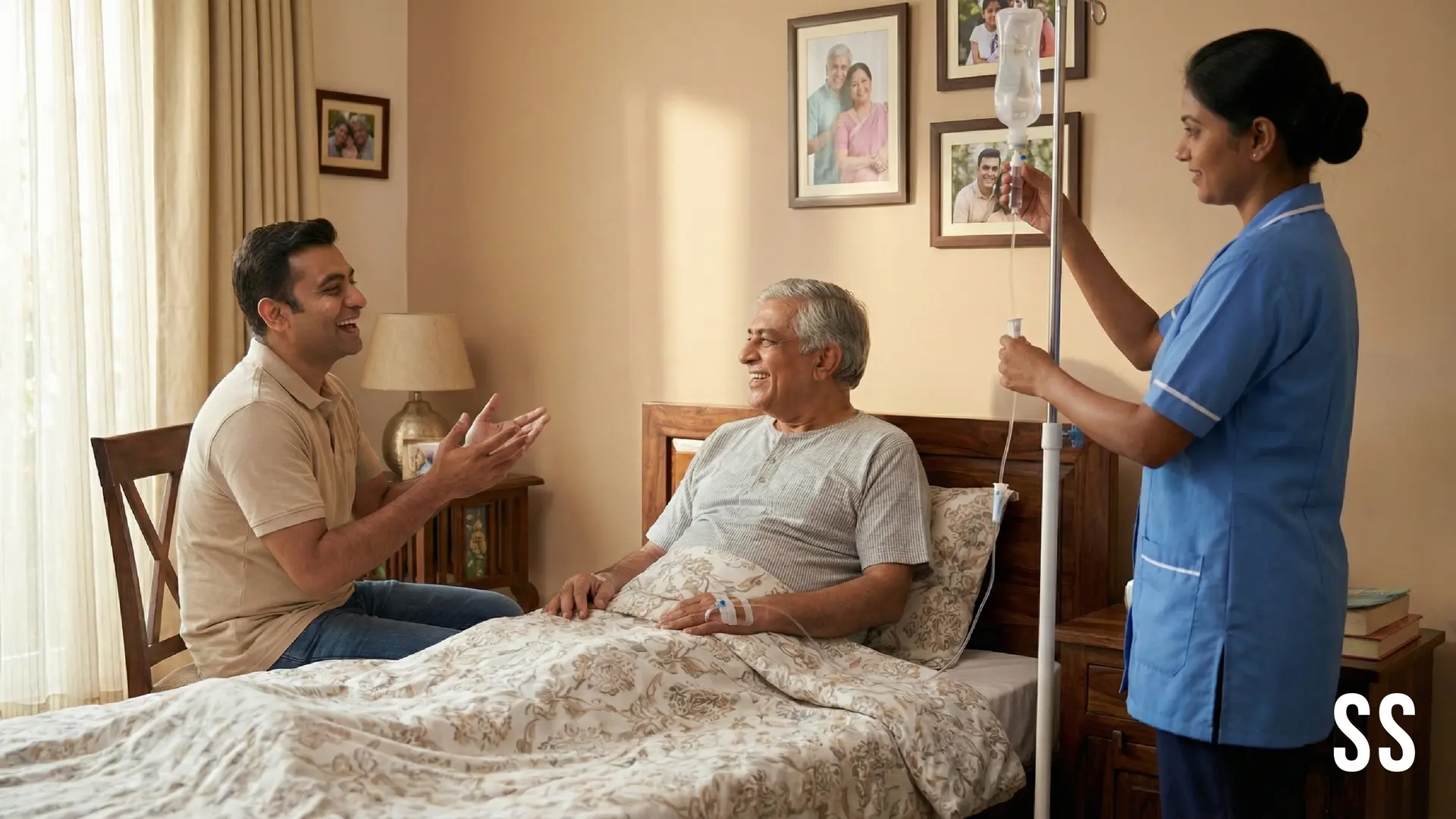

Conversations around cancer often focus on awareness, early detection, and advances in treatment. Yet, for millions of patients and families in India, the realities of cancer extend far beyond diagnosis, into experiences shaped by cost, access, emotional distress and long-term care needs.
In this landscape, community-led organisations have emerged as critical pillars of support, stepping in where formal health systems haven’t been able to.
From home-based palliative care and survivor networks to patient navigation and awareness campaigns, these initiatives centre around dignity, continuity of care, and lived experiences. Their work highlights how cancer care is not only a clinical challenge but also a social one.
Cancer Patients Aid Association, Mumbai
For thousands of cancer patients who cannot afford treatment, support does not end at diagnosis. It starts with survival, and that is the space the Cancer Patients Aid Association (CPAA) has worked in for more than five decades.
Founded in 1969 by Y. K. Sapru and based in Mumbai, CPAA began as an effort to raise funds for the treatment of a single child with cancer. Over time, it grew into an organisation focused on addressing cancer as both a medical and a socio-economic challenge.
CPAA’s work spans awareness and early detection programmes, patient guidance and counselling, rehabilitation support, and advocacy, with a focus on underprivileged patients.
CPAA says it has supported over 3 lakh cancer patients through its interventions. Its long-standing community-based approach has made it one of India’s recognised patient-support organisations working at the intersection of care, access and dignity.
CanSupport, New Delhi
CanSupport was founded in 1996 by Harmala Gupta in New Delhi after her own battle with cancer, on the belief that patients deserve support not just in hospitals but in their homes as well. It began by providing free home-based palliative care teams to patients, recognising that families often struggle to manage pain, symptoms, and emotional needs alone.
Over nearly three decades, CanSupport has grown to become one of India’s largest free palliative care providers, offering home visits, day care, and counselling for patients and caregivers.
In October 2025, CanSupport partnered with Optum India to launch mobile palliative care clinics in Delhi, expanding services to underserved patients and bringing medical, nursing, nutritional, and psychosocial support directly to communities.
Indian Cancer Society’s UGAM Survivor Network, Mumbai
The UGAM Survivor Network, run by the Indian Cancer Society, creates spaces where survivors can share experiences, find peer support, and navigate life after cancer.
The Indian Cancer Society (ICS), founded in 1951 and headquartered in Mumbai, is one of India’s oldest cancer care organisations. UGAM functions as its survivor-led support network, bringing together people living with cancer and beyond through support meetings, counselling sessions, awareness programmes, and public outreach.
The network focuses on emotional wellbeing, survivorship challenges, and stigma reduction, while also encouraging survivors to participate in advocacy and awareness efforts. Operating across multiple cities through ICS’s national footprint, UGAM has become a recognised platform for survivor voices, reinforcing the role of peer support in long-term cancer care and recovery.
Pallium India, Thiruvananthapuram
For patients living with advanced cancer, comfort, pain control, and dignity go hand-in-hand. Pallium India works to make such care accessible within communities, especially for those with limited access to institutional health systems.
Founded in 2003 by Dr M R Rajagopal and headquartered in Thiruvananthapuram, Kerala, Pallium India was established to promote palliative care as a public health priority in India. The organisation focuses on pain relief, psychosocial support, and end-of-life care, working through community volunteers, local health workers, and trained medical professionals.
Pallium India has played a key role in shaping India’s palliative care movement, including advocacy for policy change and capacity building across states. Its community-based model has been widely cited for demonstrating how compassionate care can be delivered outside hospital settings, particularly for patients with advanced cancer and chronic illness.
YouWeCan Foundation, New Delhi
Founded in 2012 by cricketer Yuvraj Singh and based in New Delhi, YouWeCan Foundation works towards awareness, prevention, and timely care. The foundation was set up following Singh’s own experience with cancer with a goal to promote cancer awareness, early detection, and patient support, particularly among underserved communities.
The organisation runs outreach campaigns focused on preventable cancers, supports screening and early diagnosis initiatives, and provides assistance to patients during treatment. Over the years, YouWeCan has used public engagement and community mobilisation to challenge stigma and encourage people to seek medical help at the first signs of illness.
Through its national campaigns and partnerships, the foundation has positioned itself as a visible patient-centric organisation working at the intersection of awareness, access, and survivorship.
Edited by Swetha Kannan