



Beyond spas and schedules: The rise of stealth wellness in India’s hospitality sector
From forest bungalows to mountain sanctuaries, India’s hotels are redefining the idea of wellness—by not packaging it as a service but weaving it subtly into their spaces and food, and letting guests discover it in moments of stillness.

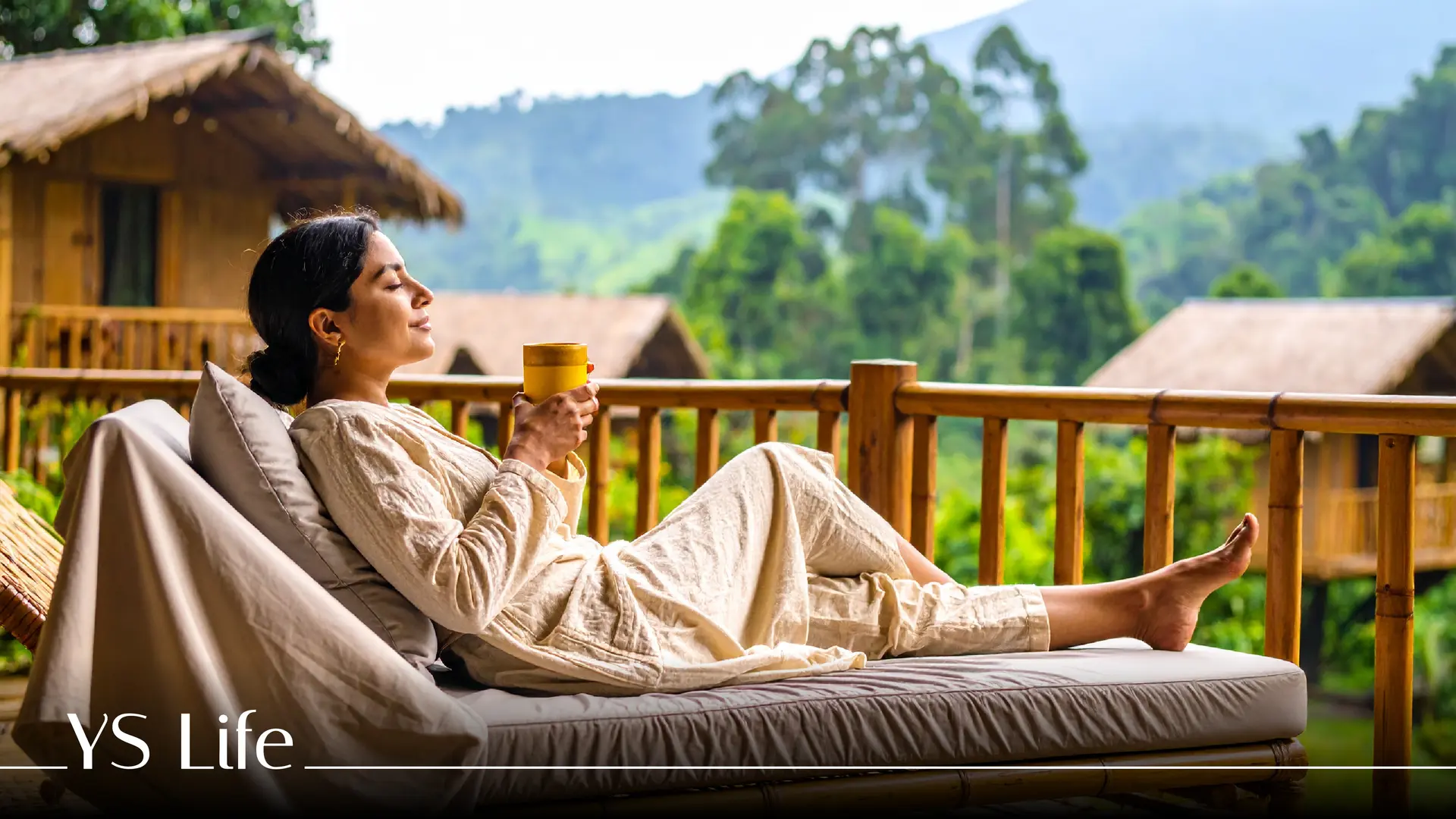

Amid wellness buzzwords, spa menus, and yoga itineraries, a quiet shift is emerging in India’s luxury hospitality. Welcome to the era of ‘stealth wellness’ where well-being isn’t sold as a service but woven into spaces, food, and the gentle rhythm of time.
This move from programmed to intuitive experiences reflects a deeper understanding of what travellers crave: not just relaxation, but reconnection with self, space, and slowness.
“I came expecting a spa break,” says Devika Iyer, a Mumbai-based media professional, who travelled to a wellness retreat in Coonoor. “But what stayed with me was waking up to birdsong, eating food grown 20 feet away, and forgetting the day. It felt like a reset I didn’t know I needed.”
This kind of ambient transformation is now the gold standard for India’s new wellness-focused hospitality brands.
Presence over programming
“Wellness isn’t something you push; it’s something you remove obstructions from,” says Sunith Reddy, CEO and Co-founder of Hyderabad-based landscape restoration and farming collective Beforest Lifestyle Solutions.
At their Blyton Bungalow property, tucked deep in the Coorg wilderness at Poomale, wellness is more about atmosphere than activity. “Being outdoors, simply observing and slowing down is a luxury in today’s world,” he explains.
Set within a 300-acre permaculture-based food forest, the bungalow encourages guests to slip into the land’s rhythm through guided mushroom walks, pond swims, and unhurried hours on a shaded porch. “It should feel like your nani’s (grandmother’s) home,” says Reddy.
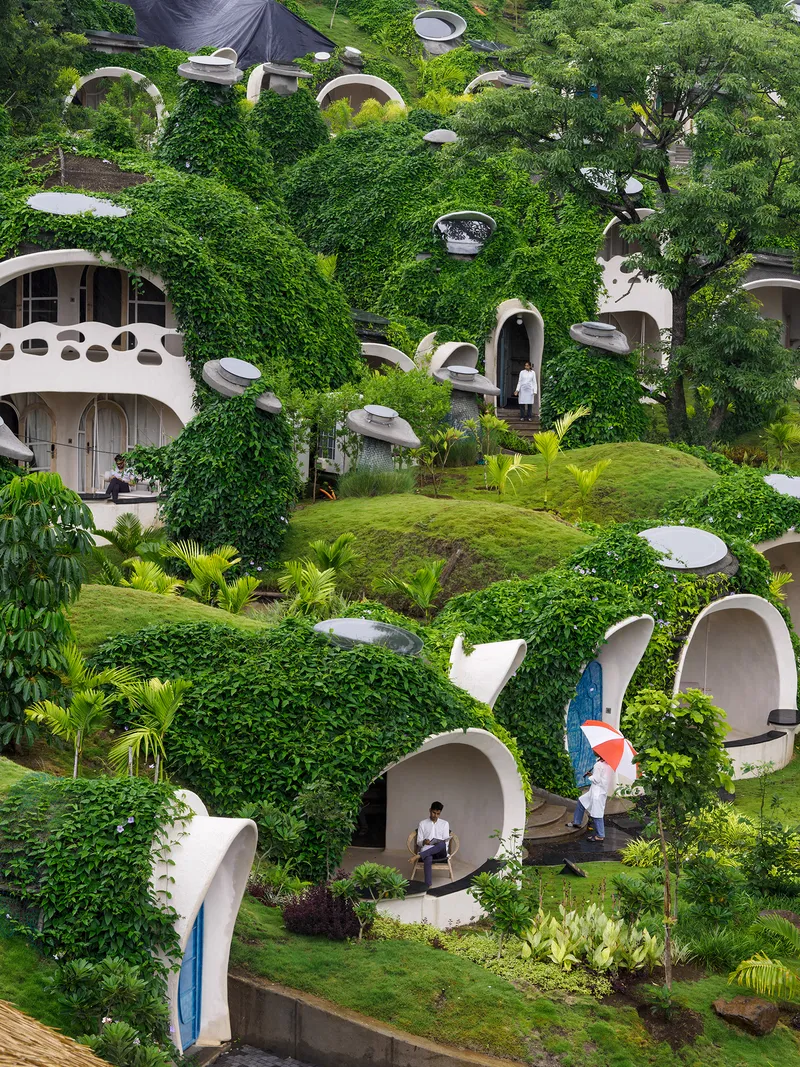
Guhas at Swastik Wellbeing Sanctury, Pune
Electricity use is minimal, food is estate-grown, lights go out by 9:30 pm, and digital disconnection is gently nudged. “Good food, a great bed, comfortable sofas, hot water on demand, and long walks—or ghooming—set the tone for Blyton. We’ve also realised there is tremendous power in routine,” he explains.
This pivot also echoes at Ananda in the Himalayas in Rishikesh, India’s pioneering wellness destination.
“Every guest undergoes a detailed health assessment, and their programme is tailored to suit their unique body constitution, emotional needs, and health goals,” says Ananda’s COO Mahesh Natarajan.
Nature immersion, long silences, and optional tech-free zones now define the retreat’s evolved offerings. “Whether it’s meditative practices that encourage sensory withdrawal, sound healing for lasting resonance, or journalling at day’s end, these processes leave guests in a state of deep tranquillity,” adds Natarajan.
Designing for restoration
Siddhayu Wellness from the House of Baidyanath Ayurveda reflects a similar ethos. Its retreats draw from classical Ayurveda but avoid over-medicalising the experience.
“Our wellness philosophy encourages a gentle nudge toward balance, not a prescription for change,” says Anoopama Mukerjee Lohana, COO and Experiential Wellness Director, Siddhayu Wellness from the House of Baidyanath Ayurveda.
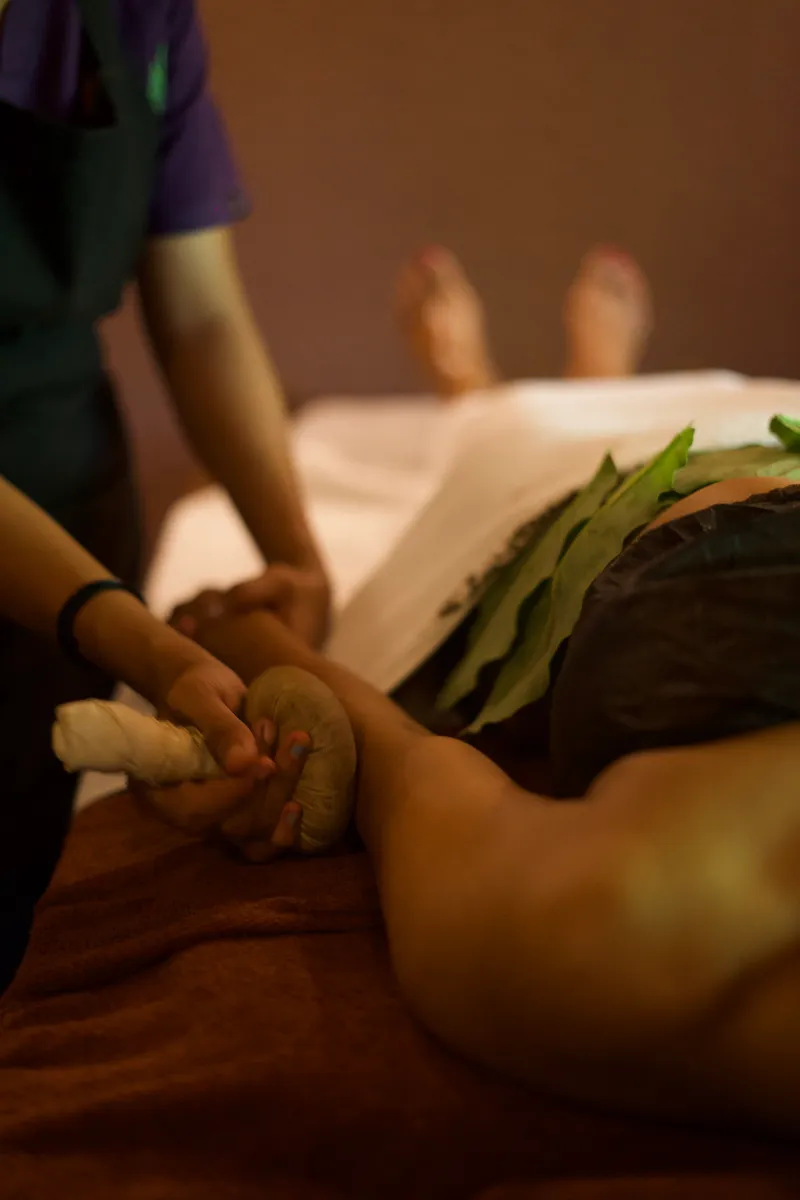
Massages at Siddhayu Wellness from the House of Baidyanath Ayurveda
Through simple Ayurvedic meals, slow routines, and respect for circadian rhythms, Siddhayu offers a wellness journey that’s deeply rooted and refreshingly unobtrusive.
From wilderness and wellness packages to residencies and retreats at The Bamboo Forest Safari Lodge in Tadoba and The Bamboo Forest Nature Conservancy Gothangaon, the brand blends Vaidya-mentored therapeutic Ayurveda programmes with deep wilderness immersion.
“These experiences centre around creating space rather than filling it—removing digital noise, unnecessary frills, and the urge to over-schedule. The result is a natural immersion into wellness, rather than a curated itinerary that announces itself,” says Lohana.
A key pillar of this ‘stealth wellness’ philosophy is design that supports disconnection without dramatic declarations. Properties embracing this approach focus on architectural calm: large windows framing natural landscapes, muted palettes, and unstructured common areas that invite contemplation rather than consumption.
At Swastik Wellbeing Sanctuary in Pune, stealth wellness begins with design that mirrors nature, not dominates it. Located in a forested valley near Khadakwasla lake, the property has replaced televisions with books, constructed cave-like guhas for accommodation, and limited phone usage to guest rooms.
“We simulate the natural flow of energy,” explains Dr B Rajesh Srinivas, General Manager and Wellness Head. “Curved walls, natural flooring, and east-facing buildings help guests recalibrate without realising it.”
Every detail is tuned toward inner peace—from the domed yoga hall that enhances resonance to the silent sonorium designed for sound healing.

Ayurvedic thali at Swastik
Ananda in the Himalayas also exemplifies this philosophy. Nestled in the Himalayan foothills overlooking the Ganges and Rishikesh, the resort is encased by nature and infused with spiritual energy. It uses local materials like slate roofs and timber floors with earthy tones, blending unobtrusively into its forested setting.
“Large windows, high ceilings, and skylights dissolve the boundary between indoors and outdoors,” says Natarajan.
Indigenous-inspired artwork, meditation pavilions, and yogashalas integrate seamlessly with nature, creating spaces for inward reflection and enhancing the atmosphere of healing and rejuvenation—characteristic of biophilic design.
Wellness that flows with nature
At The Westin Resort & Spa Himalayas, located beside the Ganges and framed by mountain trails, wellness is guided less by schedules and more by sensory cues. “Guests are looking beyond traditional wellness, seeking moments that quietly nourish their inner selves,” says Agatha B Marak, Associate Director of Spa, Westin Resort & Spa Himalayas.
The resort uses biophilic design—open-air corridors, tactile materials, earthy tones, and terrariums that invite mindfulness. “It’s about creating an atmosphere where wellness is felt in every touchpoint, not just scheduled,” Marak adds. Guests enjoy silent forest walks, riverside picnics, and stargazing sessions—never overtly marketed as wellness, yet deeply restorative.
Across properties like Westin, Swastik Wellbeing Sanctuary, Ananda in the Himalayas, and Blyton Bungalow, there’s a shift from wellness as a product to well-being as a practice. Swastik anchors its approach in five dimensions: health, wealth, love, bliss, and spirituality. “Even nature has a structure,” says Dr Srinivas. At Blyton, Reddy echoes this: “Just letting a guest fall into the rhythm of the land, that’s wellness.”
From device disconnection to real connections
Tech-free or low-tech environments are another key element of stealth wellness.
At Swastik Wellbeing Sanctuary, mobile use is allowed only within private accommodations, while at The Westin Resort & Spa Himalayas, in-room touchpoints are deliberately low-tech with minimal digital interfaces.
“Guests appreciate the nudge to unplug,” says Marak of Westin.
These measures are never enforced. Instead, the properties create environments so immersive and sensorially rich that guests naturally drift away from screens.
“We don’t enforce silence,” says Reddy of Blyton Bungalow. “We create a space where people find it.”
At Siddhayu Wellness, low-tech zones have been intentionally designed across the property–gardens, treatment areas, and quiet lounges where devices are discouraged so guests can be fully present.
“Some initially feel restless without their digital crutches, but very quickly they appreciate the stillness,” says Lohana. “These pauses become the moments they remember most, leaving them lighter and more connected.”
Marketing wellness in its subtler forms has challenges, especially in a country where spa treatments and yoga packages dominate the narrative. Yet these properties rely on word-of-mouth, storytelling, and atmosphere.
“Guests who come to places like ours aren’t looking for material luxury,” says Reddy. “They’re looking for connection.”
This connection often manifests in meaningful ways. For example, Blyton’s guests crowdfunded its chef’s daughter’s education.
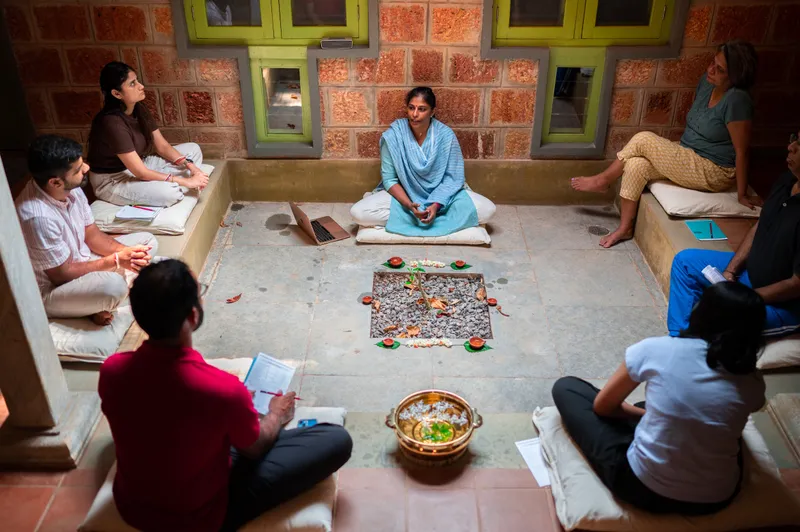
Mornings at Blyton Bunglow, Poomaale, Coorg by Beforest Lifestyle Solutions
At Swastik, many guests enrol themselves in five-year wellbeing programmes. “Once the value is clear, there is zero resistance,” says Dr Srinivas. “Well-being becomes a lifestyle, not a checklist.
The future of feeling well
As India’s wellness-hospitality space matures, stealth wellness is emerging as the counterpoint to over-programmed luxury retreats.
“It’s not about selling a service,” says Marak. “It’s about offering a feeling.”
That feeling is hard to name but easy to remember: a slow breakfast under the trees, the hush of the forest after sunset, or the joy of finding a mushroom on a misty walk.
For instance, most of Siddhayu’s meaningful offerings aren’t labelled as ‘wellness’ at all—they are just quiet invitations to guests.
“Guests might sit by a lotus pond with a book, wander across dew-covered herb gardens at dawn, or watch the stars in silence. These unscheduled, unbranded moments often leave the deepest impact. In that space, wellness feels most authentic,” says Lohana.
Wellness today is not curated or packaged but is discovered in stillness. And for guests who arrive at these spaces burdened by the noise of modern life, quiet moments become a real luxury—serving as reminders that presence, and not programming, is what they were seeking all along.
Edited by Swetha Kannan