


Men’s grooming comes of age; Bots eating ad budgets
Consumer companies are increasingly betting on the male grooming and personal care categories. Wasted digital ad spend in India runs into tens of thousands of crores each year, sustained by bots. A new MSSRF study shows that rising temperatures are severely reshaping women’s health and daily lives.


Hello,
Ozempic has finally reached Indian shores.
US pharma major Novo Nordisk will sell the drug in a pen format, pricing the 0.25 mg dose at $24.35 per week. It will also be available in 0.5 mg and 1 mg doses.
Since its approval in 2017, Ozempic has become a global bestseller and widely used off-label for weight loss. With India having the world’s second-largest population of Type 2 diabetes patients after China, analysts expect the segment to reach $150 billion annually by decade-end.
GLP-1 weight-loss drugs like Ozempic and Wegovy have fuelled a boom in clinics, telehealth startups, and even hospitals offering programmes for instant weight loss. However, Jitendra Chouksey, CEO of Pune-based healthtech startup Fittr, is cautioning against its craze, calling it a “disaster waiting to unfold.”
In other news, India’s cargo fleet can’t turn a profit, despite flying record amounts of freight.
Latest government data showed that Blue Dart is the lone gainer in a market where rivals are drowning in losses, revealing a stark divide inside one of aviation’s fastest-growing businesses.
In fact, the nationwide disruption in air transport caused by Indigo’s pilot shortage delayed ecommerce shipments across several categories, with platforms running Black Friday and year-end sales.
Lastly, Vinesh Phogat is back from retirement to have another shot at Olympic glory in Los Angeles in 2028.
The champion returns.
In today’s newsletter, we will talk about
- Men’s grooming comes of age
- Bots eating ad budgets
- Heatwaves are getting deadlier for women
Here’s your trivia for today: In Physics, what unit of time is defined by how long it takes light to travel one centimetre in a vacuum?
Ecommerce
Men’s grooming comes of age
Consumer companies are increasingly betting on the male grooming and personal care categories as men's attitudes towards self-care are changing, and they are willing to buy premium products.
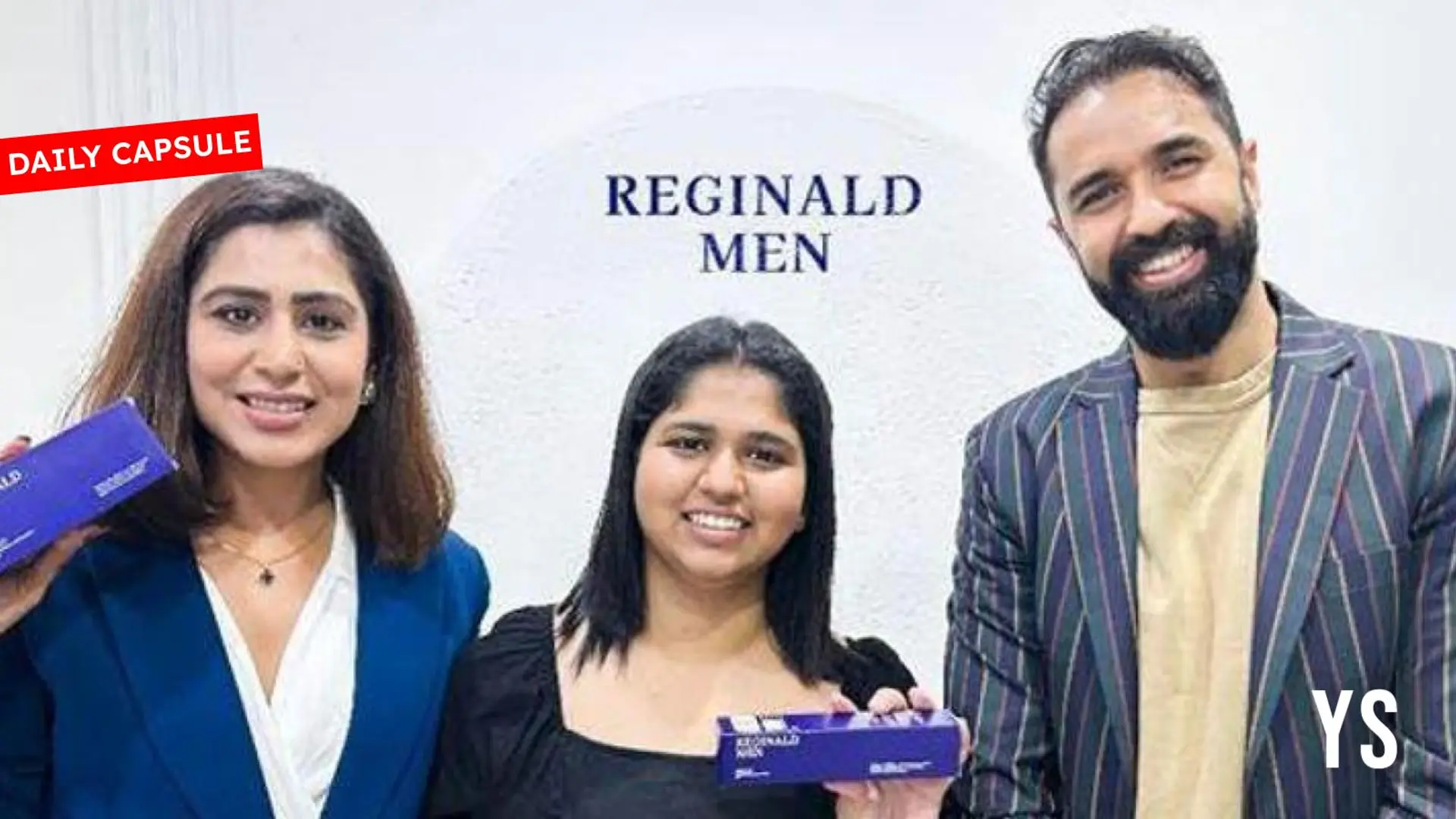
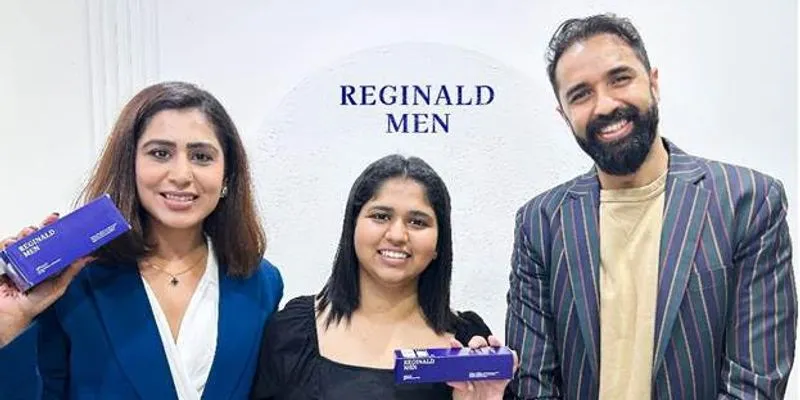
Honasa Consumer recently announced the acquisition of BTM Ventures, which operates the brand Reginald Men, a premium men's skincare range. Last month, Godrej Consumer acquired men's grooming brand Muuchstac in a whopping all-cash deal of Rs 450 crore.
In style:
- Varun Alagh-led Honasa Consumer will acquire a 95% stake in BTM Ventures for an enterprise value of Rs 195 crore via secondary purchase.
- Founded in 2022 by Trisha Reddy, Reginald Men offers a range of products, including serums and sunscreens. It clocked a topline of over Rs 70 crore in the 12 months ended October 2025, with a 25% EBITDA.
- According to a report by Fireside Ventures, the men's grooming market is expected to go from $13 billion in 2022 to $25 billion by 2030, growing at a CAGR of 9%.
Top Funding Deals of the Week
Startup: Fibe
Amount: $35M
Round: Series F
Startup: Inito
Amount: $29M
Round: Series B
Startup: Soleos Solar Energy
Amount: $12M
Round: Undisclosed
Insight
Bots eating ad budgets
A large portion of advertisements on websites and apps—about 30 -40%—are never seen by human eyes, never processed by human minds, and never shown to real users at all.
According to mFilterIt, a digital trust and intelligence company that analysed 342 advertising campaigns in 2024, the industry still treats "viewability" as proof of success.
Key takeaways:
- Under current standards, an ad counts as "viewable" if at least 50% of its pixels appear on screen for one second (two seconds for video). This threshold determines billing. Advertisers pay when this technical condition is met.
- Bots are now designed to pass the one-second test. They scroll. They hover over content. They watch videos for exactly two seconds, then move on. They mimic human boredom and distraction. They clear billing thresholds without being human.
- App install campaigns are worse. Companies pay Rs 150 to Rs 500 per install, depending on the category. While things appear to be running smoothly on dashboards, retention data shows otherwise.

Climate
Heatwaves are getting deadlier for women
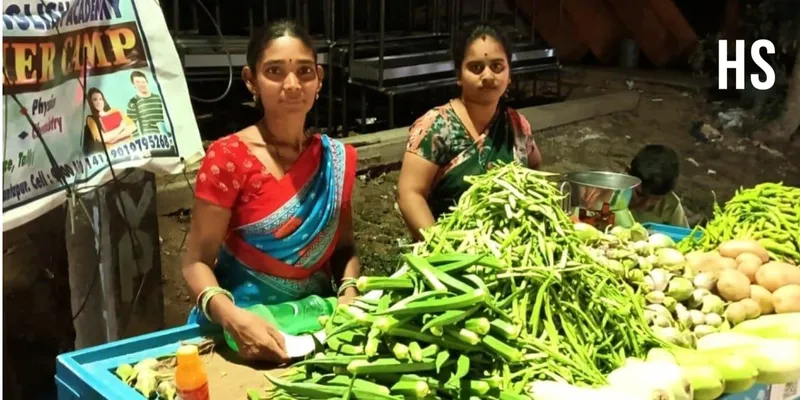
India has more than 250 Heat Action Plans. And most of them ignore women almost entirely, treating almost half of India’s population as a single homogenous category.
For over a decade now, clear evidence has shown that women in high vulnerability districts face higher anaemia, undernutrition, pregnancy loss, menstrual disruptions, and even doubled hysterectomy rates among the poorest. These are some of the observations that emerge from a new report released in November 2025 by the M.S. Swaminathan Research Foundation.
News & updates
- Production: Nvidia told Chinese clients it is evaluating adding production capacity for its powerful H200 AI chips after orders exceeded its current output level. The move comes after the US government said it would allow Nvidia to export H200 processors to China and collect a 25% fee on such sales.
- Upgrade: World, the biometric ID verification project co-founded by Sam Altman, released the newest version of its app today, debuting several new features, including an encrypted chat integration and an expanded Venmo-like capability for sending and requesting crypto.
- Chips: China is considering a package of incentives worth as much as $70 billion to bankroll and support its chipmaking industry, pouring more state money into a sector it deems pivotal to its technological conflict with the US.
In Physics, what unit of time is defined by how long it takes light to travel one centimetre in a vacuum?
Answer: A jiffy.
We would love to hear from you! To let us know what you liked and disliked about our newsletter, please mail [email protected].
If you don’t already get this newsletter in your inbox, sign up here. For past editions of the YourStory Buzz, you can check our Daily Capsule page here.