



Year in Review: The great Indian consumer reset powered by protein, pickleball and micro-dramas
Pickleball courts multiplied, micro-dramas went big, and snacking bulked on protein this year. India upgraded its consumer behaviour in 2025 and built industries around it.
Debolina Biswas
Monday December 08, 2025 , 10 min Read

If 2024 was the teaser, 2025 saw the movie unfolding.
It was a year where we, the consumers, hit fast-forward. Physical fitness turned to social media trends, entertainment shrank to seconds, and snacking bulked up on protein. From pickleball courts mushrooming across every neighbourhood, to micro-dramas becoming the companion during work commute, to lab-grown diamonds gaining acceptance, consumer behaviour has changed this year.
YourStory brings to you the top five consumer trends that shaped 2025.
Pickleball

Invented as a backyard game for kids in the 1960s America, pickleball is a blend of tennis, badminton, and table tennis. The game has now become one of India’s fastest-growing sports. Its global popularity took off in the pandemic years when celebrities like Leonardo DiCaprio, Ellen DeGeneres, Emma Watson and Serena Williams became its unofficial brand ambassadors.
What began as an accessible, low-impact recreational activity has now found a strong footing in India. Early adopters emerged in the top cities like Bengaluru, Mumbai, Delhi, Pune, and Hyderabad, with the formation of early communities of pickleball.
In 2025, social media became the primary growth engine as urban Indians looked for new fitness routines, community-based sports, and social experiences beyond the traditional dining, bar-hopping, and binge-watching.
Today, the pandemic hobby has matured into a structured, monetisable ecosystem spanning equipment manufacturing, real estate, private academies, sports cafes and professional leagues. As India heads to 2026, pickleball is no longer a fitness trend but a commercial opportunity attracting operators, entrepreneurs and investors.
Lower cost of setting up a court, and the emergence of homegrown equipment and apparel companies, have led to the popularity of the sport.
Setting up a typical badminton court can cost up to Rs 15 lakh, whereas a pickleball court requires only Rs 3-5 lakh of investment. India had around 200 operational pickleball courts in early 2024 and that number had touched 1200 by the first half of 2025, with three or more courts being added every few weeks in the major metros, CapTable reported.
Government-recognised body for pickleball in India, the All India Pickleball Association (AIPA), along with state-level associations like Karnataka State Pickleball Association, has further amplified the sport. By 2028, the number of active players is projected to reach one million, from 60,000 players in 2024, recording a 1500% increase, AIPA suggests.
The momentum is also reflected in the corporate and institutional interest. Recently, Nazara Technologies’ subsidiary Absolute Sports acquired a Mumbai franchise in the Indian Pickleball League. Delhi-based sports technology and analytics company Stupa Sports announced it had partnered with Pickleball Champions League (PCL) Asia Finals 2025 in Shenzhen, China as its exclusive data and technology provider. Tennis champion Sania Mirza has also backed the boom by investing in Boldfit, a sports and fitness brand creating pickleball gear for India.
Indian schools are joining the movement, too. Bengaluru’s GEAR School, GD Goenka in Delhi, and NSM in Mumbai have introduced dedicated pickleball programmes for its students.
Earlier in September, Chennai hosted Pickleball By the Bay and Music Festival, an experience blending competitive sports, music, lifestyle and community engagement. In fact, hospitality groups like Indian Hotels Company (IHCL), JW Marriott, Lohona Stays, The Centrum, and Swashbuckler Hospitality are rapidly adding pickleball courts in their properties to attract guests.
As India moves into 2026, pickleball’s trajectory suggests the sport is becoming a full-blown industry.
Short-form video

In 2025, short-form video content emerged as dominant across digital platforms. Once a niche category built around TikTok clips and Instagram reels, bite-sized videos have now become the backbone of brand engagement, social media strategy and mobile-first storytelling.
A key reason behind this shift has been shrinking attention spans. Multiple studies estimate that the average human attention span today is about 8.25 seconds, even shorter than the popularly cited ‘nine-second goldfish’ myth. And owing to this, snappy, visually arresting content is performing much better than long-form videos across platforms.
On Instagram, short-form video now accounts for up to 20% of the time spent on the app; and an average TikTok user spends about 52 minutes per day on the platform, with 92% of all users engaging with at least one video during their usage, a report by marketing company ETASolution suggests.
In 2025, 90% of marketers are centering their content plans around short-form video and close to 54% of these brands have reported increased engagement and better ROI (68%) than other content formats. This makes short-form video a high-value tool, especially for campaigns aimed at reach, attention and conversations.
For Indian micro-drama entertainment platforms, the future looks bright too. For the 90-second to two-minute videos, downloads grew by 113% in the first quarter of 2025, with rising uptake in the Tier II and Tier III cities.
For instance, ShareChat, along with its regional content platform Moj, has over 200 million users. The overall micro-drama market is expected to touch $1 billion by 2030, according to a RedSeer report.
Investors are betting on the space too. VCs like Stellaris Venture Partners and Titan Capital have backed Flick TV, while Eloelo has received funding from the likes of Kalaari Capital, and Play Ventures, among others; Kuku FM is backed by Granite Asia, Vertex Growth Fund, and others; Chai Shots raised a seed round led by InfoEdge Ventures and General Catalyst; while ReelSaga received funding from Picus Capital, Nazara Technologies, ITI Growth Opportunities Fund and 8i Ventures to scale its content for GenZ audiences. Balaji Telefilms has partnered with Story TV to create mobile-first micro dramas.
On the other hand, digital majors like Amazon MX (with Fatafat), ShareChat (with Moj and QuickTV), Zee Entertainment (Bullet app), and Hoichoi (Sooper) are also tapping into the growing appetite for micro-dramas and replicating China’s success.
Protein

The discerning Indian consumer latched onto another frenzy this year: everything protein. From protein powders, bars and shakes, we moved to chips, aata, bread and milk. The growing consumer shift paved the way for a host of startups to build in the category, finding their moat in the protein quantity, taste and format.
The year saw a host of names pull up and find their way into carts, mostly on quick commerce platforms. With high protein versions of daily goods commanding a premium as compared to generic options and a better margin, platforms and businesses jumped on the opportunity to capitalise on the demand muscle in better-for-you categories.
Businesses are betting on the value-focused consumer, those who are asking for more bang for their buck, demanding indulgence packed under a healthy label. As consumer interest flowed, so did the funding.
In January, The Whole Truth raised Rs 133.3 Cr in its Series C round at 3.5X of its last valuation. Ranveer Singh’s Super You, which sells protein wafers and now chips is set to be in talks to close another large round. Protein Chef raised $3.5 million primarily to scale the brand on quick commerce platforms. Other players in the better-for-you space, like Health Factory, Farmely, also netted capital.
The interest proliferated beyond packed goods, with food delivery players and restaurants jumping on customer search for high-protein options. Zomato launched its Healthy Mode, which highlights nutritional information as well as uses AI to curate high-protein meals. Swiggy also has high protein tags and summaries to aid search. The trend has trickled to restaurants as well, with players like Salad Days and Kenko Life raising capital on offering clean, healthy and, among other things offering protein-rich menus.

Quick Everything
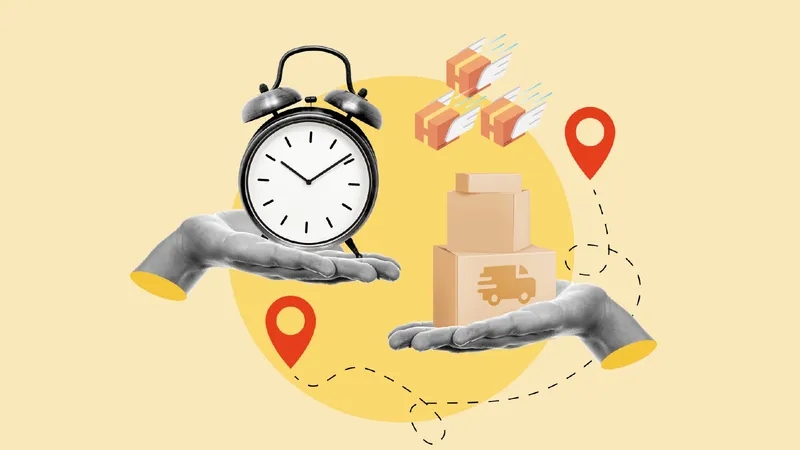
The convenience-led quick commerce customers also got pulled into a host of other convenience-related services with everything from house help to fashion being bought under the quick umbrella.
Quick services platforms like Snabbit, Pronto, and Urban Company’s Insta Help expanded operations and found their way into consumers’ lives in tasks as menial as peeling pomegranates.
Mumbai-based Snabbit raised $50 million across rounds to scale operations in Mumbai and Bengaluru while Pronto raised $13 million to offer everything from cleaning, cooking and child care. Home services market leader Urban Company said its Insta Help vertical was its fastest growing vertical, although it managed to weigh in on the company’s bottomline.
As consumers got used to quick commerce timelines, waiting 40 -mins for food delivery orders seemed like it was too long. The 10-minute quick food space also saw investments and experiments, with Swiggy launching Snacc and seeing heavy traction on Bolt, its 10-min delivery initiative and Zomato shutting down Quick and instead scaling Bistro by Blinkit. The space also saw players beyond the food delivery duopoly, with Bengaluru-based Swish netting $16 million in funding from Accel.
Fashion and quick commerce also had its moment in the sun, with everyone from retailers, quick commerce platforms, brands to e-commerce players trying to solve fashion delivery, of under two hours or so.
While Blinkit, Zepto and the likes hosted necessities and basic essentials in fashion for a while, the tide turned as customers started looking at fashion with the same level of impulse.
Vertical quick fashion apps propped up and gained investor trust on the basis of evolution of the quick commerce consumer to other apps. Mumbai-based Zulu Club also raised capital with Bengaluru-based Slikk raising$13.5 million across rounds. The segment also claimed its first victim when Blip shut down its operation citing unsustainable unit economics. Vertical marketplaces like Myntra with M-Now and Nykaa with Nykaa Now and even Ajio also got into the mix, trying to retain their place in the face of the prominence of quick commerce players.
Brands weren’t far behind, not willing to lose out on a customer touchpoint, apparel players like Newme & Snitch initiated quick fashion delivery from their stores and warehouses.
Lab-grown diamonds

The Indian jewellery industry also went through a disruption as investors bet on the aspirational Indian consumer, with lab-grown diamond players netting capital to scale operations and increase consumer awareness.
Lab-grown diamonds, also known as man-made diamonds, have been gaining popularity on account of their relatively low cost, high degree of customisation and influence from global popularity.
India, which already has a diamond cutting and polishing muscle, has easily picked up lab-grown diamonds as its new strength. Moreover, these diamonds are increasingly finding their position in the mid-ticket gifting segment, and in daily-wear jewellery, particularly driven by millennials and Gen Z who are looking for better value.
The year saw players like Aukera, Limelight, JewelBox, Coluxe, among others, raising capital. The lab-grown diamond space picked up $47.9 million in the year to date across 14 deals, according to data from Tracxn. Biggest deals included Aukera’s $15 million series B round, followed by Shilpa Shetty’s LimeLight picking up $11 million. In 2024, investors put in only $8.7 million in the space across 10 deals.
Beyond startups, prominent jewellery brands like Senco Gold with Sennes, and Tata with Pome, among others, are gradually moving away from their exclusive natural/mined diamonds offerings in favour of lab-grown alternatives. The trend has seen these players creating new brands under the umbrella to incorporate the lab-grown one, to drive sales volumes and position it as an affordable entry point for consumers.
Edited by Affirunisa Kankudti