



Edition 23: Chitra Santhe draws throngs of artists and art lovers
In this photo essay, we showcase scenes from the popular Chitra Santhe art fair in Bengaluru.


Launched in 2014, PhotoSparks is a weekly feature from YourStory, with photographs that celebrate the spirit of creativity and innovation. In the earlier 935 posts, we featured an art festival, cartoon gallery. world music festival, telecom expo, millets fair, climate change expo, wildlife conference, startup festival, Diwali rangoli, and jazz festival.
Regarded as one of India’s largest open-air street fairs celebrating art, Bengaluru’s annual Chitra Santhe kicked off its 23rd edition this month. See our coverage of ten years of Chitra Santhe here.
Art exhibitions and art fairs play a vital role in cultural, social and economic ecosystems. They function as dynamic platforms where ideas circulate, communities form, and cultural values are negotiated. By bringing artists, audiences, and institutions into direct contact, exhibitions and fairs generate benefits that extend well beyond the art world itself.
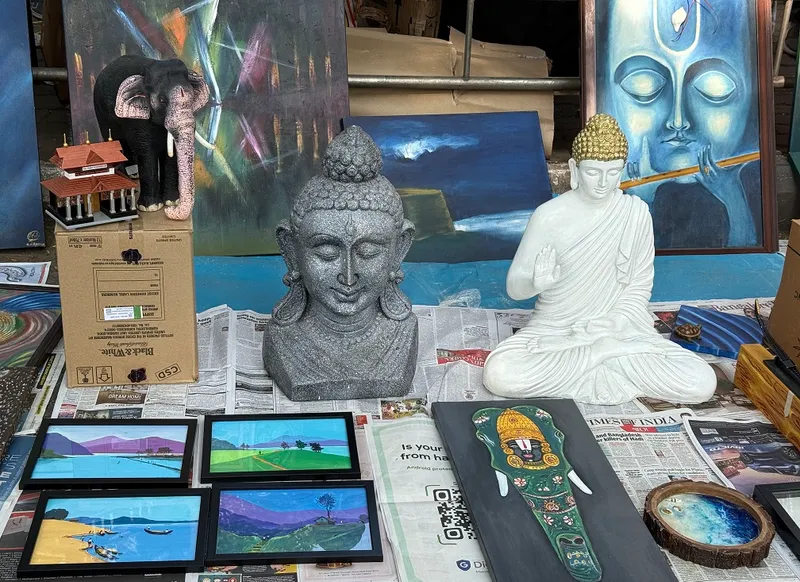
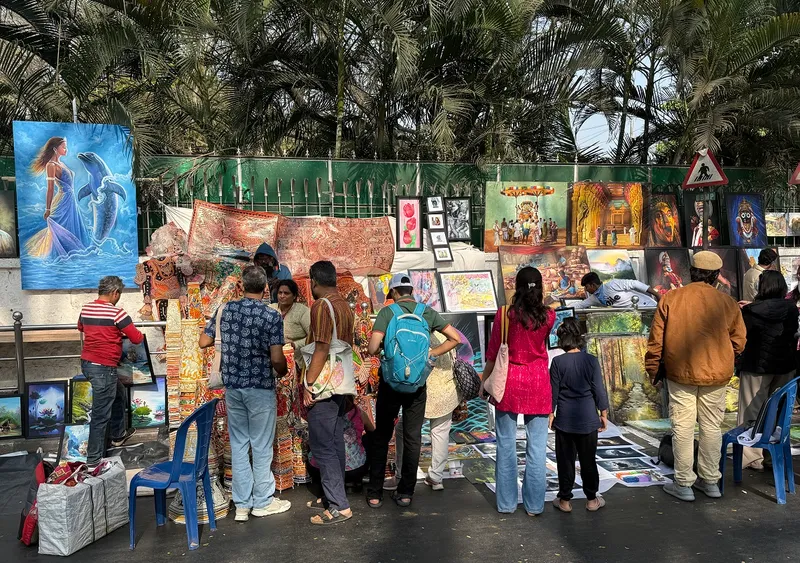
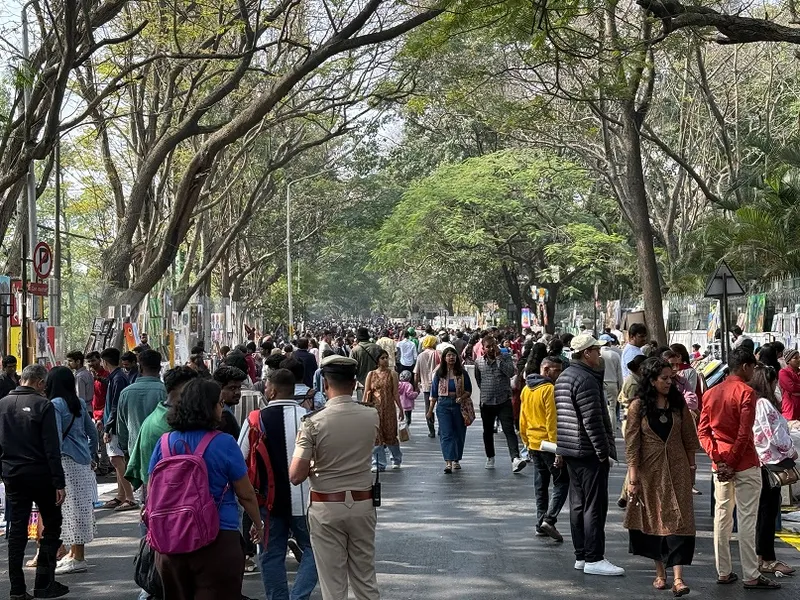
Chitra Santhe featured over 1,500 artists from across India this year, with the number of attendees estimated at over 300,000. It kicks off Bengaluru’s annual cultural calendar in fine style, on the first Sunday of January each year.
Exhibitions allow artists to contextualise their work, test ideas, and observe how audiences engage with their creations. This feedback—whether verbal, emotional, or interpretive—can shape future artistic directions and deepen an artist’s understanding of their own practice.
Karnataka’s Chief Minister Siddaramaiah, inaugurating the art fair for the eighth time, likened art to a mirror reflecting the culture of Karnataka. He also committed to extensive tree planting across the state to improve its green cover.
Chitra Santhe is organised by the Karnataka Chitrakala Parishath (KCP) in indoor galleries as well as the broad stretches of Kumara Krupa Road. See our coverage of art events organised by KCP over the past ten years here.
The exhibition stretched from Shivananda Circle to Windsor Manor Hotel, and along the side streets. Bengaluru Metropolitan Transport Corporation operated feeder bus services from key metro stations to the art fair.
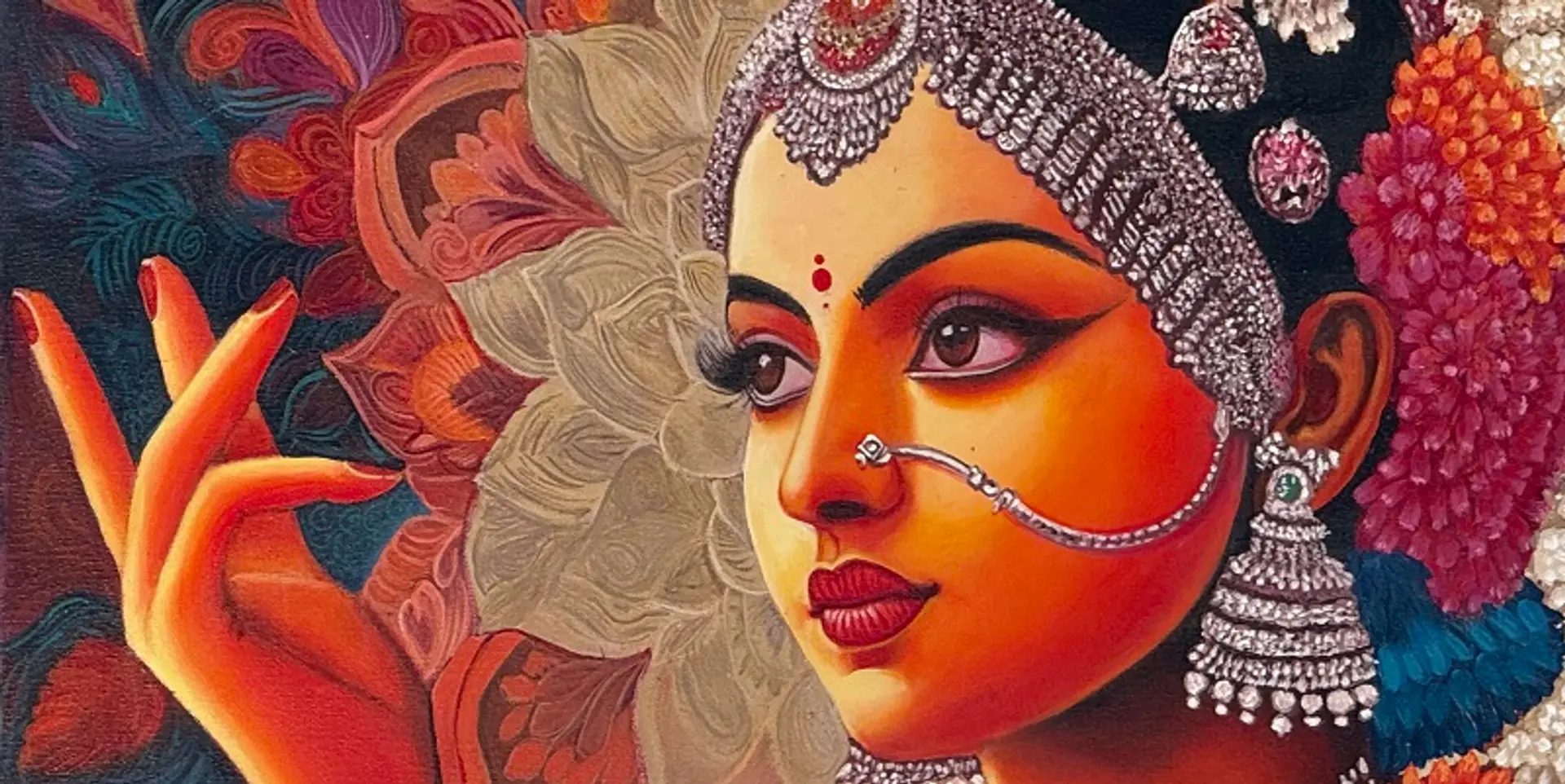
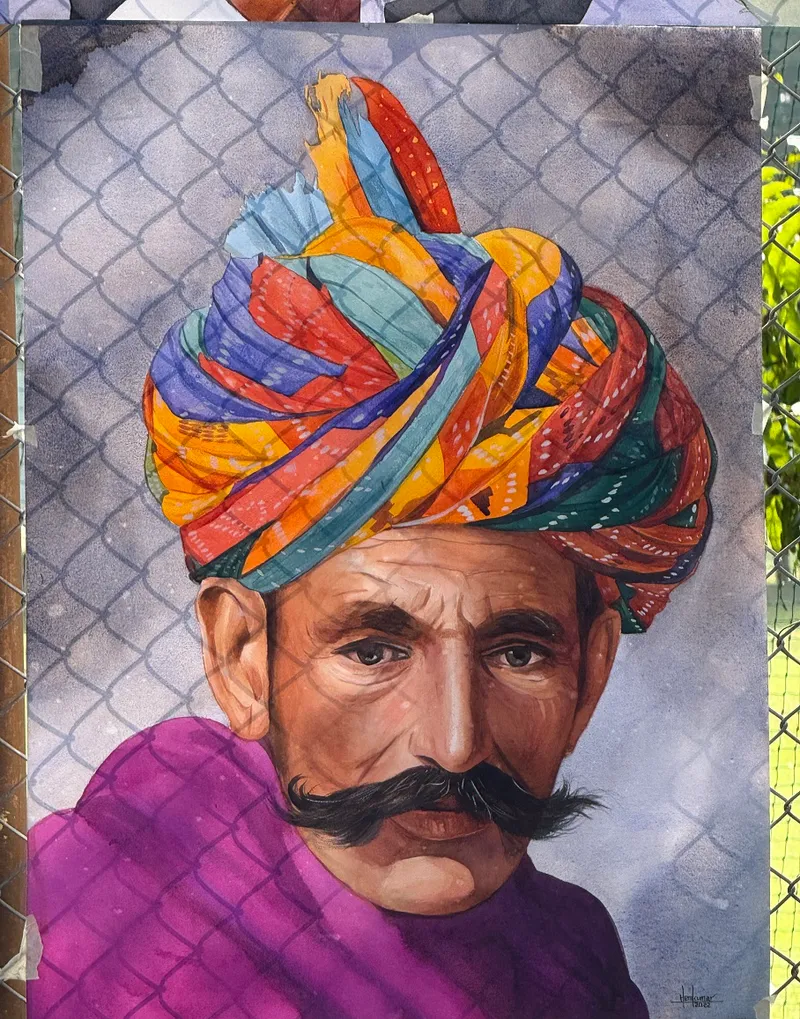
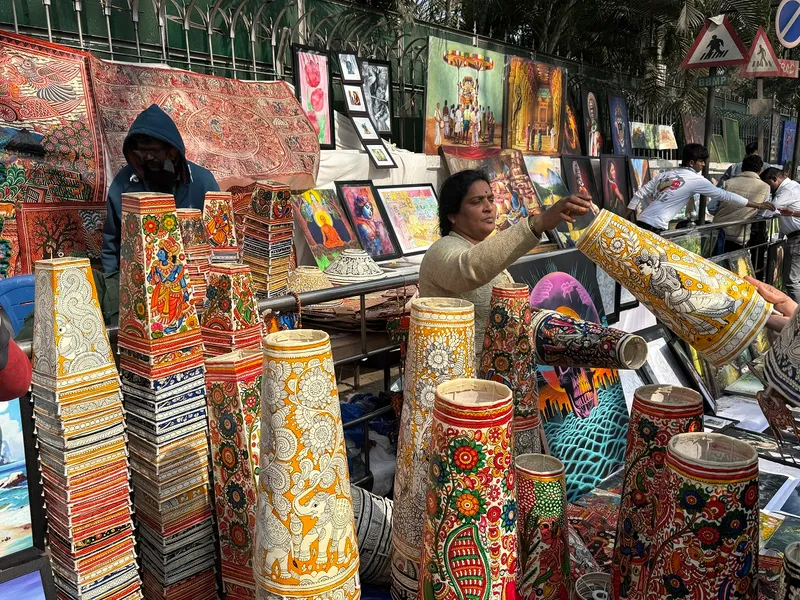
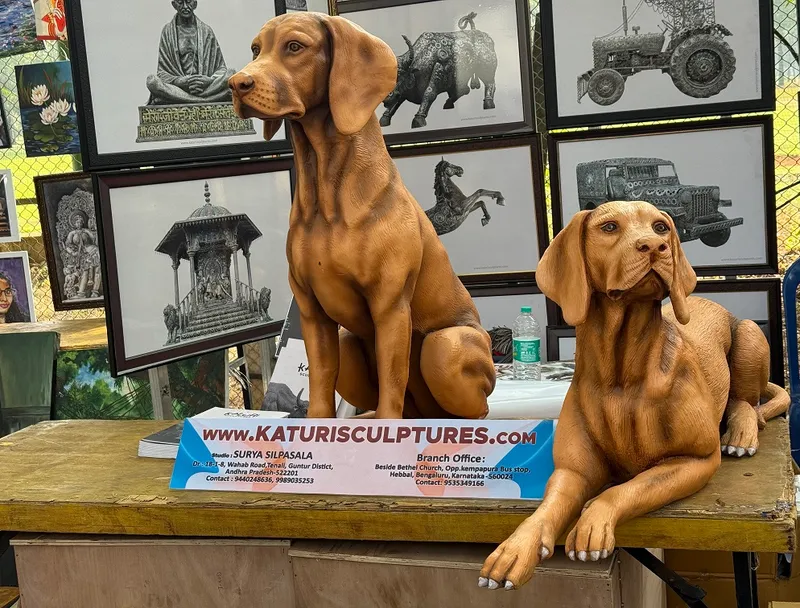
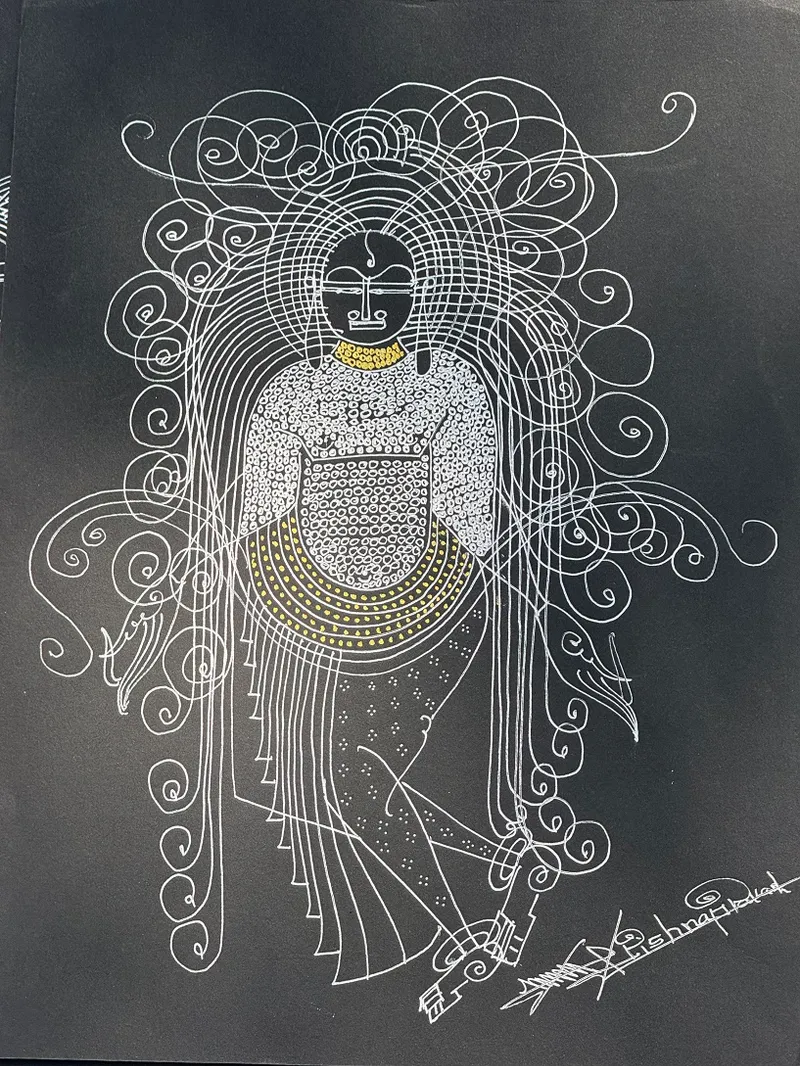
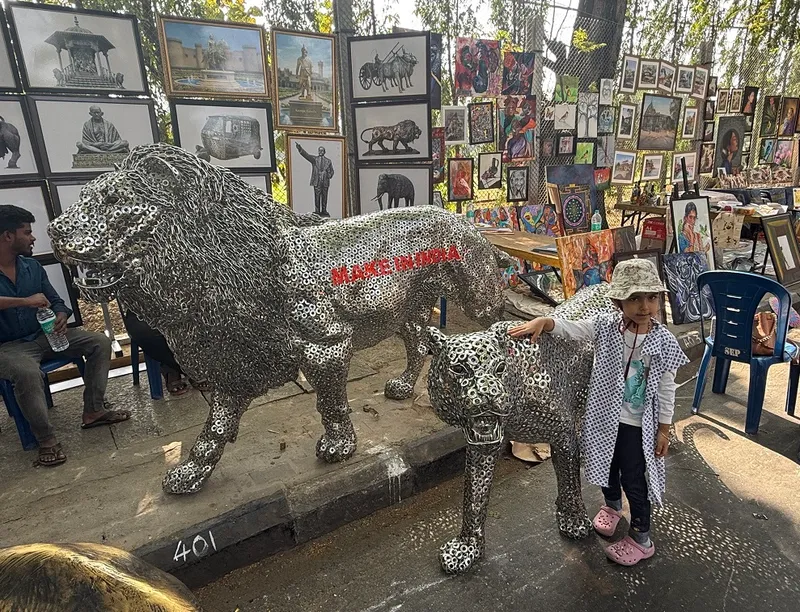
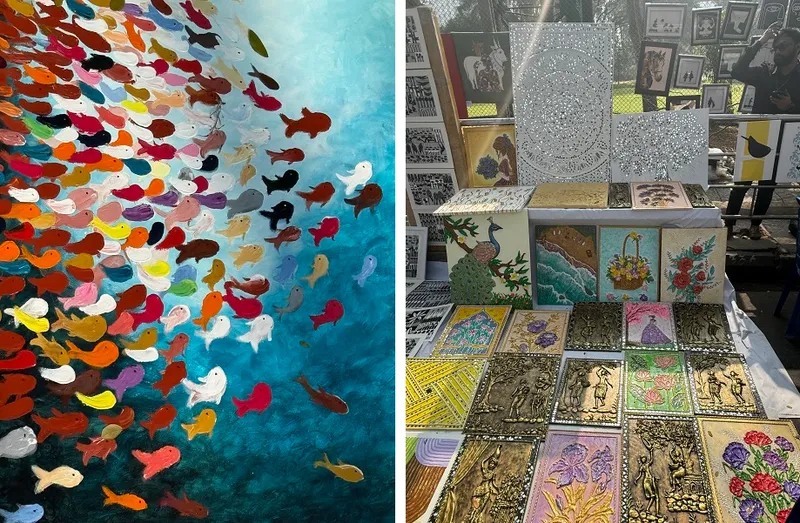
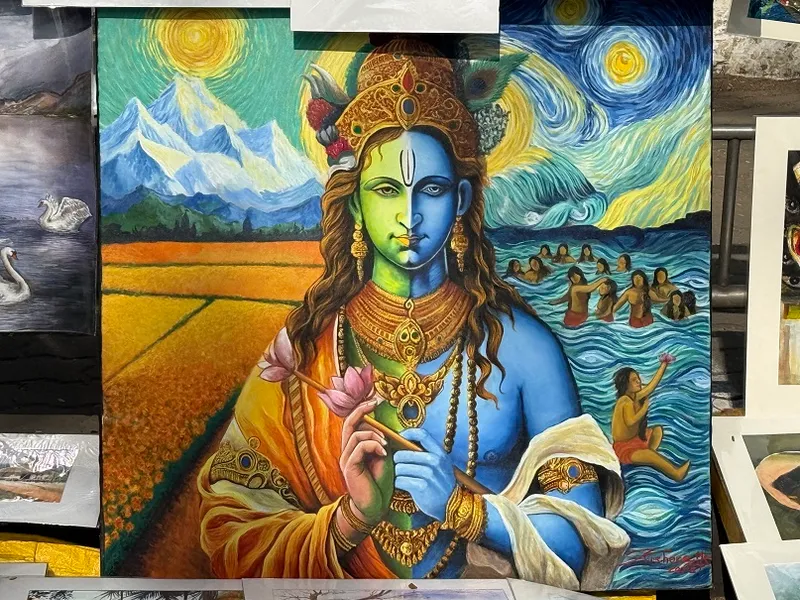
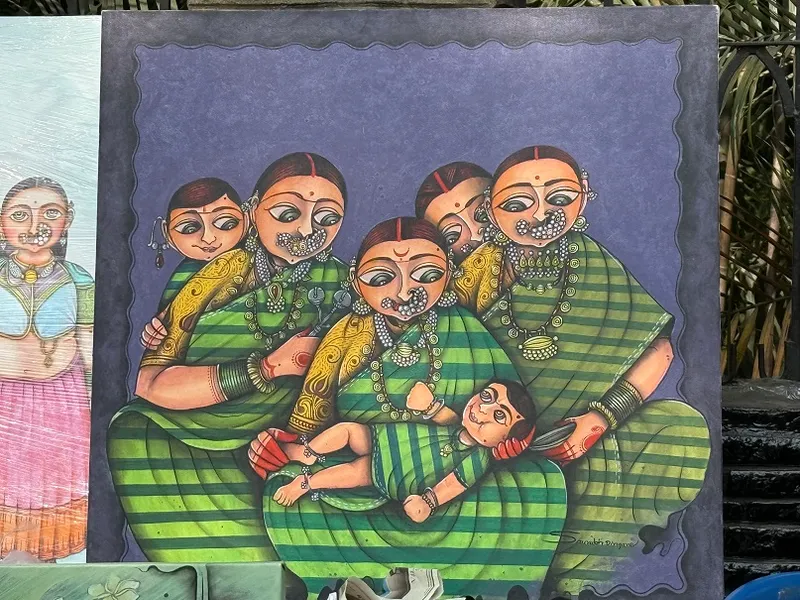
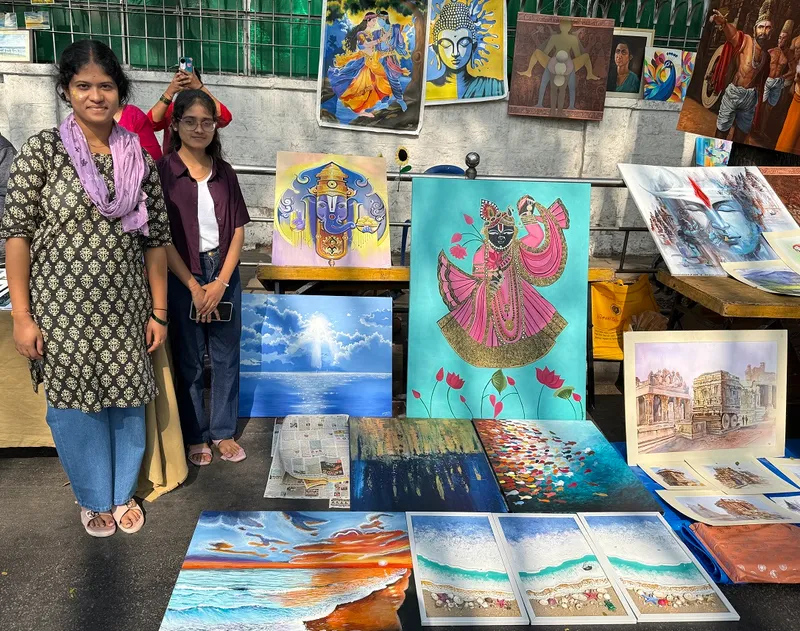
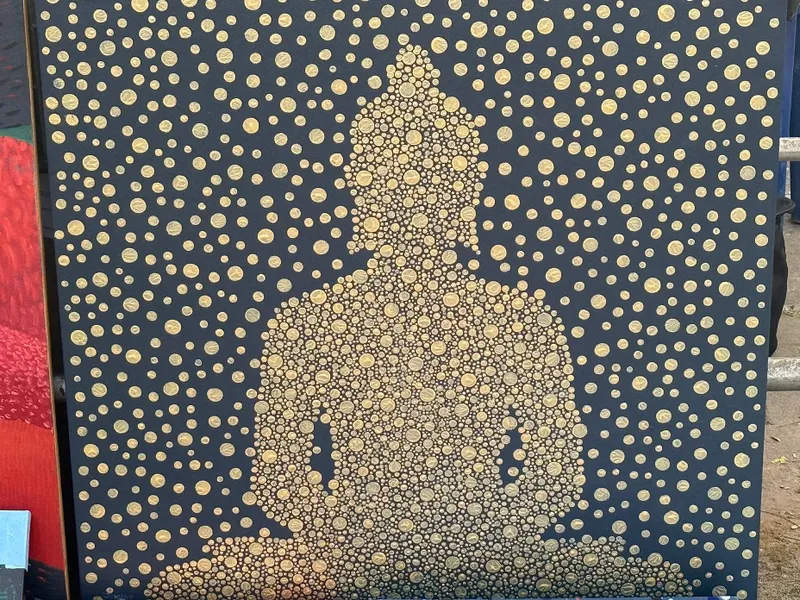
Participating artists ranged in age from the teens to senior citizens. They showcased a diverse mix of traditional and contemporary art forms, from Mysuru and Thanjavur styles to Madhubani paintings and other folk art.

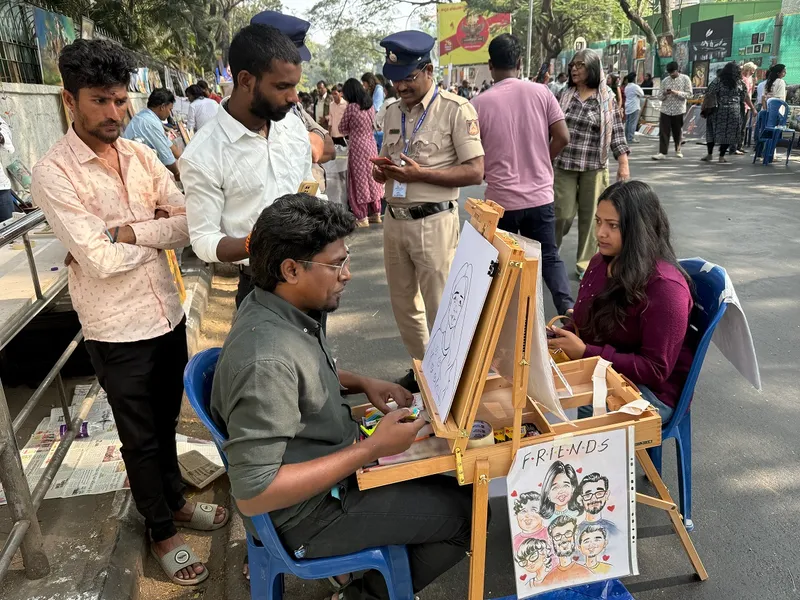
The live caricatures by artists were a popular draw as well, especially for children. In collaboration with the Vanalok Foundation, nature-based thematic arts were presented.
Exhibiting at art fairs can lead to gallery representation, institutional invitations, commissions, or acquisitions. Even for established artists, fairs reinforce professional relevance and maintain visibility in an increasingly competitive art market.
Visitors can encounter hundreds of artists, styles and cultural perspectives in a single setting. This exposure broadens visual literacy and encourages comparison, curiosity and dialogue. For collectors, fairs also provide transparency and efficiency.
Talks, walkthroughs, workshops, and performances create social spaces where people connect through shared interests. These interactions transform art from a solitary experience into a collective one, strengthening cultural participation and personal identity.
Environmental transformations and responsibilities were a key theme of Chitra Santhe this year, addressing the city’s ecology, water bodies, urban habitat, and protection of nature. Scientific and ecological issues were addressed in an artistic manner, with tributes to environmental activists as well. Such multi-disciplinary collaboration can lead to resilient cities and societies.
Now what have you done today to pause in your busy schedule and harness your creative side for a better world?
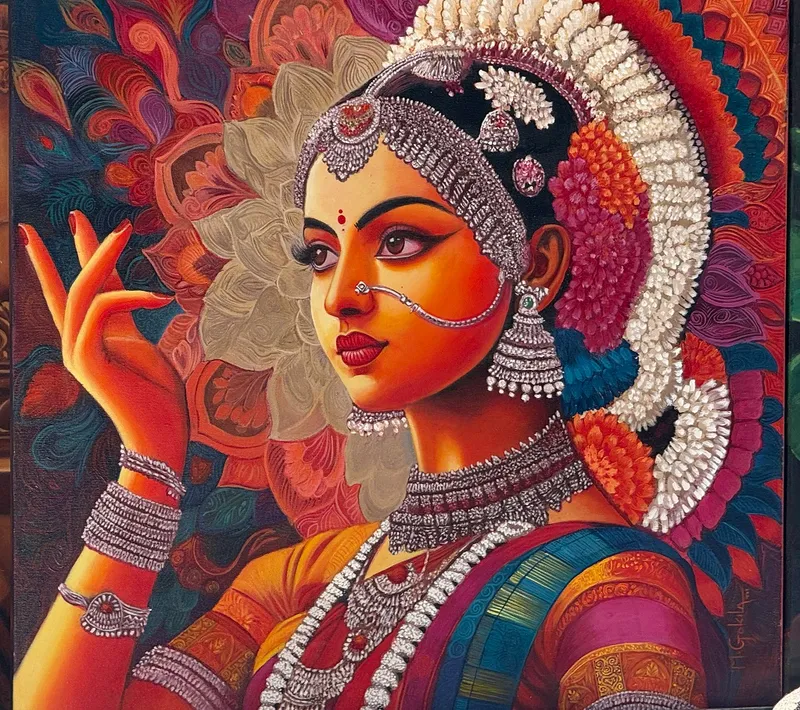
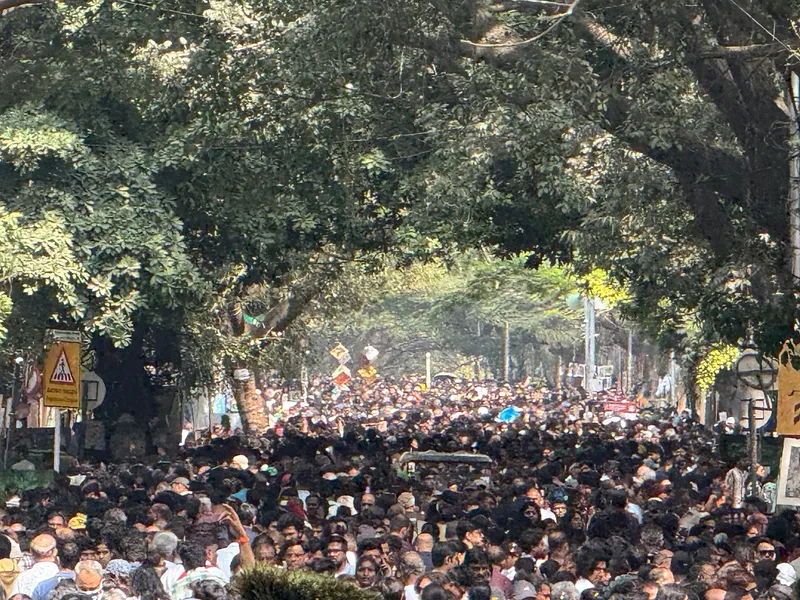
(All photographs taken by Ravishankar Rao on location at Chitra Santhe.)