


10 Wisdom-filled lessons from the book Chanakya Neeti
Explore 10 wisdom-filled lessons from Chanakya Neeti that offer timeless guidance on life, leadership, discipline, and practical decision-making.

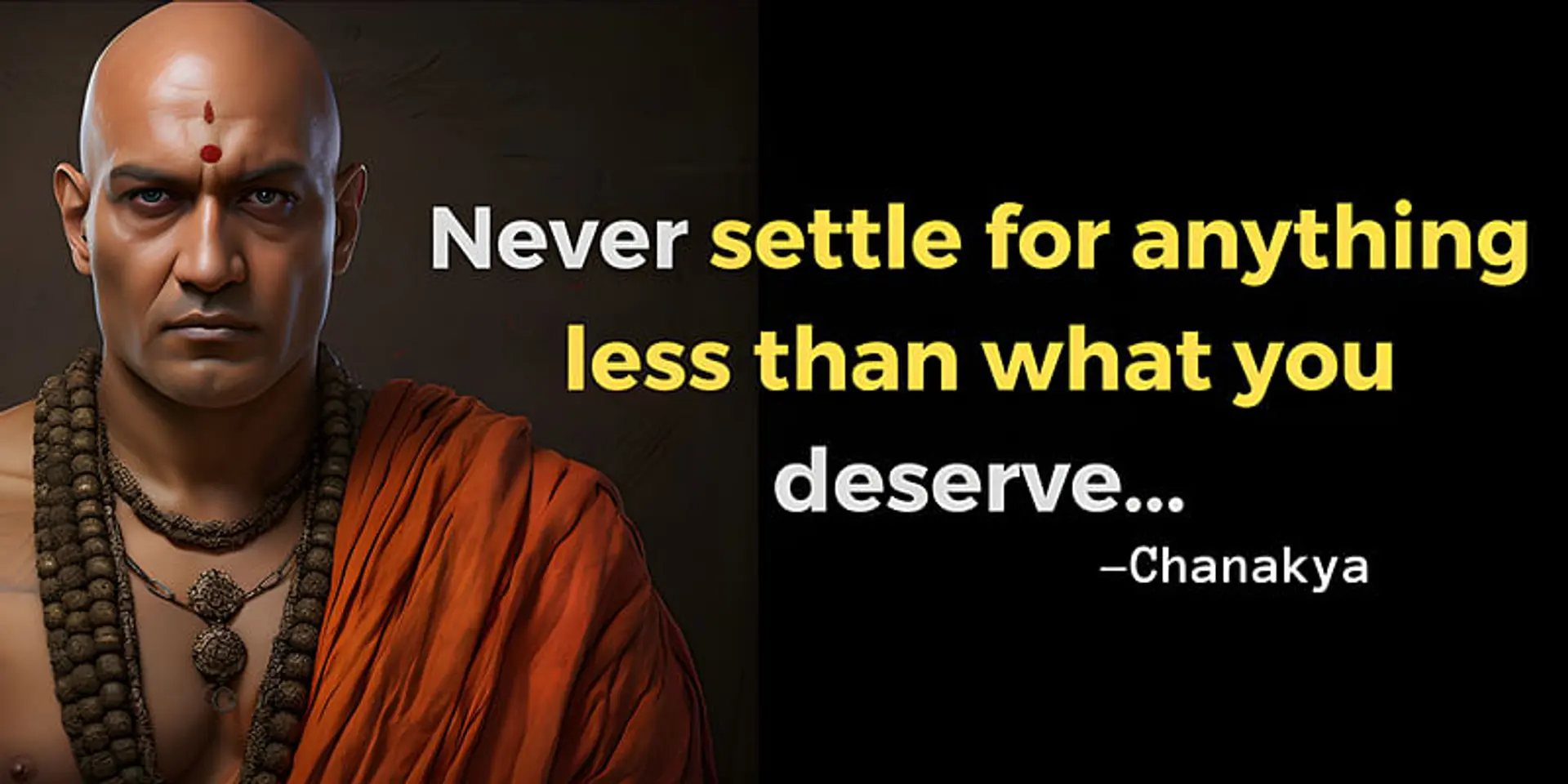

In an age of constant notifications, short attention spans, and instant opinions, wisdom often feels rare. We consume motivation in reels, seek guidance in quotes, and look for shortcuts to success—but very little of it stays with us long enough to shape our character. This is where Chanakya Neeti quietly stands apart.
Written over two thousand years ago, Chanakya Neeti is not a book of comfort. It doesn’t flatter the reader or promise easy victories. Instead, it offers something far more valuable: a clear-eyed truth about human nature, power, discipline, relationships, and survival. Chanakya—also known as Kautilya or Vishnugupta—was a philosopher, economist, teacher, and kingmaker who believed that wisdom must be practical to be useful.
What makes Chanakya Neeti timeless is its honesty. It acknowledges ambition, fear, selfishness, loyalty, and intelligence as they truly are—not as we wish them to be. The verses may be ancient, but the lessons feel uncannily modern, especially in a world driven by competition, leadership struggles, career uncertainty, and personal growth.
This book doesn’t teach you how to be liked. It teaches you how to think clearly, act wisely, and protect your self-respect.
10 wisdom-filled lessons from Chanakya Neeti
1. Knowledge is the greatest wealth
Chanakya believed that true wealth is not gold, land, or status, but knowledge that cannot be stolen.
Material wealth can disappear overnight, but education, skill, and understanding stay with you in every situation. In modern terms, this lesson reminds us why continuous learning matters more than quick success. Degrees may open doors, but wisdom keeps them open.
2. Discipline is stronger than motivation
According to Chanakya, a disciplined mind is more powerful than fleeting enthusiasm. Motivation rises and falls, but discipline creates consistency.
In today’s world of burnout and distraction, this lesson feels especially relevant. Waiting to “feel inspired” often leads to inaction. Chanakya instead urges us to build habits that function even when motivation is low.
3. Choose your company carefully
One of the most repeated themes in Chanakya Neeti is the influence of people around us. Chanakya warns that bad company quietly reshapes character, thinking, and destiny.
This applies just as much to modern workplaces, friend circles, and online spaces. The people you listen to daily shape what you normalise—success, laziness, integrity, or shortcuts.
4. Think before you speak
Chanakya placed immense importance on restraint in speech. Words spoken without thought can destroy trust, relationships, and reputation; sometimes beyond repair.
In a time when opinions are shared instantly and publicly, this lesson feels almost prophetic. Silence, when chosen wisely, is not weakness but intelligence.
5. Self-respect is non-negotiable
Chanakya believed that losing self-respect is worse than losing comfort. He warned against staying in situations—personal or professional, that repeatedly humiliate or diminish one’s dignity.
This lesson is especially powerful in relationships and workplaces where people tolerate disrespect in the name of loyalty or fear. Chanakya reminds us that compromise should never cost self-worth.
6. Understand human nature, not just ideals
Chanakya Neeti does not romanticise human behaviour. It acknowledges greed, jealousy, ambition, and fear as real forces that influence decisions.
Rather than denying these traits, Chanakya advises understanding them. This clarity helps leaders lead better, individuals make smarter choices, and people avoid naïve trust.
7. Preparation is the key to power
Chanakya strongly believed that success is built long before results are visible. Whether in governance, war, or personal growth, preparation separates failure from victory.
In modern life, this applies to careers, exams, business, and even emotional resilience. Waiting until a crisis strikes is already too late.
8. Control your desires, or they will control you
Unchecked desires, according to Chanakya, weaken judgment and invite ruin. Desire itself is not wrong—but lack of control is dangerous.
In today’s culture of instant gratification, this lesson stands as a warning. Whether it’s money, validation, pleasure, or power, excess clouds wisdom.
9. Adaptability is intelligence in action
Chanakya valued adaptability over rigid thinking. Situations change, people change, and strategies must change with them.
Stubborn attachment to outdated ideas often leads to downfall. Flexibility, when guided by principles, is a sign of intelligence, not inconsistency.
10. True leadership begins with self-mastery
For Chanakya, leadership was never about authority alone. A leader who cannot control their emotions, impulses, or ego cannot guide others.
This lesson applies beyond politics: to managers, parents, creators, and anyone influencing others. Inner discipline creates outer impact.
Final thoughts
Chanakya Neeti is not a book you read once and forget. It is a mirror, sometimes uncomfortable, often sharp, but always honest. Its lessons don’t change with trends because human nature doesn’t change with time.
In a world chasing quick success and surface-level wisdom, Chanakya Neeti offers depth, clarity, and grounded thinking. It teaches us that intelligence is not loud, power is not impulsive, and wisdom is not always gentle—but it is always necessary.
If read slowly and reflected upon, these teachings don’t just inform the mind—they strengthen character.
And in the long run, character is the most powerful strategy of all.