


History, power, talent: Montreal Museum of Fine Arts showcases beauty of Roman sculpture
In this photo essay, we feature some highlights from an outstanding exhibition of Roman sculpture at the Montreal Museum of Fine Arts.


Launched in 2014, PhotoSparks is a weekly feature from YourStory, with photographs that celebrate the spirit of creativity and innovation. In the earlier 1,000 posts, we featured an art festival, cartoon gallery. world music festival, telecom expo, millets fair, climate change expo, wildlife conference, startup festival, Diwali rangoli, and jazz festival.
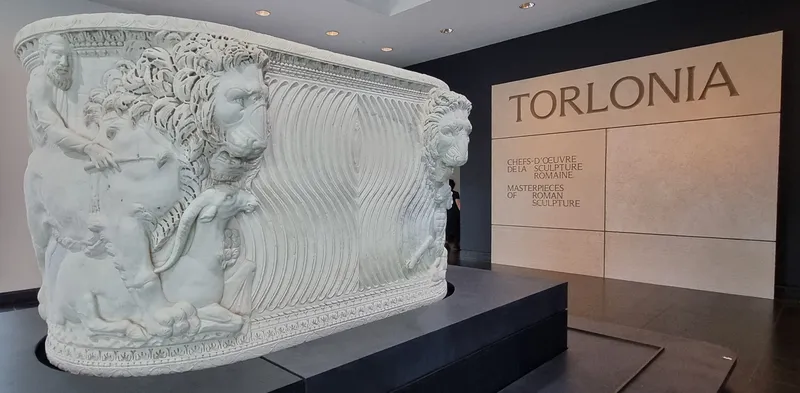
This summer, the Montreal Museum of Fine Arts (MMFA) is showcasing an outstanding exhibition titled Masterpieces of Roman Sculpture, from the Torlonia Collection (see our coverage of earlier MMFA exhibitions here). Assembled in the 19th century by the banker Alessandro Torlonia, the Torlonia Collection has sculptures from the Roman Republic (509–27 BCE) and Empire (27–476 CE).
“Two thousand years old and exemplifying artistic canons deemed obsolete by the modern era, such works have nevertheless survived millennia with a vitality and freshness that make them timeless. They are an immediate and direct link between who we were and who we are today,” MMFA director Stephane Aquin explains.
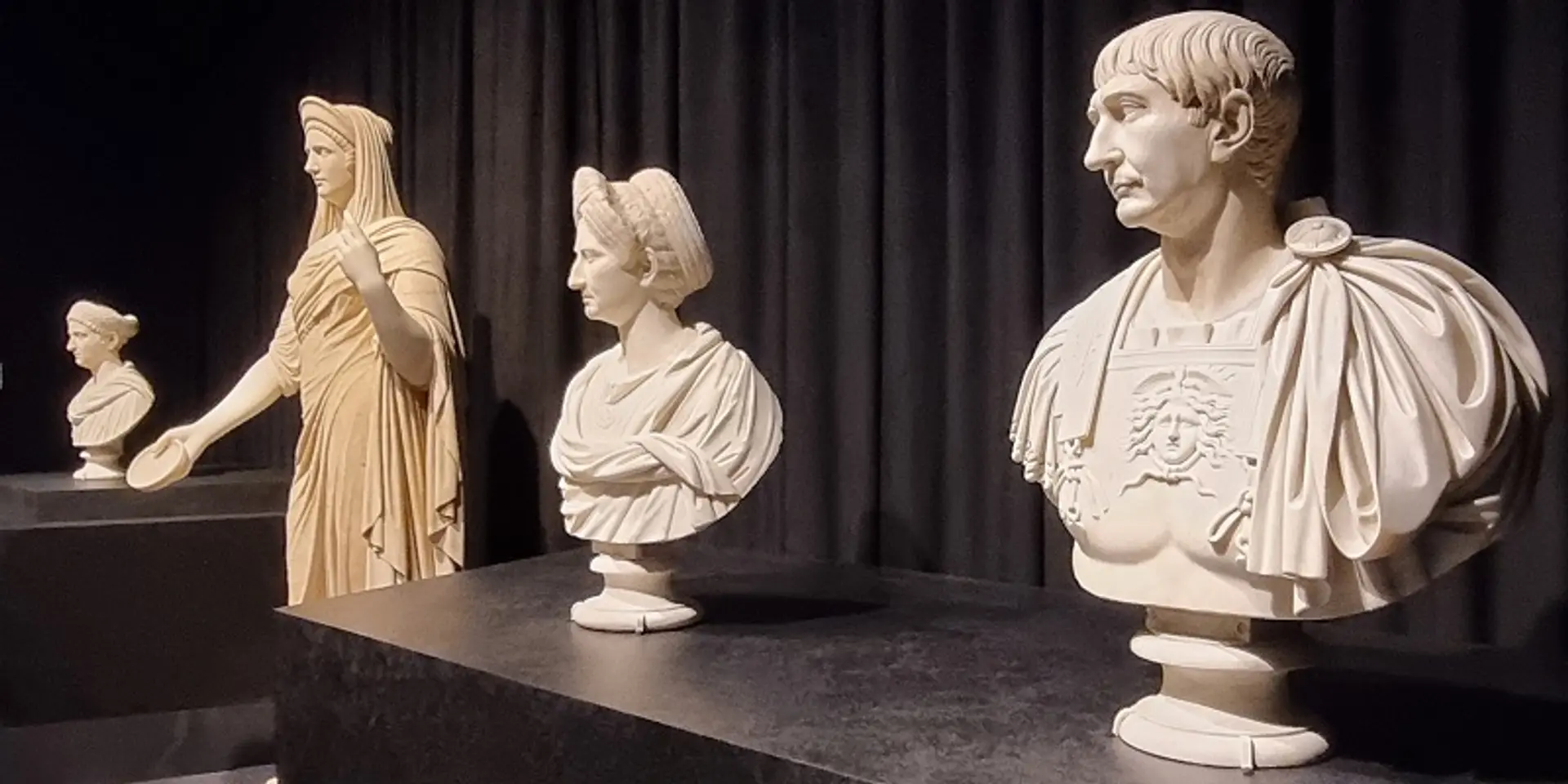
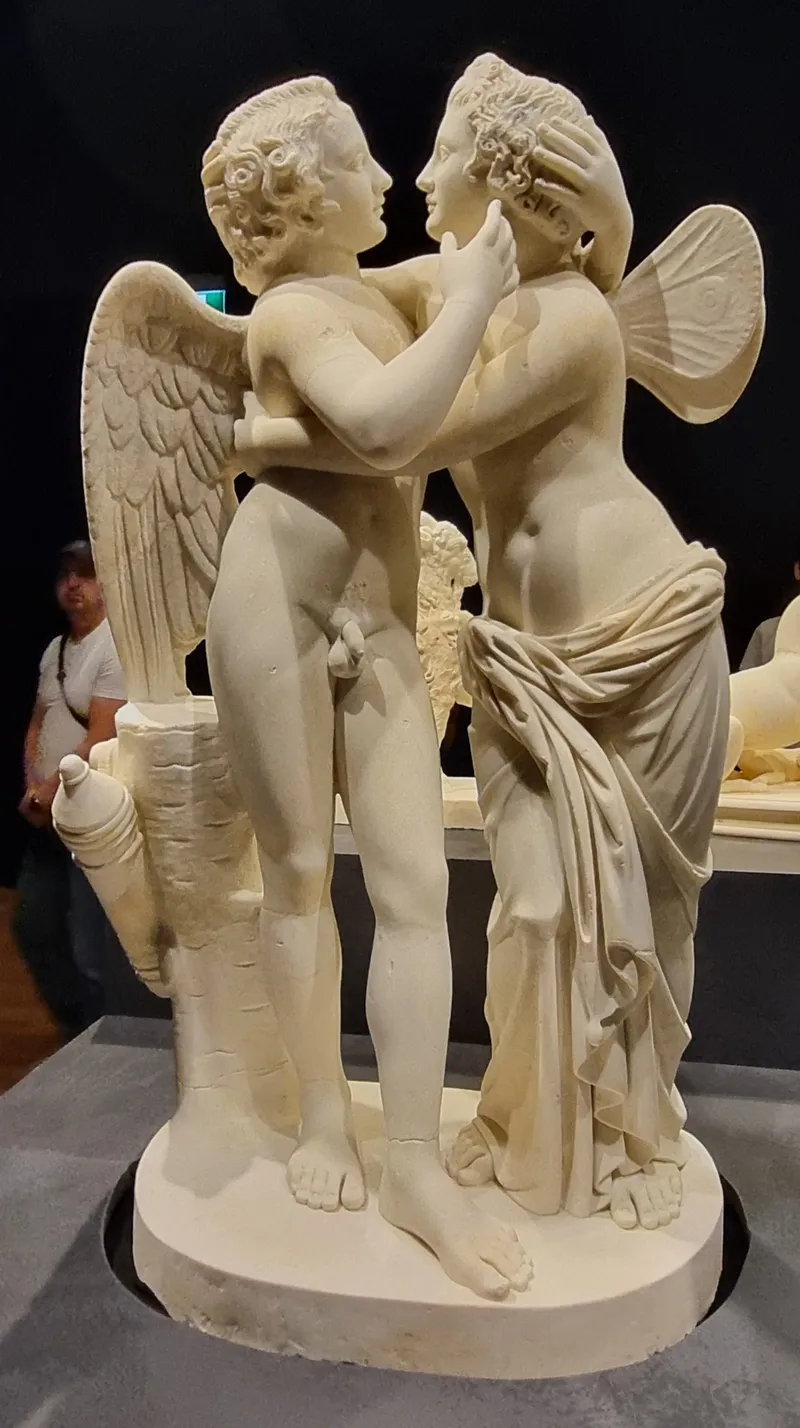
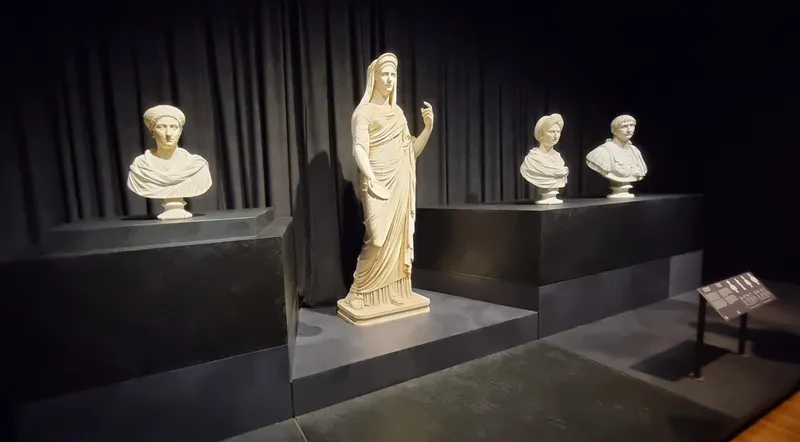
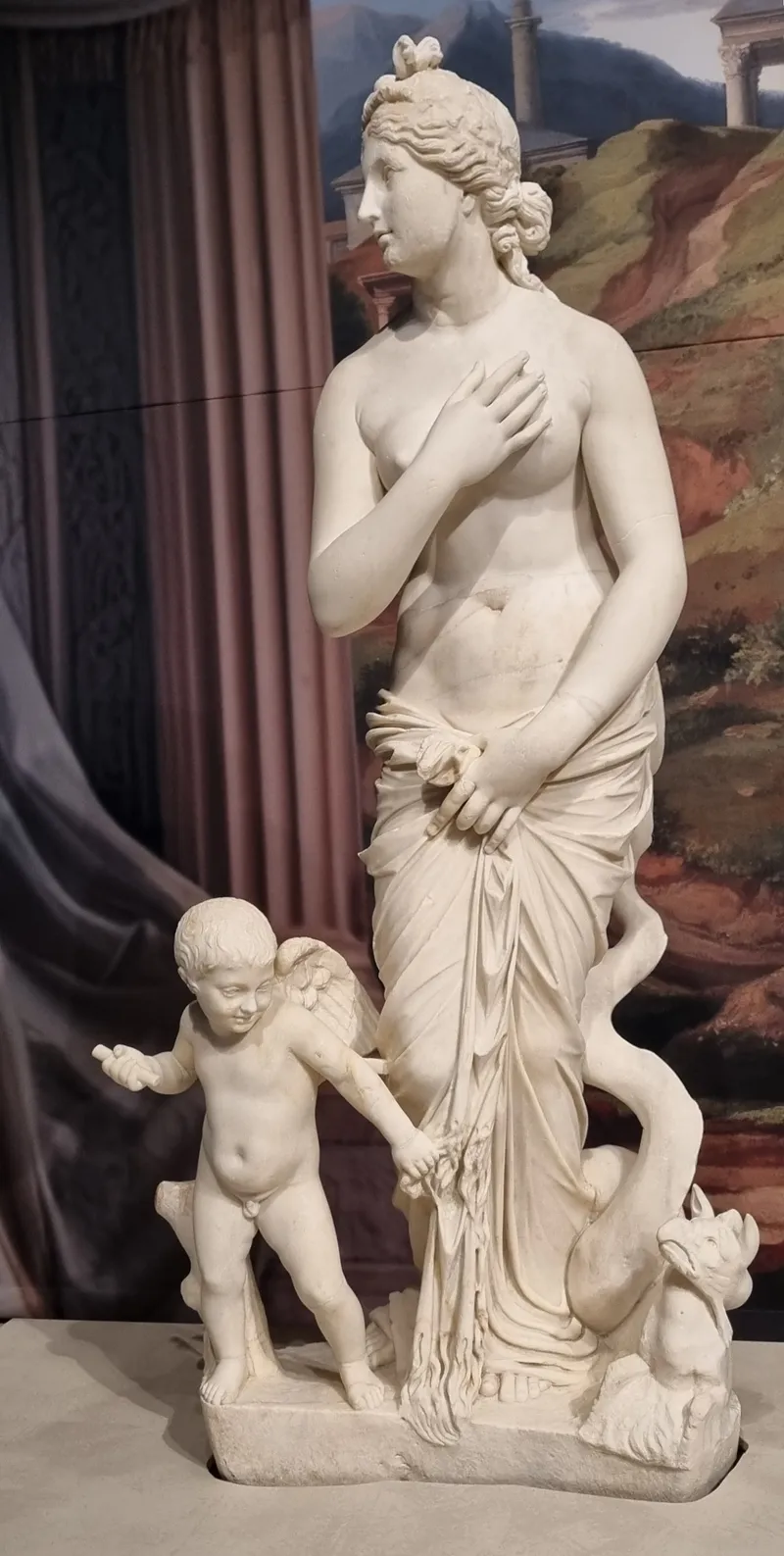
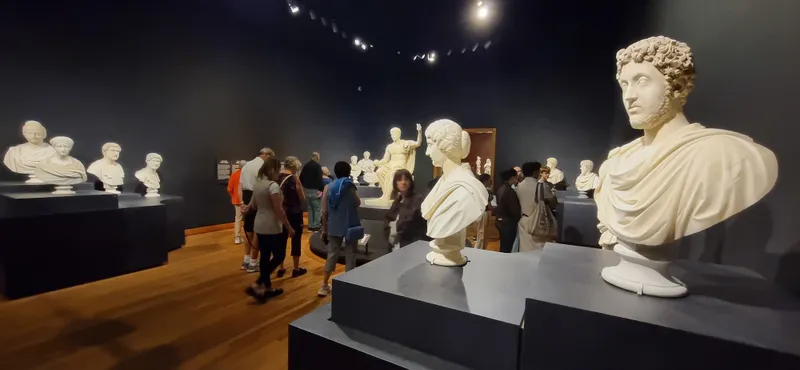
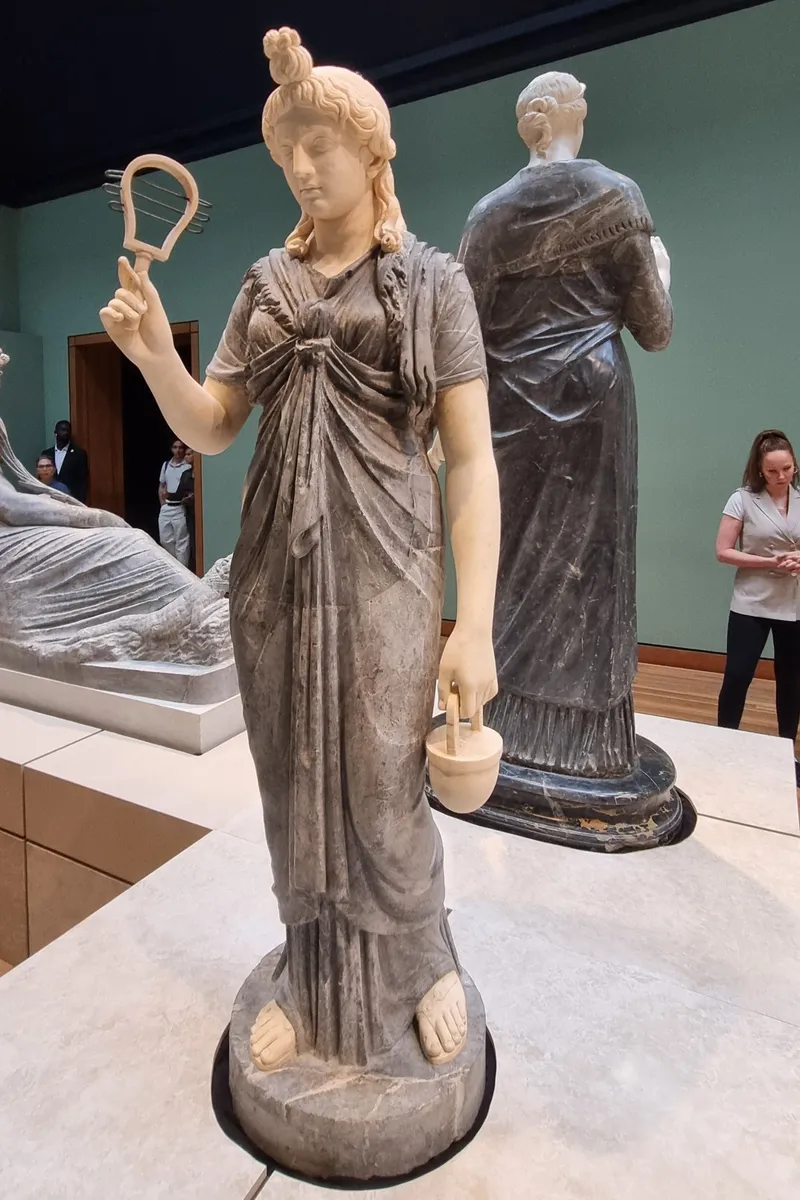
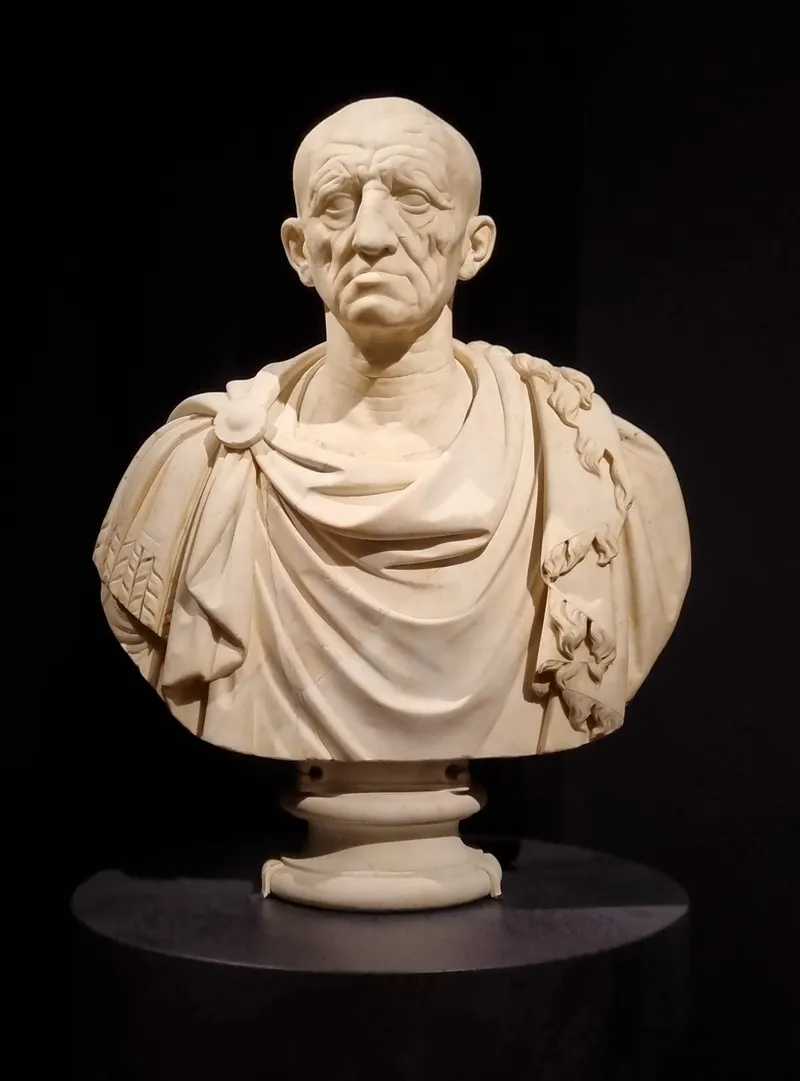
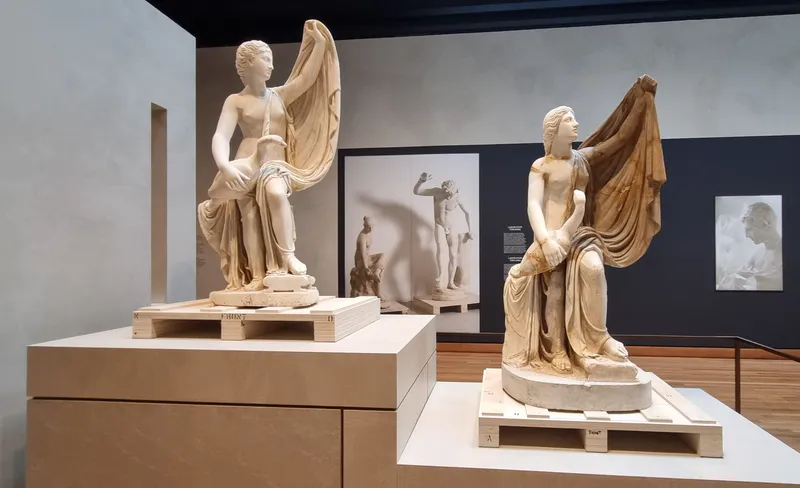
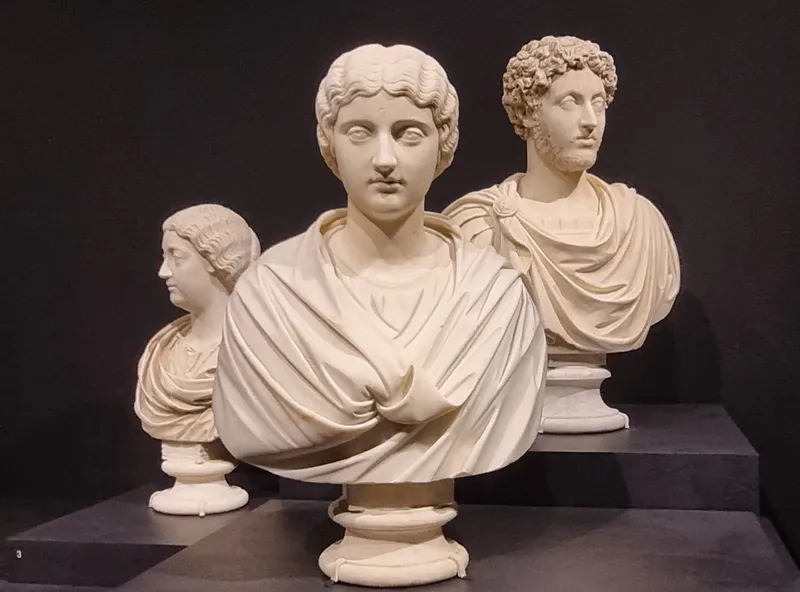
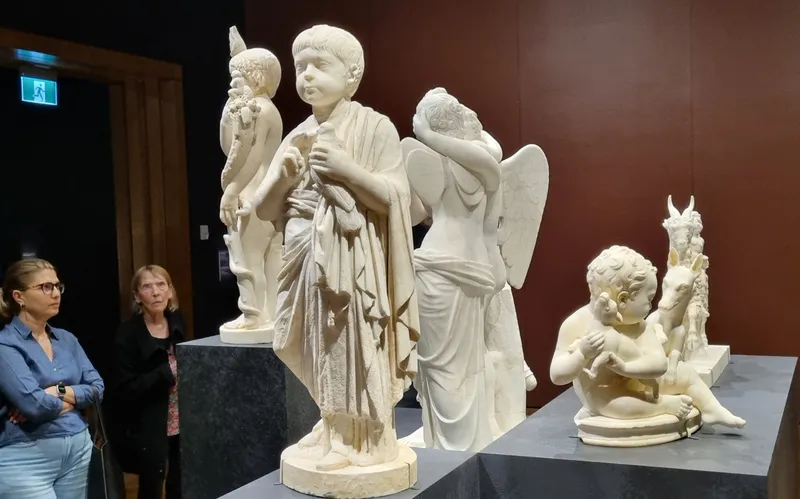
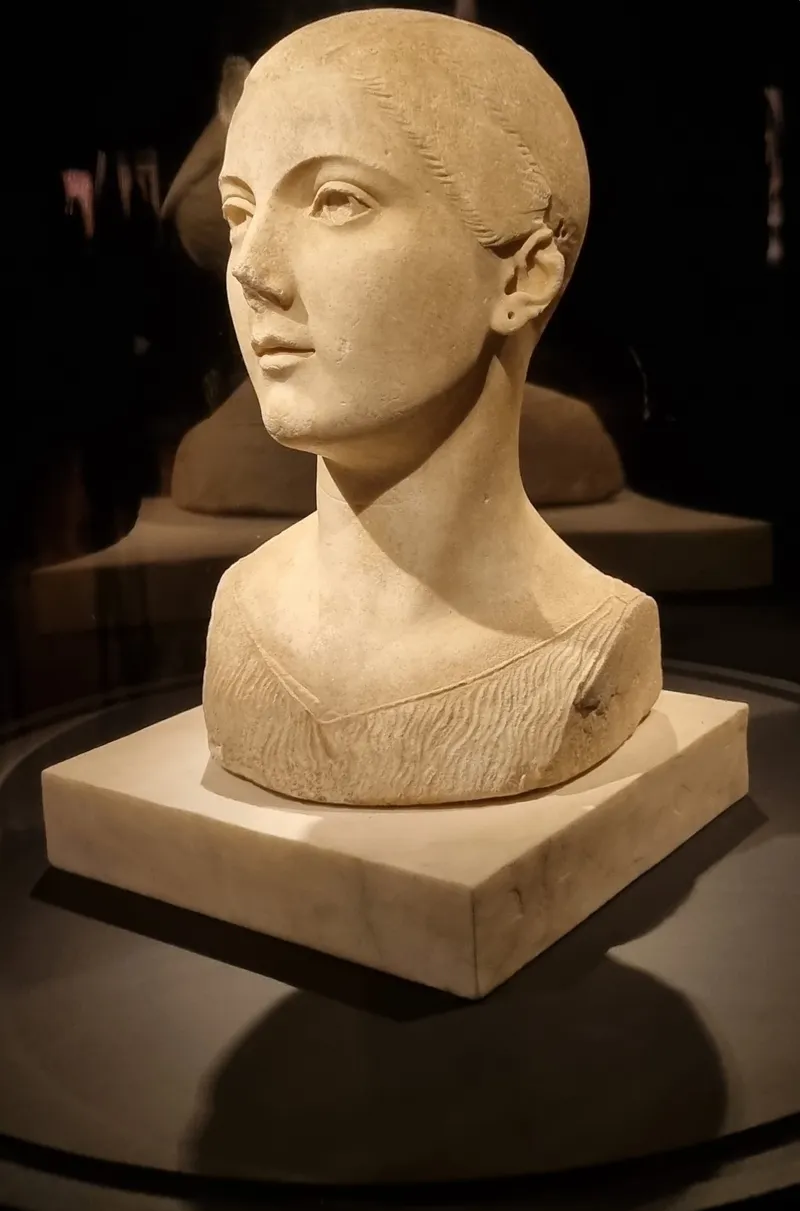
As shown in this photo essay, the lifelike marble sculptures include mythological creatures, portraits of gods and goddesses, emperors, and their wives. These masterpieces are being shown in Canada for the first time.
The Torlonia Collection is regarded as one of the most important ensembles of ancient Roman sculptures. It was built via collections from excavations on former imperial estates and through a series of acquisitions of other holdings.
The overall collection comprises more than 600 marble works that have been restored. They have received wide acclaim in Europe and North America. Exhibition designers include Stéphane Roy and Carolina Bassani.

Art director Stéphane Roy is also behind 12 creations for the legendary Cirque du Soleil, and musical theatre productions in Europe such as Bernadette. The exhibition is sponsored by Hydro-Québec. The sculptures have been restored by Fondazione Torlonia with the contribution of the Fondazione Bvlgari.
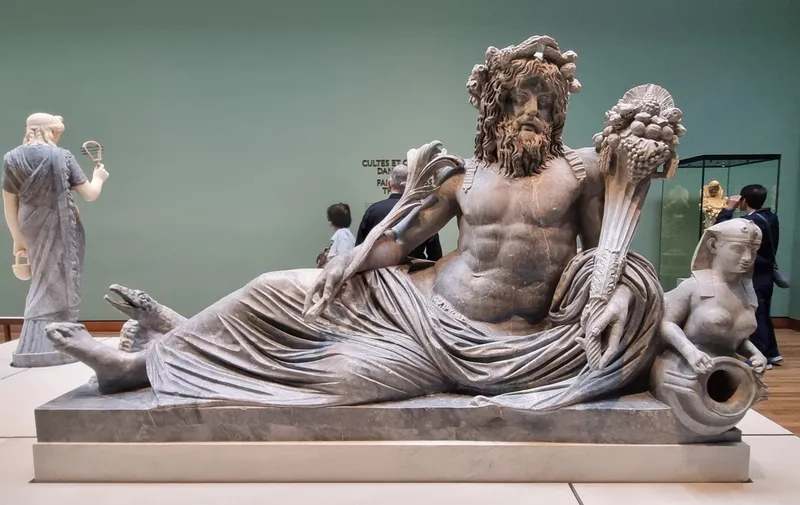
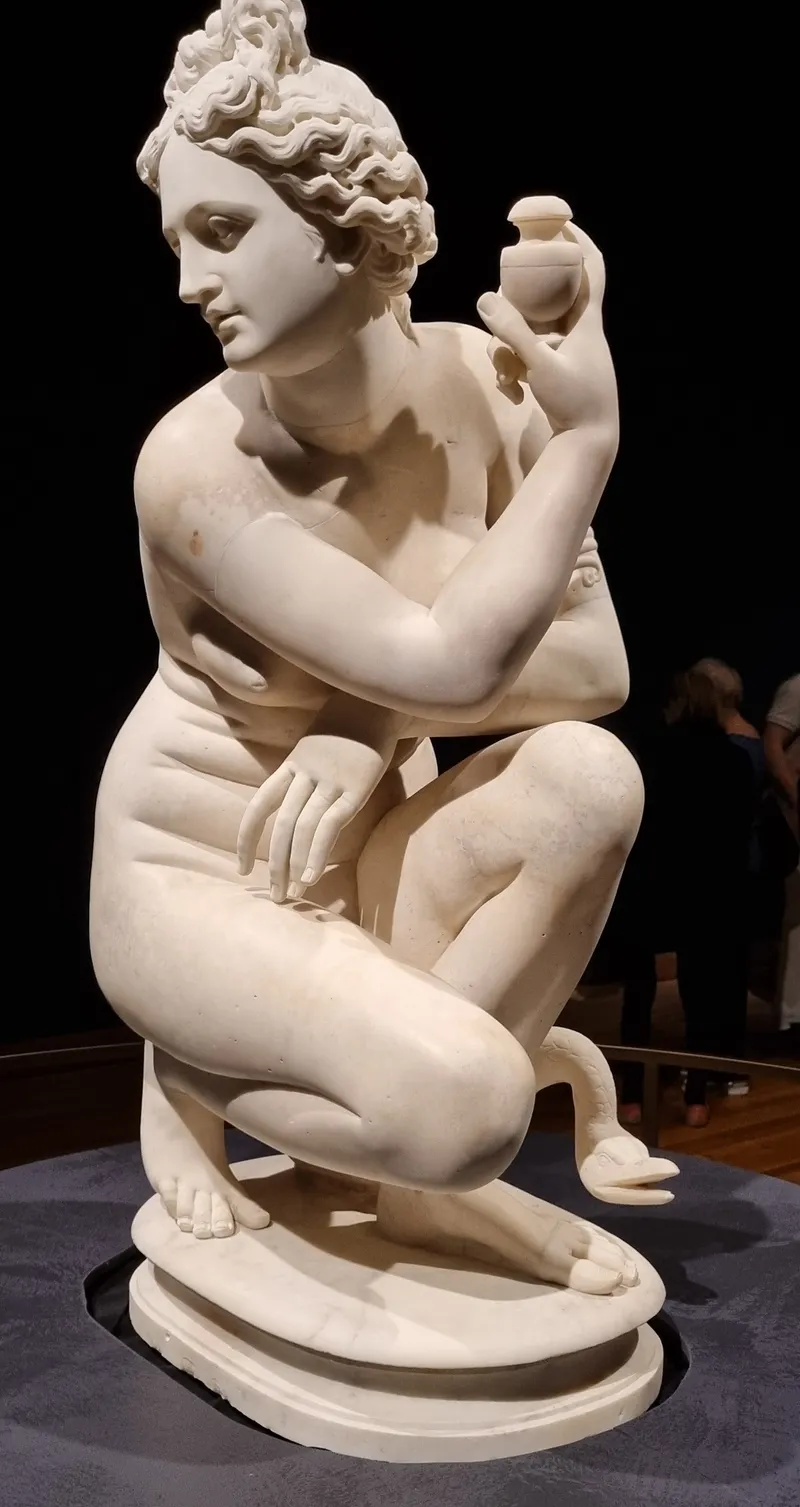
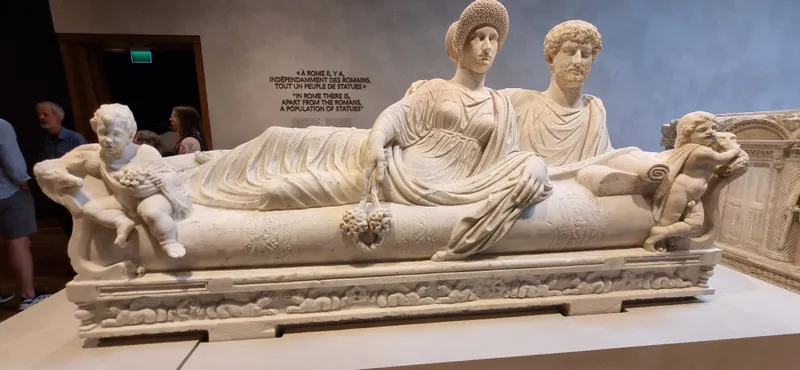
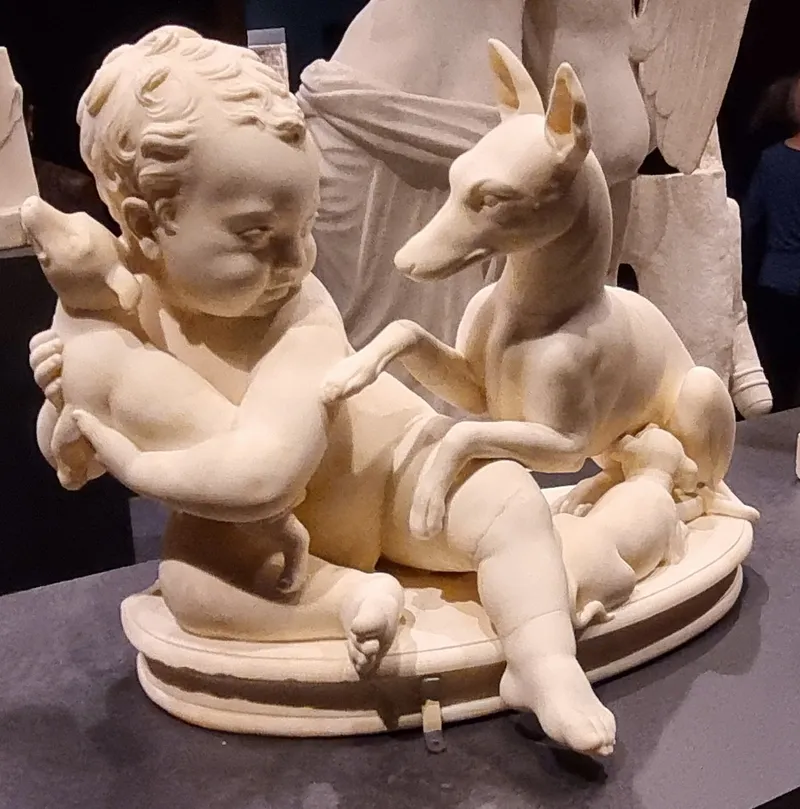
The majority of the statures date from the Antonine Period (1st–2nd centuries CE), widely regarded as the zenith of the Roman Empire. They include statues of Aphrodite, Cupid, Psyche and a resting goat; portraits of Hadrian and the Old Man of Otricoli; Lid with Reclining Couple; Torlonia Nile; and Maiden of Vulci.
“This exceptional group of ancient sculptures is a testament to the enduring cultural legacy of ancient Rome,” explains Alessandro Poma Murialdo, President of Fondazione Torlonia.
An illustrated catalogue about the exhibition has also been published by MMFA. The editors are Mary-Dailey Desmarais, Chief Curator of MMFA, and Laura Vigo, Curator of Asian Arts and Archaeology.
The statues show how Romans commemorated their dead through monuments of many shapes and sizes. Some of the tombs were even outfitted with dining couches so that the living could dine with or in honour of the deceased.
Sculptures appeared throughout the Roman empire, and scholars reportedly have described statues as Rome’s “other” population. Sculpture was also used to communicate subtle messages of power, authority and identity across the culturally diverse and geographically vast empire.
“This exhibition reflects not only the history of the artworks themselves, but also the legacies of their many owners: the centuries-old Roman aristocracy, acclaimed restorers, and visionary collectors,” adds Carlotta Loverini Botta, Director of Fondazione Torlonia.

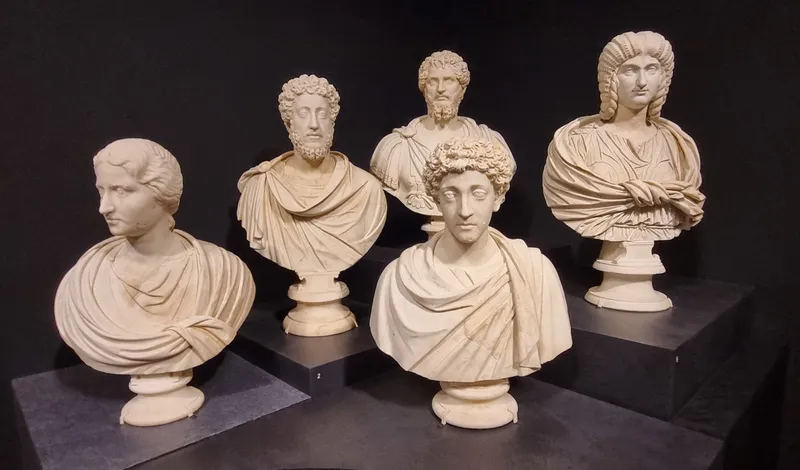
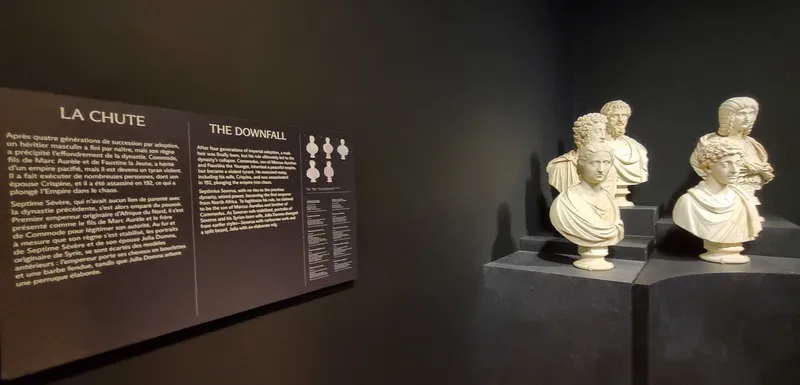
Images of emperors and their families deployed similar hairstyles and facial features to promote a sense of dynastic continuity and familial connection. Portraits of emperors were designed to be instantly recognisable to viewers.
Roman artworks reveal a diversity of spiritual traditions from across its empire. Divine children, particularly Cupids, are often shown engaging in playful mischief. For example, they are seen squeezing dogs or creating commotion.
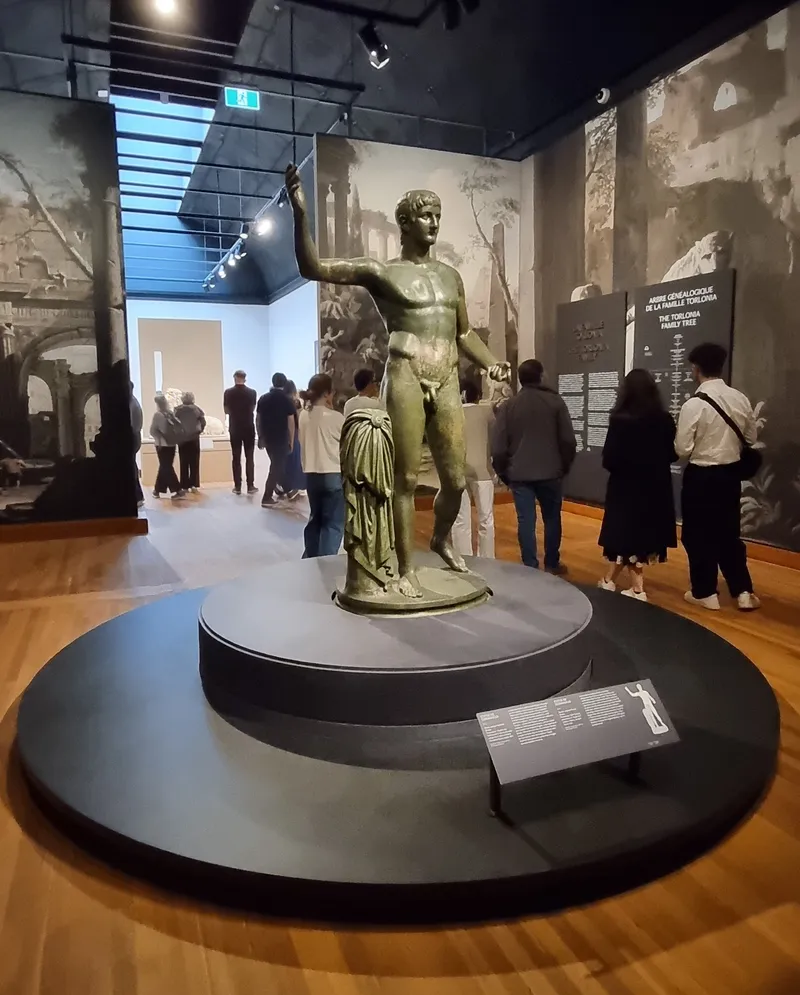
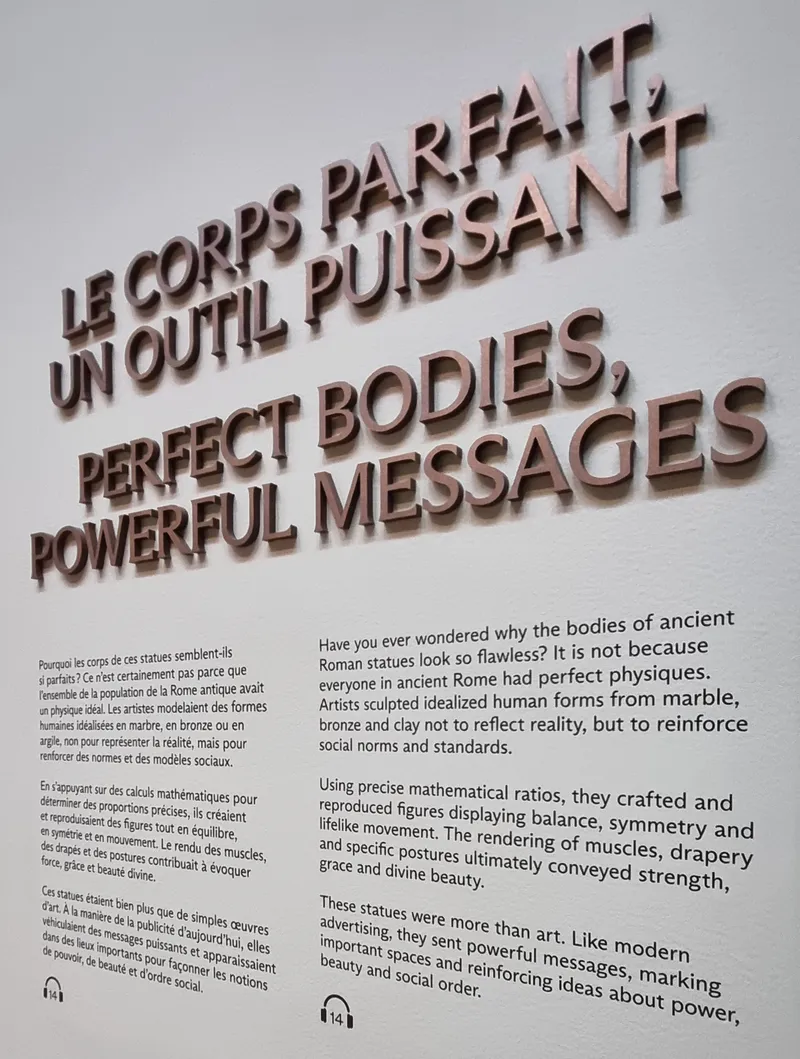
Artists sculpted idealised human forms from marble, bronze and clay. They were designed not to reflect reality, but to reinforce social norms and standards about balance, symmetry and lifelike movement. Rendering and postures were intended to convey strength, grace and divine beauty.
The exhibition is a showcase of the extraordinary talent of the ancient sculptors who could make marble appear soft like skin, heavy like fabric, or expressive like a human face. They combine movement, emotion, anatomy, and storytelling at an extraordinary level.
The collection reminds us that creativity does not disappear with time. A person who lived nearly two thousand years ago still communicates directly with us through a piece of carved stone.
Seeing the actual exhibition reveals a wealth of insights about the scale and physical presence of marble, traces of the artist’s hand, subtle differences in texture and surface, and the way light changes the expression of a face.
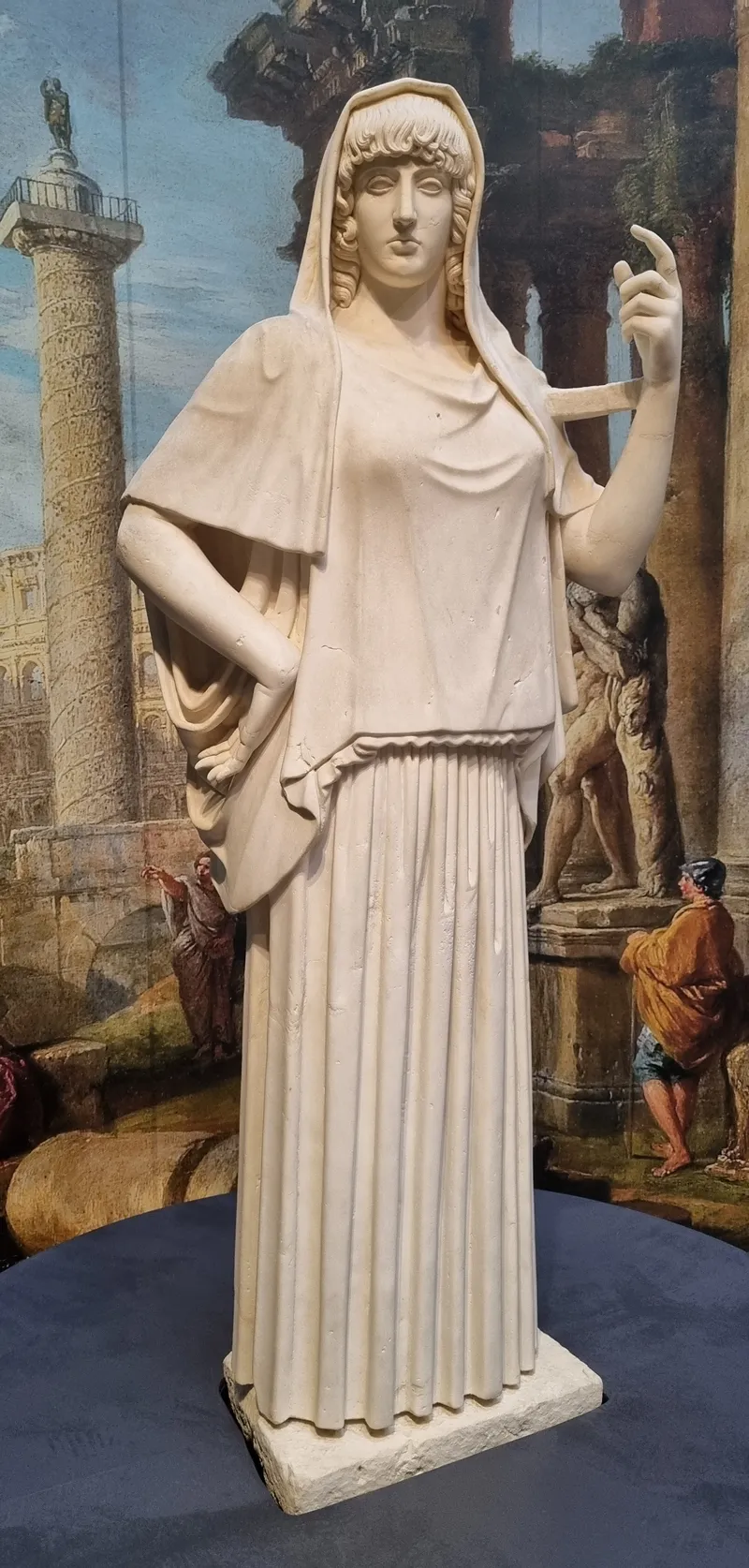
“The Torlonia Collection offers a rare opportunity to experience the sensory power these ancient marble sculptures still radiate today,” says Laura Vigo, MMFA Curator of Asian Arts and Archeology, who is also responsible for the exhibition’s Montreal presentation.
The sculptures are reminders that ancient art was not frozen in perfection. Many works carry histories of discovery, restoration, reuse, and changing interpretations. They show us that every generation has a conversation with the past.
The Torlonia Collection is inspiring because it reveals something universal: human beings have always wanted to remember, celebrate, question, and understand themselves. The Romans looked at sculpture to explore ideas about beauty, power, mortality, mythology, and identity – we still do the same today.
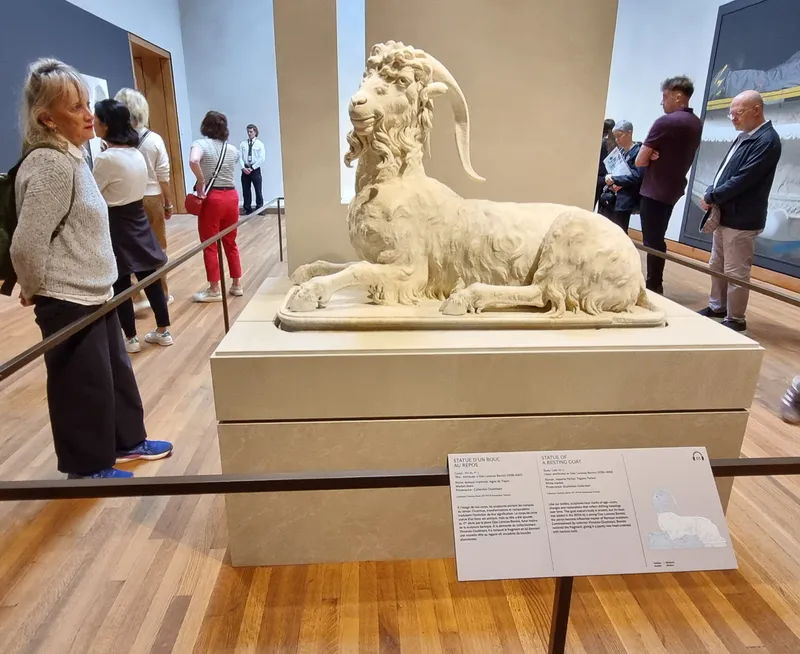
To see these masterpieces is to experience a rare connection. It represents a direct encounter between our world and the minds, hands and imaginations of people who lived thousands of years ago.
The Torlonia Collection matters because it proves that great art does not belong only to the past. Art continues to speak to us if we keep our minds open.
“The exhibition is an invitation to an aesthetic and archaeological discovery of 57 ancient wonders. These works of art reveal a vibrant spiritual world, a world in which many different traditions coexisted, evolved and inspired astonishingly varied representations of the intangible,” MMFA director Stephane Aquin signs off.
Now what have you done today to pause in your busy schedule and harness your creative side for a better world?
(All photographs taken by Madanmohan Rao on location at MMFA.)